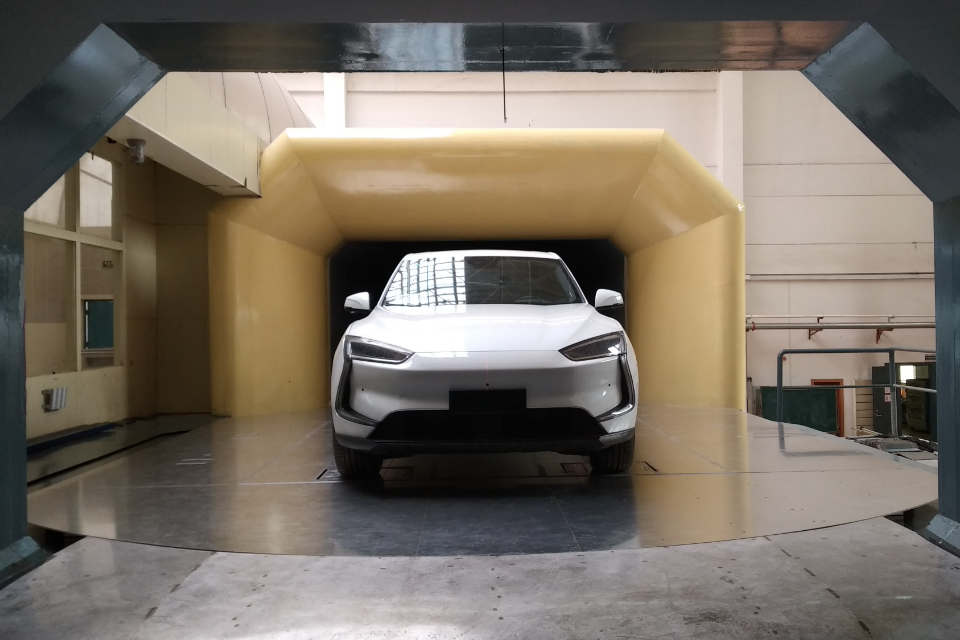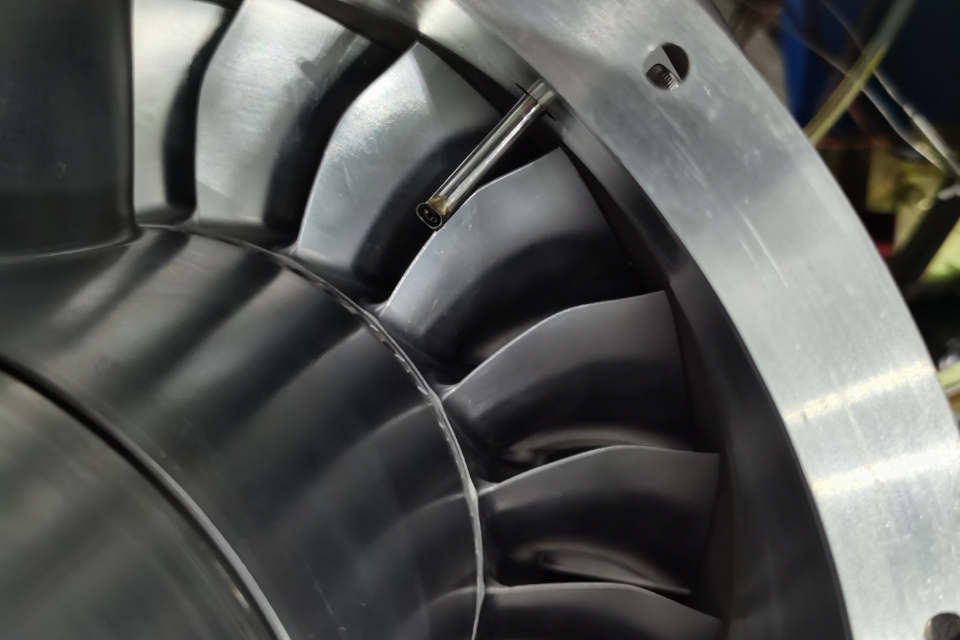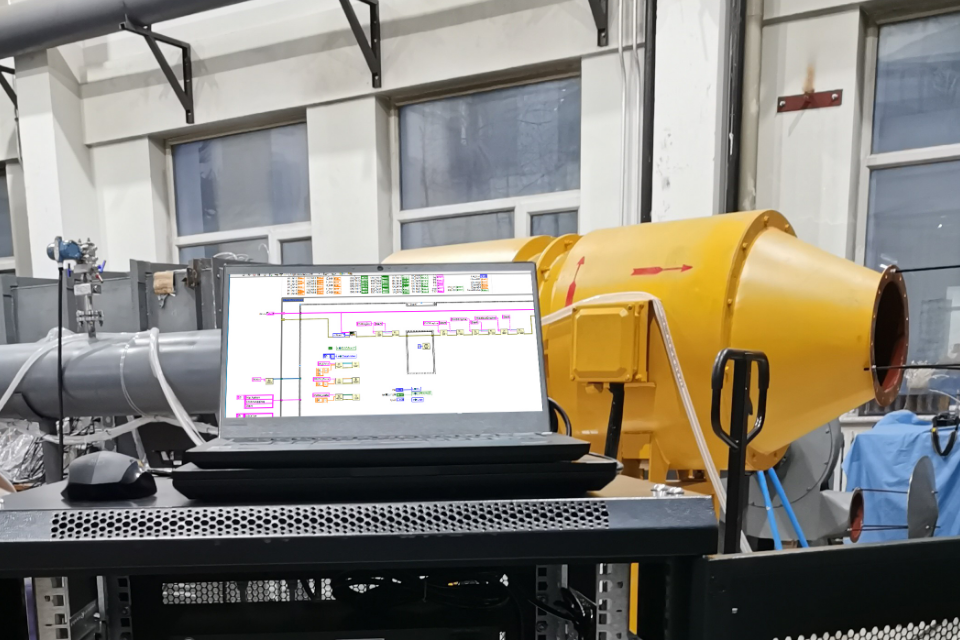

Windtuner builds pneumatic probes for every type of flow field test, from single-hole units to fourteen-hole arrays. Each probe has a specific job. The single-hole unit measures total pressure or static pressure in straightforward pipe flow or engine inlet surveys. The three-hole probe handles two-dimensional flow, reading incoming flow angle and velocity within a thirty-degree cone. Engineers use it in cascade blade passages where the flow stays largely planar. The five-hole probe handles the bulk of three-dimensional aerodynamic work, measuring pitch, yaw, and Mach number across a broad angle range. Aerospace and automotive wind tunnels depend on this geometry for wake surveys, wing section mapping, and diffuser characterization. When the flow angle varies more aggressively, the seven-hole probe and the fourteen-hole probe fill the gap. The fourteen-hole design extends angle coverage to one hundred sixty degrees and runs across Mach numbers from zero to 0.95. It works in subsonic and transonic applications where directional sensitivity is critical. Teams working on engine inlet distortion or compressor inter-stage flow often pick the fourteen-hole probe because it catches reversed or highly off-axis flow that a five-hole unit would miss.
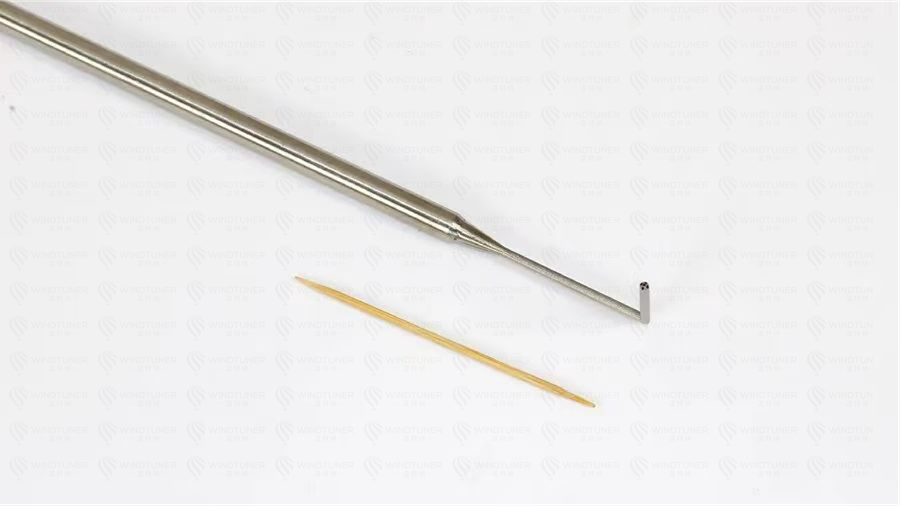
Material and manufacturing quality determine whether a probe survives the test or fails in the tunnel. Windtuner builds every probe from stainless steel, high-temperature alloys, titanium, or nickel-iron and cobalt alloys, based on the thermal and mechanical loads of the test environment. The real difference is the micron-level 3D metal printing that Windtuner uses for multi-hole probes. This process beats traditional machining on several counts. The angular calibration curves stay more consistent across identical units, which is important when a research team needs multiple probes for a large-array measurement. The probe holds up to roughly nine hundred Newtons of deformation force before yielding, compared to three hundred forty Newtons for a machined equivalent. Geometric transitions can be optimized to reduce stress concentration, and micro-hole positions stay accurate to the design specification. Surface roughness is also controllable, so the aerodynamic performance stays predictable. Better manufacturing means better data in the tunnel.
Calibration is not optional at Windtuner. The company operates the first private calibration wind tunnel laboratory accredited by CNAS in China, under an ISO/IEC 17025 quality management system. Every probe goes through individual calibration in supersonic, subsonic, and low-speed wind tunnels. The calibration team holds China Metrology Association certificates, Certified Metrologist credentials, and Senior Engineer qualifications. Validated calibration data ships with the hardware, and certificates can be provided upon request. This calibration infrastructure ensures that the probe performs to specification before it ever touches a client test article.
Selecting a probe should not feel like guesswork. Windtuner works with clients from the initial requirement clarification through design confirmation, manufacturing, and final calibration. Over ten thousand designs and more than one hundred thousand calibration data records sit in the company archive. Whether the test involves a standard five-hole probe for automotive wake surveys or a custom fourteen-hole array for transonic compressor research, the same process applies: specify the flow parameters, match the geometry, print the probe, calibrate it, and deliver hardware that is ready to install. That is how Windtuner turns measurement uncertainty into data the team can trust.