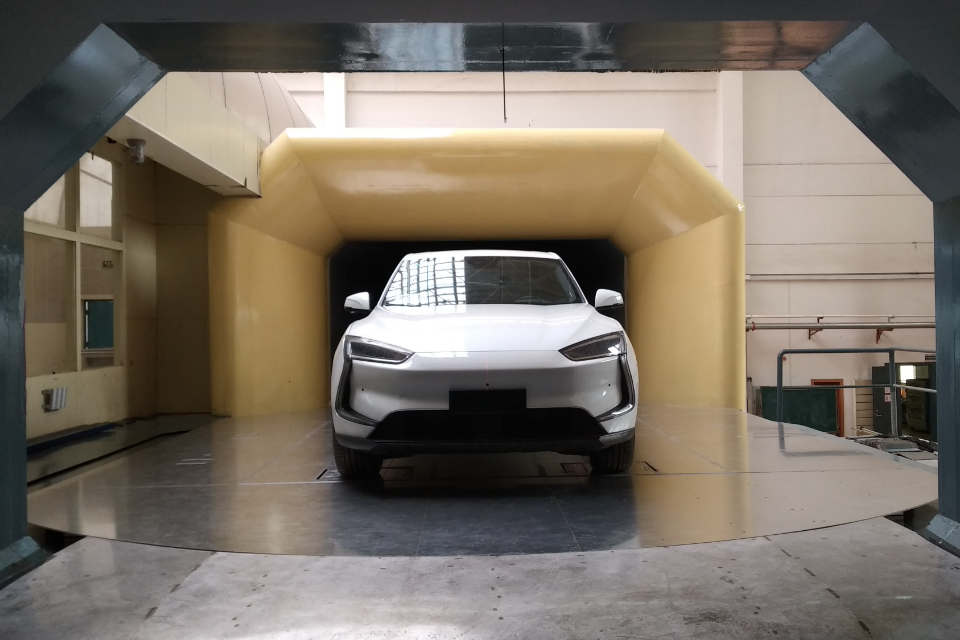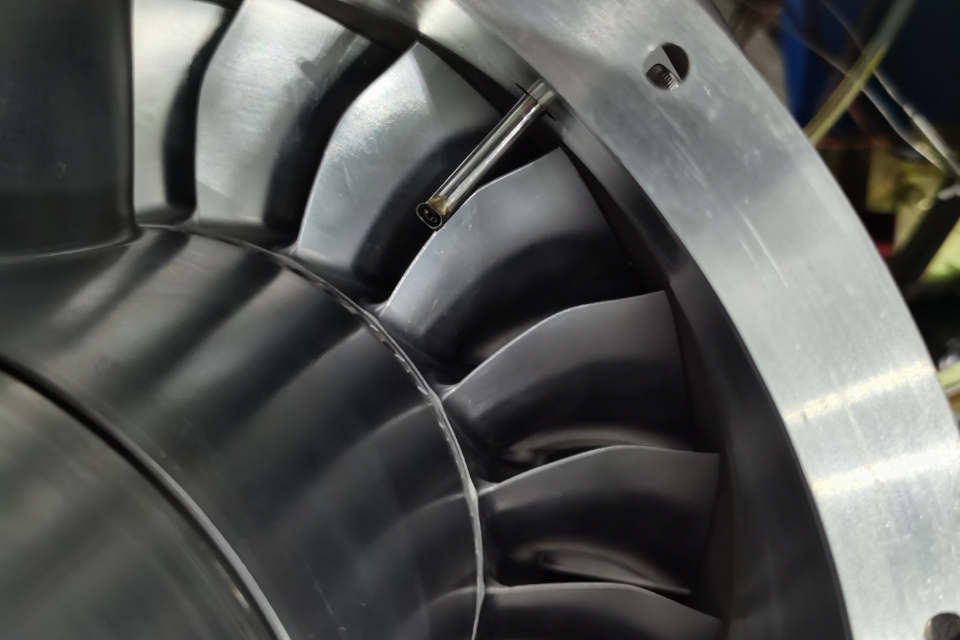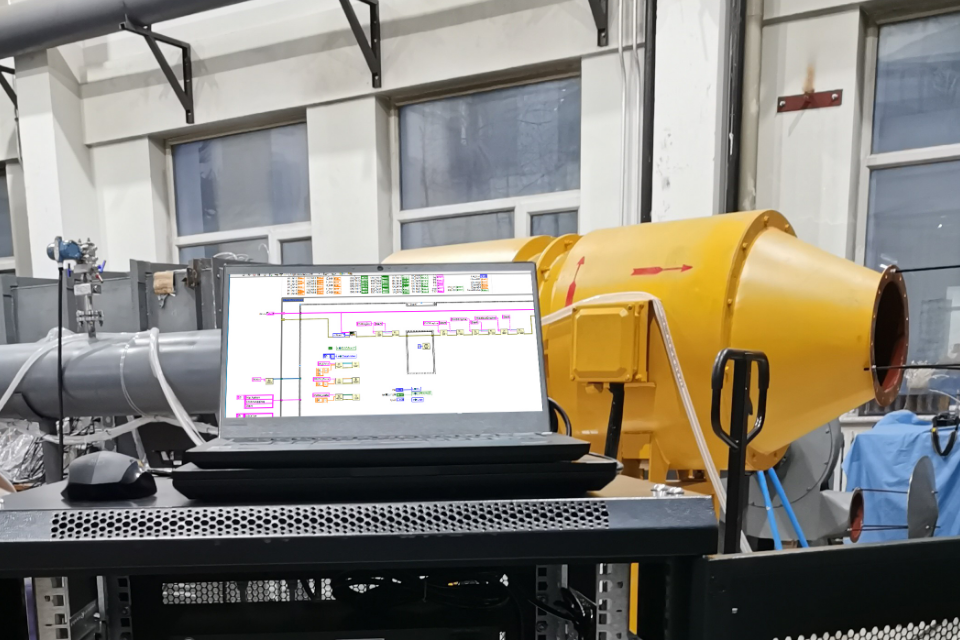

The core specification is accuracy of ±0.05% FS. That figure matters only if the device maintains it across the full temperature range of the test. Windtuner pressure scanners hold a total temperature error of ±0.001%FS per degree Celsius. In practical terms, a temperature swing of twenty degrees introduces no more than 0.02% FS error. For a 100 kPa full-scale measurement, that is 0.02 kPa, a level of change that most test engineers would accept as measurement noise rather than systematic drift. Engineers running long-duration turbomachinery tests or multi-run wind tunnel campaigns need that level of stability because they cannot stop between runs to re-zero the system. Every minute spent recalibrating is a minute lost in the tunnel schedule.
Windtuner offers two temperature range options. The standard configuration operates from 0 to 60 degrees Celsius, covering most indoor laboratory and test cell environments. For clients working in unheated facilities, high-altitude simulation chambers, or outdoor test stands in cold climates, the optional range extends from -30 to 60 degrees Celsius. This flexibility means the same hardware moves from a climate-controlled lab to a cold-weather test site without recalibration or hardware swap. The scanner also carries an A/D resolution of 24-bit, capturing small pressure changes that lower-resolution devices would round off or miss entirely. In a cascade wake survey where the static pressure variation across a blade row might measure only a few hundred pascals, that resolution preserves the detail the aerodynamicist needs.
Calibration supports the hardware. Every scanner undergoes internal zero calibration, full-scale calibration, and multi-point calibration before it leaves the factory. Windtuner operates the first private calibration wind tunnel laboratory accredited by CNAS in China, under an ISO/IEC 17025 quality management system. The calibration team holds China Metrology Association certificates, Certified Metrologist credentials, and Senior Engineer qualifications. Prototypes run through 10000+ hours of durability testing before mass production. That process validates not just the pressure accuracy but also the temperature stability across the full operating envelope. Clients receive validated calibration data with the hardware, and certificates can be provided upon request.
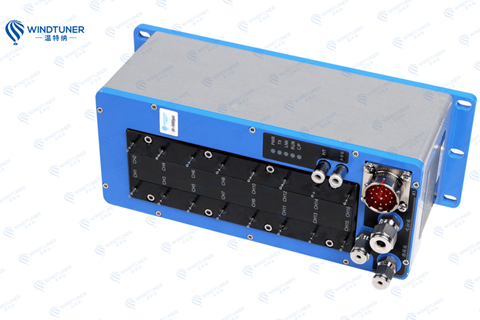
Clients who need pressure data they can trust in variable thermal environments should look at the complete picture. The scanner connects via Ethernet using TCP/IP or UDP protocols, samples at 0 to 500 Hz with user-defined adjustment, and supports software, hardware, and timed trigger modes. Each unit provides 16 channels, and multiple units can network together to form a distributed acquisition system. It integrates with Windtuner probes and the WindLabX measurement and control software to form a complete data acquisition chain. Thermal stability is not an isolated feature. It is part of a system built to deliver accurate data under real test conditions.