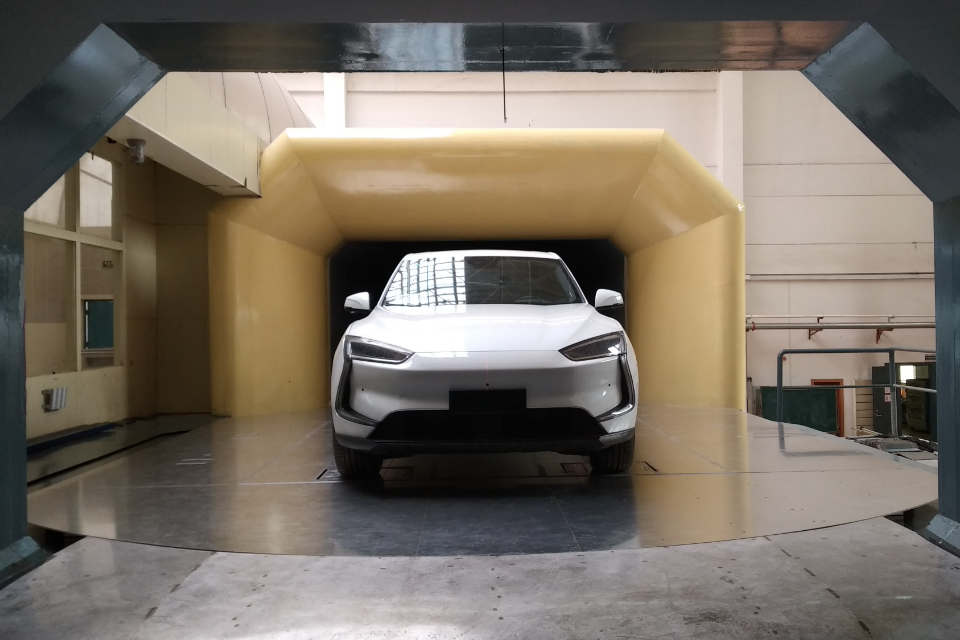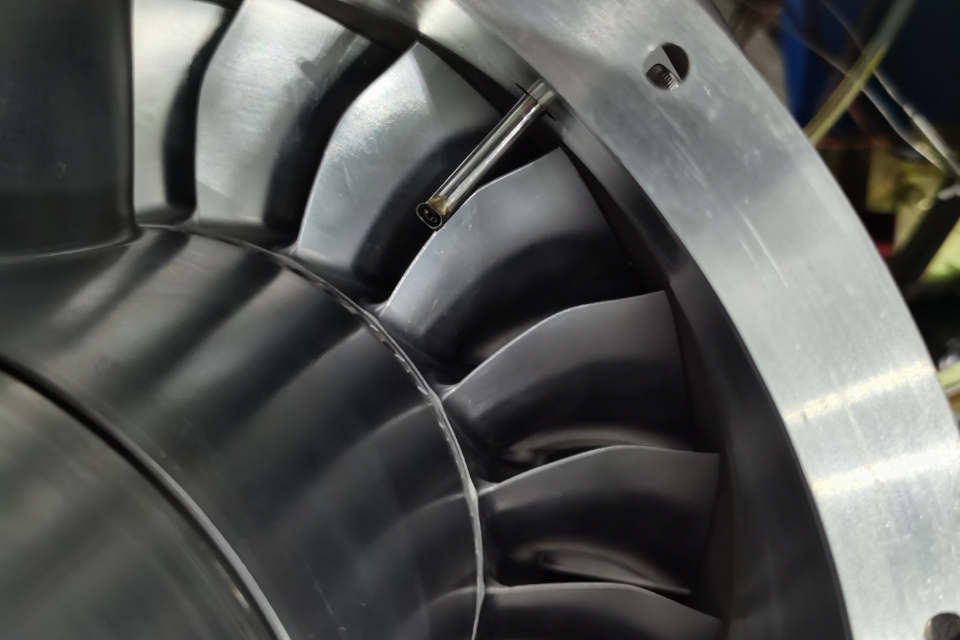
Most flow measurement projects arrive with a set of constraints that off-the-shelf probes cannot satisfy. The probe head needs to fit through a 4mm access port. The operating temperature reaches 500 degrees. The blockage ratio has to stay below 1.5% or the flow field distorts. Windtuner handles these cases by designing and manufacturing each probe to the client specification, using micron-level additive manufacturing and a calibration process that traces back to CNAS-accredited standards.
Specification-Driven Design
Windtuner reviews each request against the full design checklist: probe head geometry, port count, aperture diameter, rod length, mounting interface, material, and structural strength. Blockage ratio calculations happen early in the process so the client knows before cutting metal whether the probe will disturb the flow. A five-hole probe for a cascade wind tunnel does not look like a seven-hole probe for an axial compressor exit. Add Mach 0.8 into the mix and the aerodynamic profile changes again. Windtuner works with German engineering partners on the head shape and then prints the hardware using micron-level 3D metal printing, producing internal pressure channels with tolerances conventional machining cannot hit at this scale.
The payoff is a probe built for the test, not the other way around. Catalog parts force engineers to redesign their experiments around what happens to be available. A Windtuner custom probe fits the access port, survives the temperature, and keeps blockage within limits. That matters in real testing environments where a few millimeters of probe diameter can be the difference between usable data and a distorted flow field. Windtuner has shipped custom probes to aerospace engine facilities, turbomachinery test benches, and wind tunnel labs across China and overseas, each one tailored to the Mach range, pressure range, and physical envelope of that specific campaign.
Calibration in a CNAS-Accredited Wind Tunnel
Design precision only matters if the calibration data backs it up. Windtuner runs the first privately owned calibration wind tunnel in China with CNAS accreditation, covering both subsonic and supersonic speeds. Every custom probe goes through a full angle-of-attack and yaw sweep before it ships. The output is a non-dimensional coefficient map that converts raw pressures into velocity, flow direction, and static pressure.
Windtuner also recalibrates probes from other manufacturers. If a facility has legacy hardware that needs fresh coefficient tables, or a probe that took a knock during a test and needs re-verification, Windtuner takes those jobs too. The team holds China Metrology Association certificates and Senior Engineer credentials, and every certificate includes the full uncertainty analysis that aerospace programs require.
From Single Probe to Full Measurement System
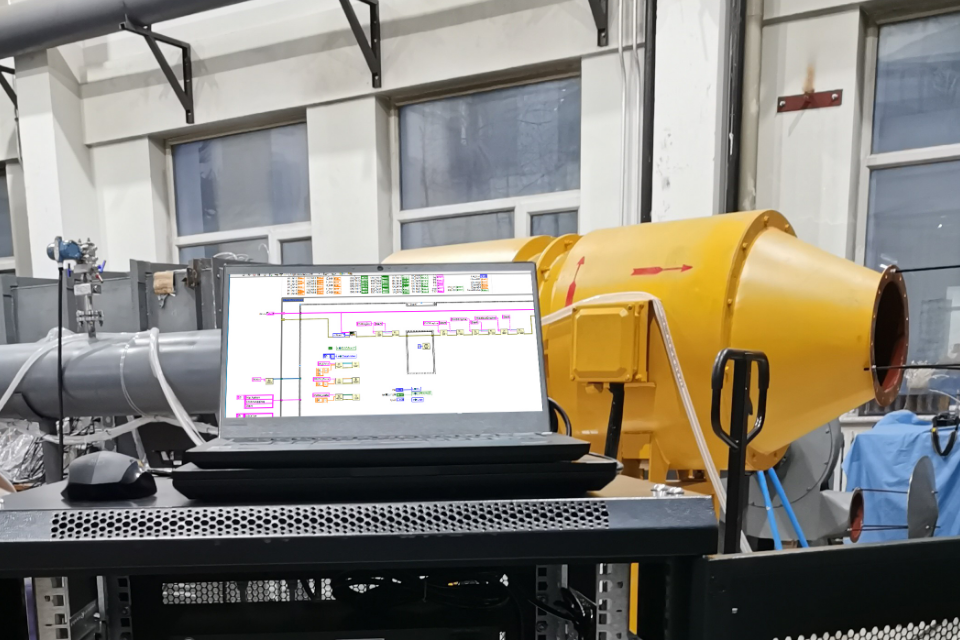
A probe by itself does not complete the picture. Windtuner supplies the rest of the chain: electric actuators that move the probe across three axes, WindLabX software for real-time visualization and control, and Windtuner ethernet pressure scanners that digitize the output and send it over one cable.
In a cascade wind tunnel setup, the custom probe, actuator, motion controller, and pressure scanner all run through one software interface. The probe steps through the measurement grid, the pressure scanner reads each point, and WindLabX builds a 3D flow field map on screen as the test runs. That integrated approach is what facilities get when they order a custom probe from Windtuner, and it is why those clients come back with new specs for the next campaign.
- Popular Tags:pneumatic probesEthernet Intelligent Pressure ScannersPressure ScannersDroneAirspeed ProbeProbe Customization3D Printing Pressure CalibrationEthernet Intelligent Pressure Scanners System: Importance of purge function to Ethernet IntelligentturbomachineryFlow Field MeasurementWindtuner Pressure Scanner Gas turbineEthernet Intelligent Pressure Scanners Application Industry Analysis Five-Hole ProbeLow-Air EconomyTurbo Expoaerodynamics ChristmasFive-Hole Probes
Custom Multi-Hole Probes: From Specification Sheet to Calibrated Hardware
23 Apr 2026