
The hardware in modern wind tunnel testing works together seamlessly. Windtuner manufactures both pressure scanners and pneumatic probes, giving engineers a matched set of instruments that share the same design philosophy and calibration standards. This integration eliminates the compatibility headaches that occur when mixing hardware from different vendors.
How Matching Hardware Helps Improve Total Performance
When sourcing a pressure scanner from one supplier and probes from another, many unpredictable compatibility issues occur, and tend to affect each other in furthermore unpredictable ways. Each manufacturer calibrates to different references. Temperature coefficients vary, leading to different responses. We then may end up with data that needs extensive post-processing to reconcile, causing a huge waste of time and human effort.
Our Pressure Scanners Suitable for Systematic Integration
Windtuner pressure scanners and pneumatic probes ship from our same facility in Dalian. Both product lines use consistent pressure references and undergo testing in our advanced calibration wind tunnel.
Probing Towards the Equation
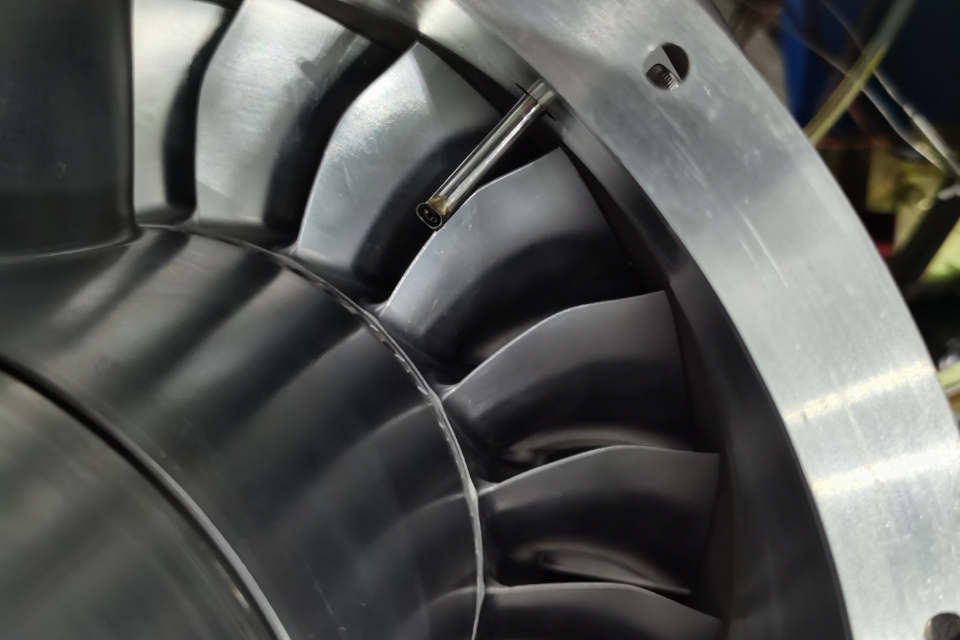
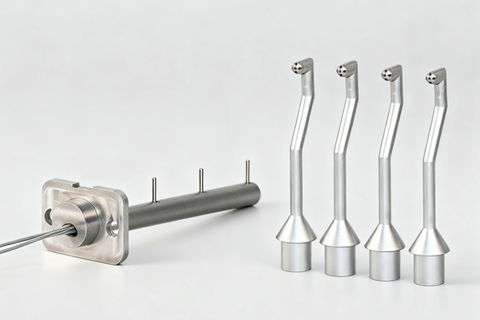
Windtuner manufactures multi-hole probes using micron-level 3D metal printing, a capability the company developed working alongside German engineering partners. Five-hole probes remain the workhorse for most aerodynamic testing, measuring flow angle, total pressure, and static pressure from a single insertion point. Seven-hole probes extend this capability to wider flow angle ranges, particularly useful in separated flow regions.
Pressure Probes Designed for Different Usages
Each probe receives individual calibration across the Mach number range relevant to its intended application. Subsonic probes typically calibrate from 0.1 to 0.8 Mach. Supersonic variants cover the 0.8 to 2.0 Mach range. Calibration data maps pressure differentials between probe ports to flow angles and velocities, producing coefficient sets that the pressure scanner applies in real time.
Custom geometries are routine. Rod length, head diameter, port sizing, and mounting hardware all adapt to specific test requirements. Blockage ratio calculations ensure the probe does not disturb the flow field it measures.
The Scanner Side of the Equation
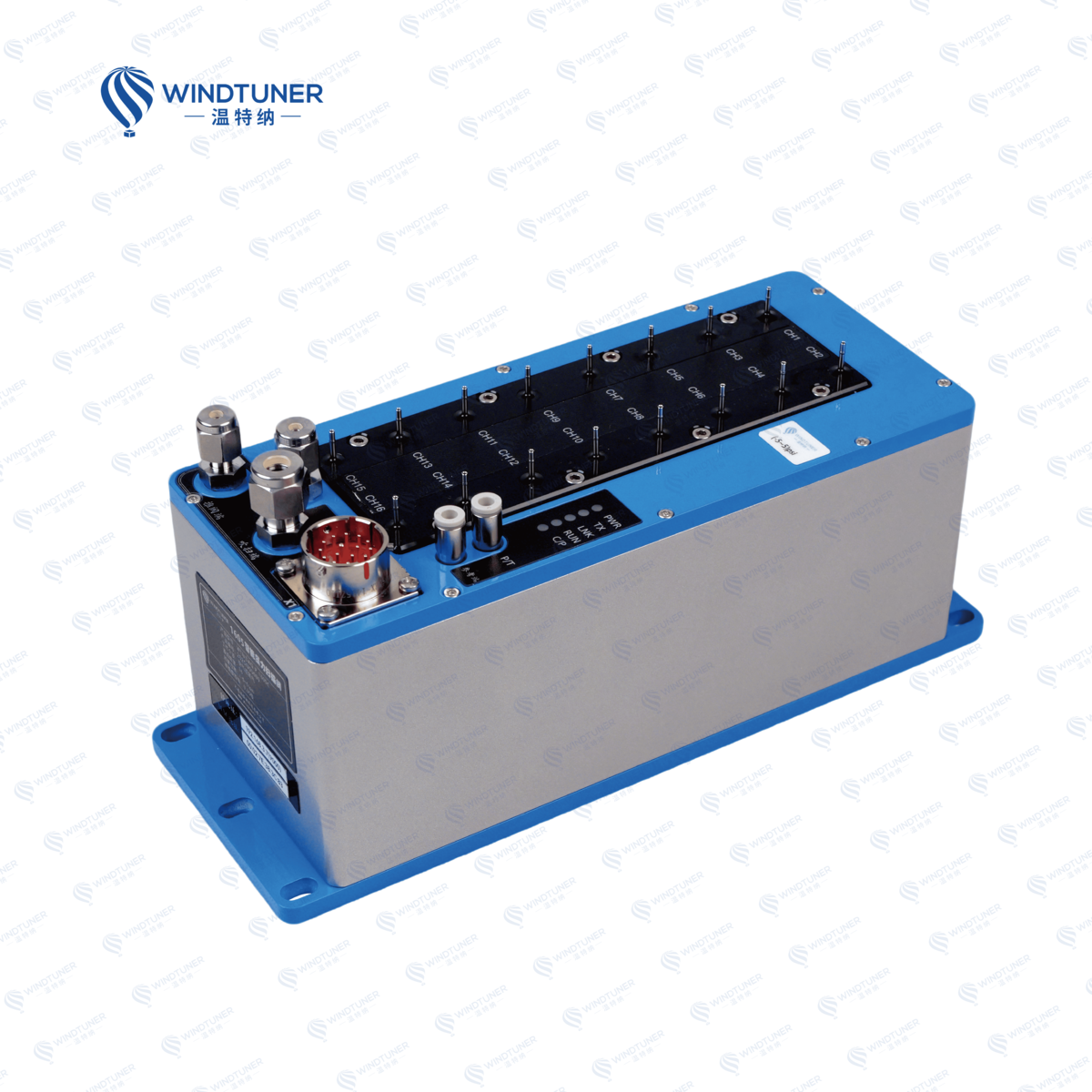
Windtuner Ethernet intelligent pressure scanners acquire data from 16, 32, or 64 channels simultaneously. The 24-bit ADC resolution captures pressure differentials across the probe ports with sufficient fidelity to resolve the calibration coefficients accurately. ±0.05% FS accuracy means the scanner does not introduce meaningful error into the measurement chain.
IEEE 1588V2 time synchronization keeps channel-to-channel timing aligned within microseconds. This matters when scanning a probe rake with multiple insertion points across a test section. Without tight synchronization, the pressure data from each probe arrives with relative time skew, distorting spatial correlations in the flow field.
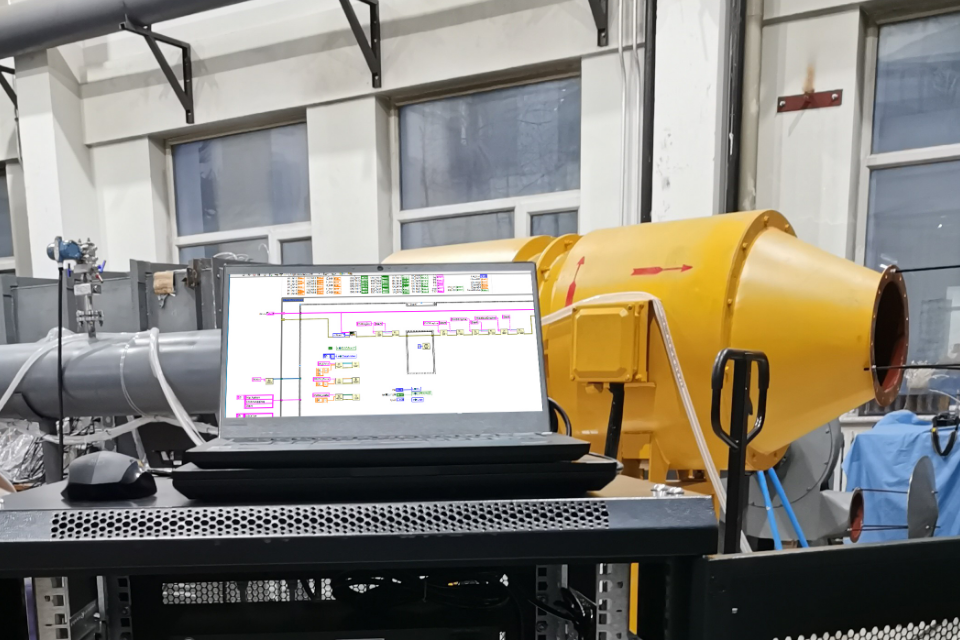
Ethernet connectivity moves data directly to the acquisition workstation without proprietary interface cards. Standard TCP/IP protocols integrate with existing network infrastructure. Scanner placement becomes flexible—mount the hardware near the test section and run a single network cable back to the control room.
Putting It Together
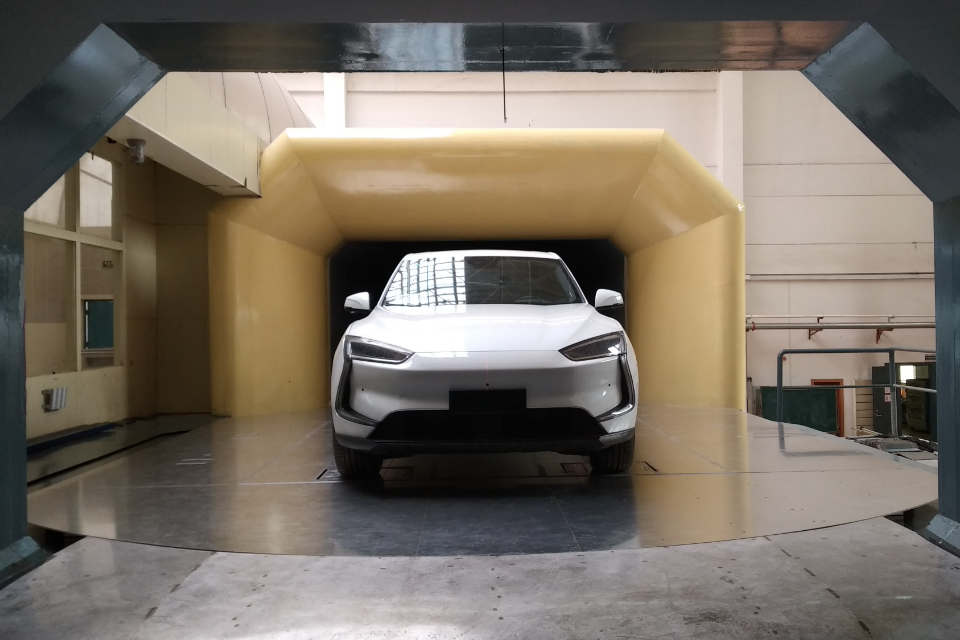
A typical automotive wind tunnel setup illustrates how these components combine. Engineers mount a rake of five-hole probes behind the vehicle model to map the wake structure. Each probe connects via pneumatic tubing to a channel on the pressure scanner. The scanner sits adjacent to the test section, minimizing tubing length and preserving frequency response.
During the test run, the scanner samples all probe channels simultaneously, applies calibration coefficients, and outputs flow angle, velocity, and pressure data for each measurement point. The wake profile emerges as a coherent dataset rather than a collection of individual measurements that need temporal alignment.
From Calibration to Field Data
The same calibration wind tunnel that characterizes the probes also validates the pressure scanners. This closed loop ensures traceability from the final measurement back to fundamental pressure standards. When clients question data quality, Windtuner can demonstrate the calibration chain in detail.
This integration approach reflects how we at Windtuner interpret the process of flow field measurement. We don't see pressure scanners and pneumatic probes as separate product lines. They function as complementary elements of a measurement system designed to work together from the start. That's why our line of products give the most credibility and accuracy in complex projects.