
1. Operating Environment and Application Requirements
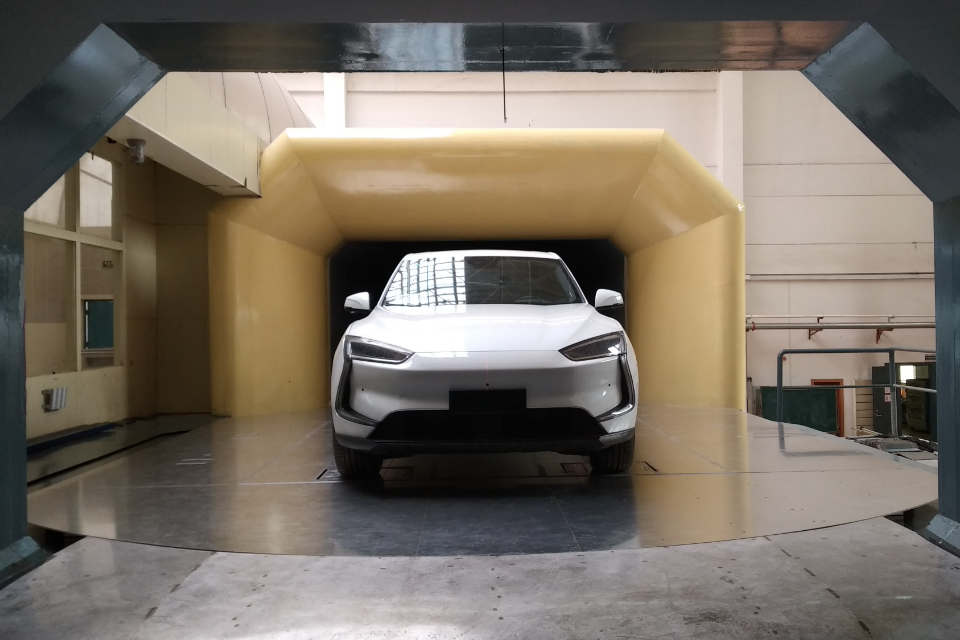
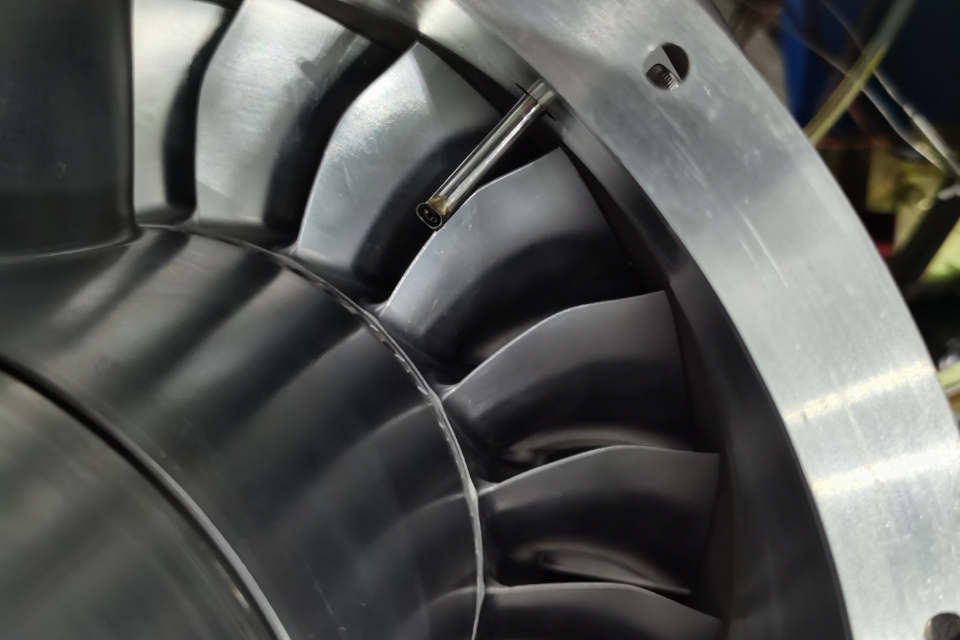
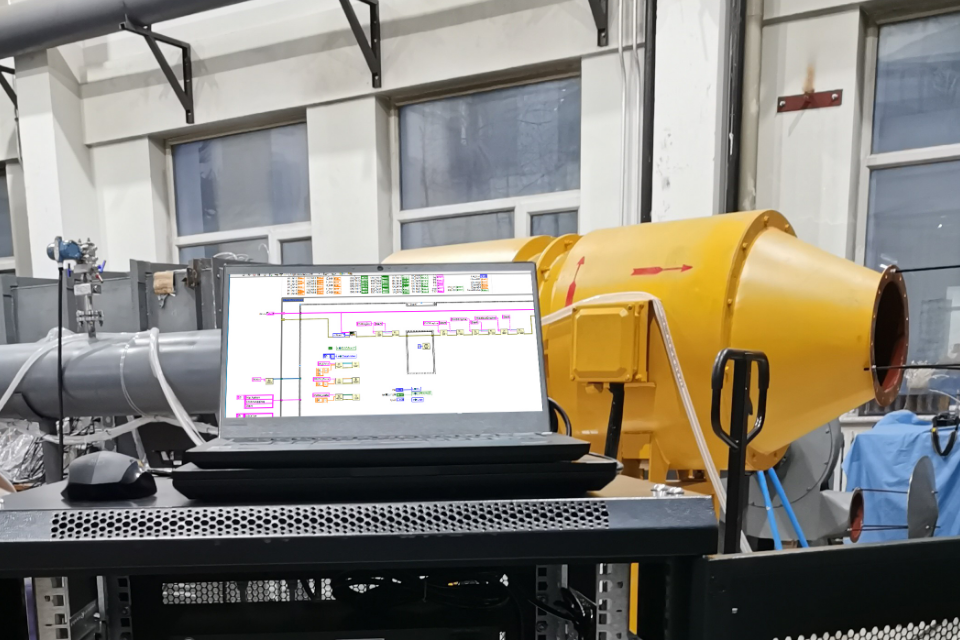
The first issue to consider in a custom 7-hole probe project is the environment where the probe will be used. 7-hole probes are often deployed in extreme conditions involving high speed, high temperature, low temperature, or high pressure, so the design must be able to withstand those demanding conditions. In wind tunnel testing or engine testing, for example, the probe must tolerate airflow impact while maintaining measurement accuracy.
At the same time, the application also determines the required level of measurement accuracy. Aerospace, UAV testing, and other high-precision aerodynamic test scenarios place exceptionally high demands on data accuracy and consistency. A custom 7-hole probe therefore needs not only sufficient pressure resistance and heat resistance, but also a structural design and manufacturing process capable of delivering the required measurement precision.
2. Measurement Accuracy and Port Layout
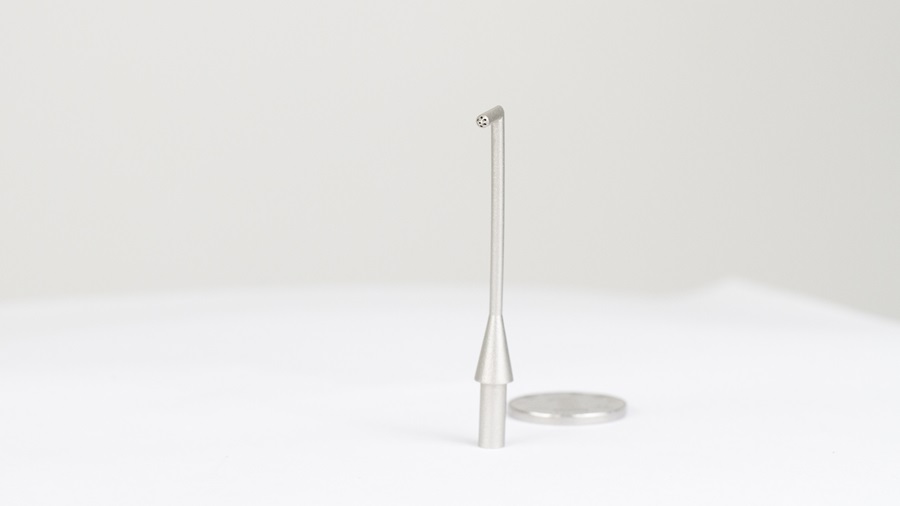
The core function of a 7-hole probe is to capture pressure changes in the airflow accurately and support synchronized multi-point measurement. That makes port layout one of the key factors affecting measurement accuracy in a custom design. Port placement should be optimized for the characteristics of the target flow field and the aerodynamic parameters being measured so that the probe can capture pressure data at multiple critical locations at the same time.
Spacing between ports, hole diameter, and port arrangement all need to be calculated precisely to avoid airflow interference or measurement error. In general, the port layout should meet the following requirements:
Spacing optimization: Port spacing must be small enough to preserve measurement accuracy while avoiding interference between airflow paths.
Uniform distribution: Ports should be distributed evenly so the probe can capture pressure information across the flow field, especially in complex flows.
Precision requirements: Hole diameter and port position must reach micron-level accuracy to capture subtle flow changes, especially in high-speed airflow and high-precision measurement environments.
3. Material Selection and Durability
Material selection is another key factor in custom 7-hole probe development. Because 7-hole probes are often exposed to extreme conditions such as high temperature and high pressure, the chosen material must deliver excellent mechanical properties and withstand prolonged heat or corrosive airflow.
Common materials for 7-hole probes include high-temperature metal alloys, ceramics, and carbon fiber. For test environments involving high temperature or high pressure, important selection criteria include thermal expansion coefficient, oxidation resistance, and corrosion resistance. Some special applications may also require composite materials or multi-material combinations to improve overall probe performance.
Material choice affects not only probe strength and stability, but also weight and surface properties. In aerospace, for example, lightweight construction and oxidation resistance are especially important, while engine testing places greater emphasis on heat resistance and corrosion resistance.
4. Structural Design and Fluid-Dynamic Optimization
The structural design of a 7-hole probe directly affects its aerodynamic performance and measurement accuracy. A well-designed structure can minimize flow disturbance and pressure interference, helping ensure accurate data. In high-speed airflow especially, the probe tip should be designed to disturb the flow as little as possible while preserving the aerodynamic efficiency of the ports.
For example, the front end of the probe may need fluid-dynamic optimization to reduce drag and turbulence caused by the probe itself. In a custom 7-hole probe project, aerodynamic optimization analysis is usually needed to ensure the probe meets the flow with minimal resistance and delivers more reliable measurement data.
In addition, the connector region and internal passage design are also important. The passages must allow airflow to move smoothly and avoid blockage or uneven flow. The structure should also be designed for easy cleaning and maintenance, especially in high-contamination or high-temperature environments where impurities in the airflow can clog the probe. Regular cleaning and maintenance are essential for long-term stable operation.
5. Testing and Calibration
After a custom 7-hole probe is completed, it must go through rigorous testing and calibration to confirm that its performance meets the design requirements. That includes verifying measurement accuracy, testing stability under different operating conditions, and checking coordination with other sensor systems. These steps help engineers ensure the probe can meet the demands of high-precision aerodynamic testing in real applications.
In WINDTUNER's view, a 7-hole probe is an important tool in aerodynamic measurement, and customizing one involves multiple complex factors, including the operating environment, measurement accuracy, port layout, material selection, structural design, and compatibility with other equipment. Each factor needs to be carefully designed and optimized for the target application so the probe can provide accurate and reliable data in complex airflow environments. By taking all of these factors into account, a custom 7-hole probe can deliver more precise aerodynamic measurement solutions for aerospace, wind tunnel testing, engine testing, and related fields, helping drive further advances in the technology.