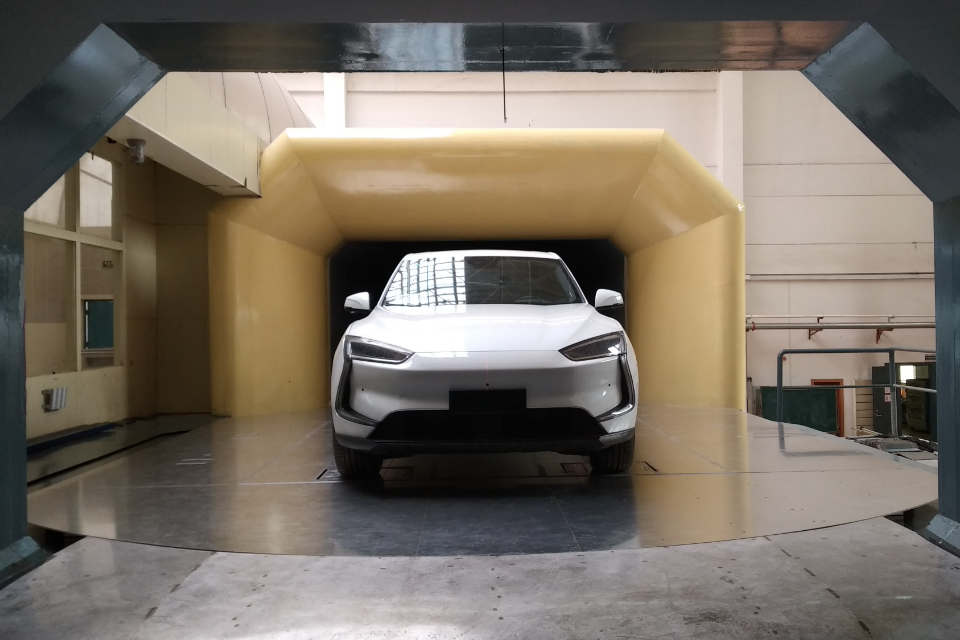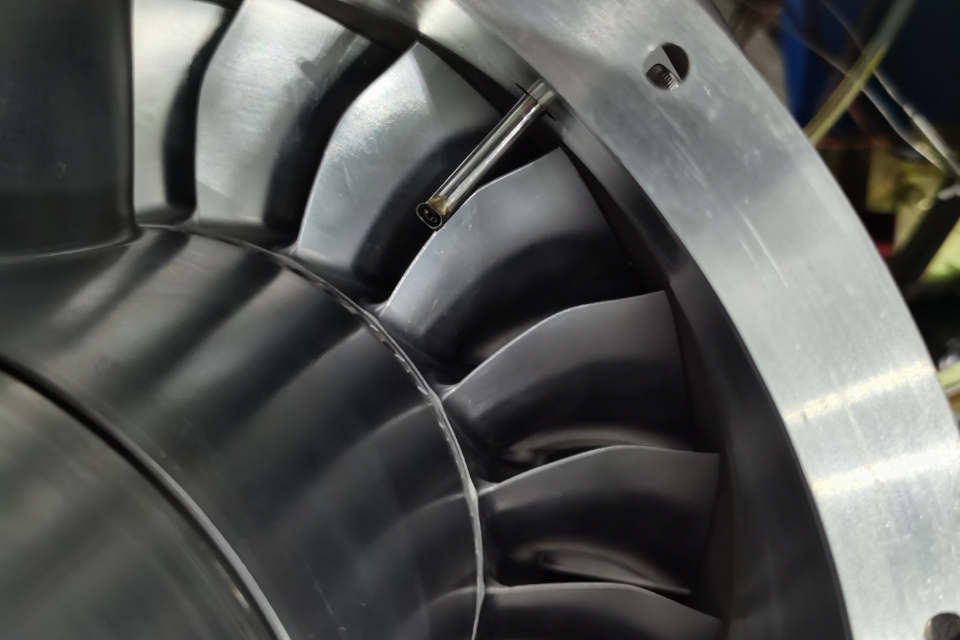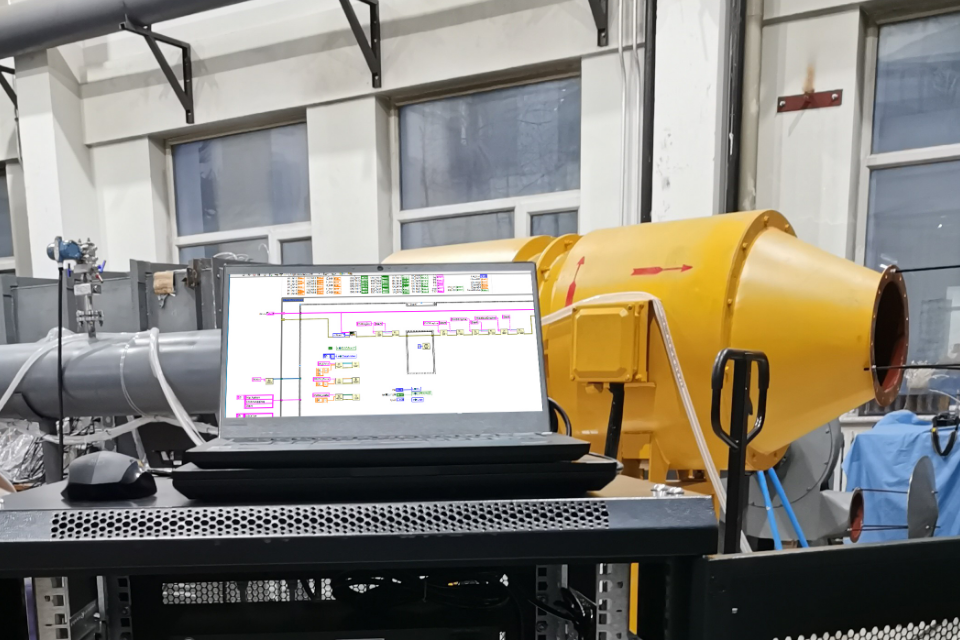

Aerospace engineers work on supersonic flow fields. Careful and comprehensive measurement is essential for the . Five-hole probes sit at the heart of this work, measuring flow angles and velocities running through the wind tunnels.
Windtuner builds five-hole probes that capture three-dimensional flow data accurate enough to validate CFD models. These probes measure total pressure, static pressure, and flow angles from subsonic speeds up to Mach 2. Engineers in aerospace and turbomachinery count on this data to understand how air moves around turbine blades, through compressor stages, and over aircraft surfaces.
3D Metal Printing Changed the Geometry
Traditional five-hole probes came from machined metal stock. That process limited what shapes could be made, and machining introduced tiny imperfections that threw off calibration. Windtuner uses micron-level 3D metal printing instead. One print forms the entire probe head with five pressure ports positioned to micrometer accuracy. The result measures flow more consistently and handles higher forces. Tests show printed probes deform at 900 N, almost three times the load that bends machined ones.
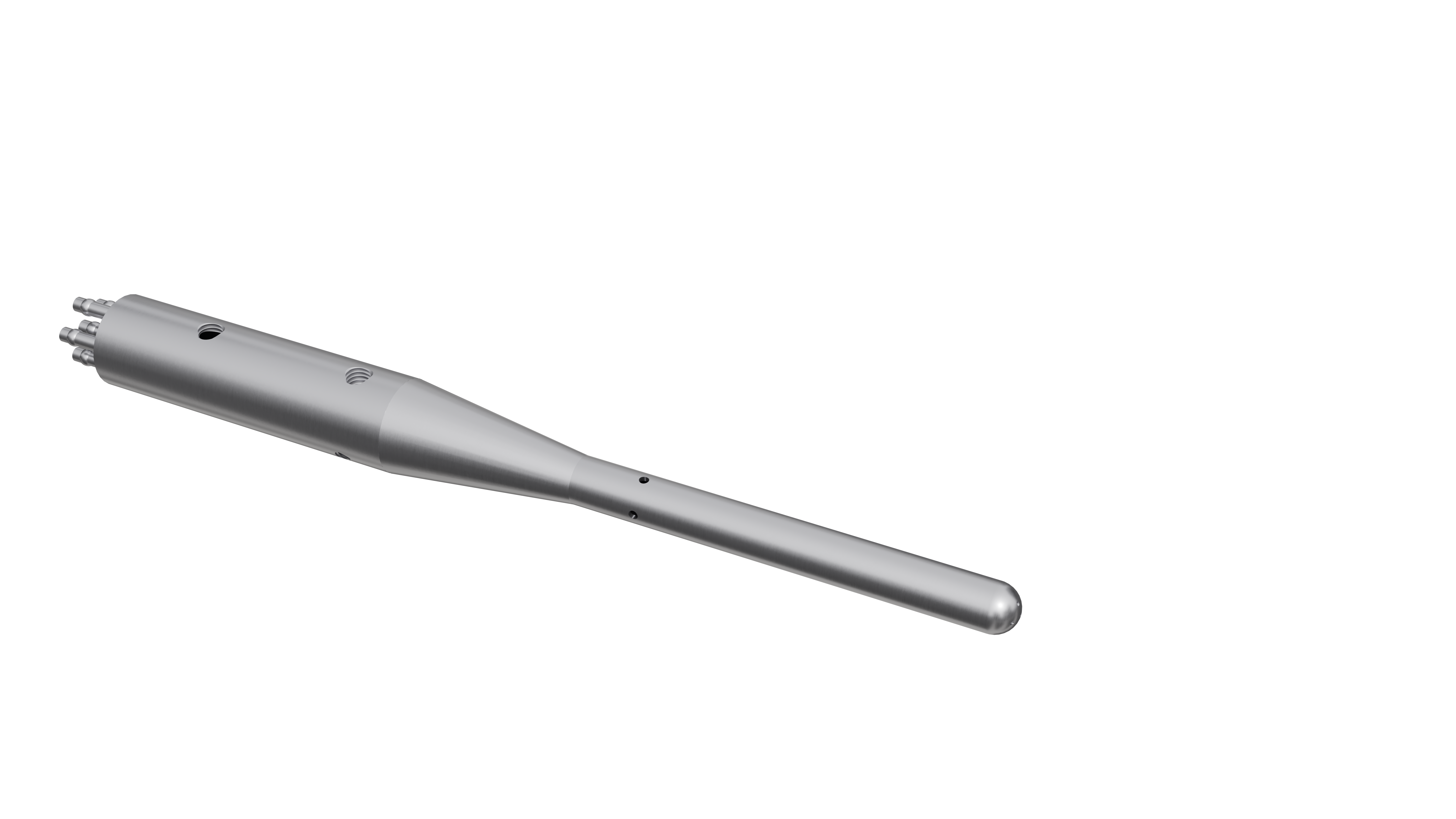
Five-Hole Differential Pneumatic Airspeed Probe
3D printing also opens design possibilities. L-shaped heads, compound curves, and internal channels that would need multiple machined parts become single printed components. Engineers can request custom geometries for specific setups without waiting through extra fabrication rounds.
Calibration Backs the Measurement
A probe only works as well as its calibration curve. Windtuner calibrates every probe in its CNAS-accredited wind tunnel laboratory, running angular sweeps across the full pitch and yaw range. The calibration data becomes a lookup table that turns raw pressure readings into flow angle and velocity. Without this step, the five pressure ports just give numbers with no physical meaning.
Windtuner holds over 100,000 calibration records from more than 10,000 probe designs. This database helps engineers predict how new geometries will perform before printing. It also means calibration curves for standard designs arrive faster, since the physics underneath is already mapped.
From Wind Tunnels to Flight
Five-hole probes started in ground testing, but their role has grown. Windtuner has supplied probes for engine test cells, where compressor inlet flow needs observation, and for field measurements on operating turbines. The same probe that maps flow around a wind tunnel model can, housed correctly, survive the temperature and vibration of an engine bay.
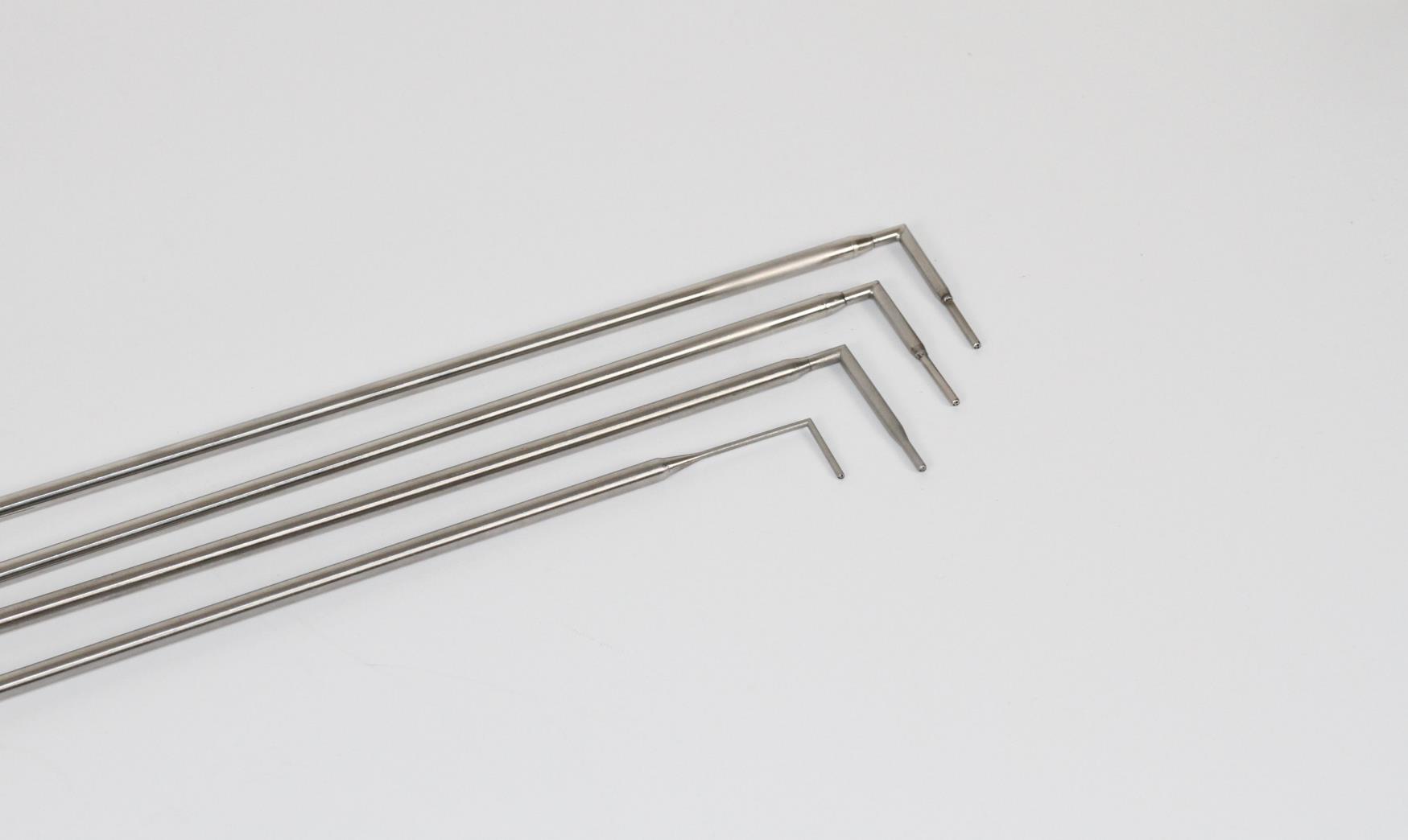
L-Shaped Probes
For aerospace teams pushing into higher Mach numbers and tighter tolerances, the five-hole probe stays a baseline instrument. It does not replace laser diagnostics or particle image velocimetry, but the true pressure that those optical methods need for validation cannot come without the probe. Windtuner will carry on the refining of probe geometry and calibration methods to help engineers read the flow that shapes their designs.