
The low-altitude aviation boom has produced aircraft that look little like the airliners for which much of today’s air-data practice was refined. As drones, eVTOL aircraft and high-altitude platforms move into more demanding operating environments, the five-hole differential-pressure airspeed probe is emerging as an important tool for measuring not only airspeed, but also the direction and condition of the airflow around the aircraft.
Electric vertical-takeoff-and-landing vehicles transition between hover and forward flight. Industrial drones fly slowly around structures and through gusts. High-altitude platforms must remain efficient in thin air. Across these missions, the flight computer still needs a dependable answer to a basic question: How is the air moving relative to the aircraft?
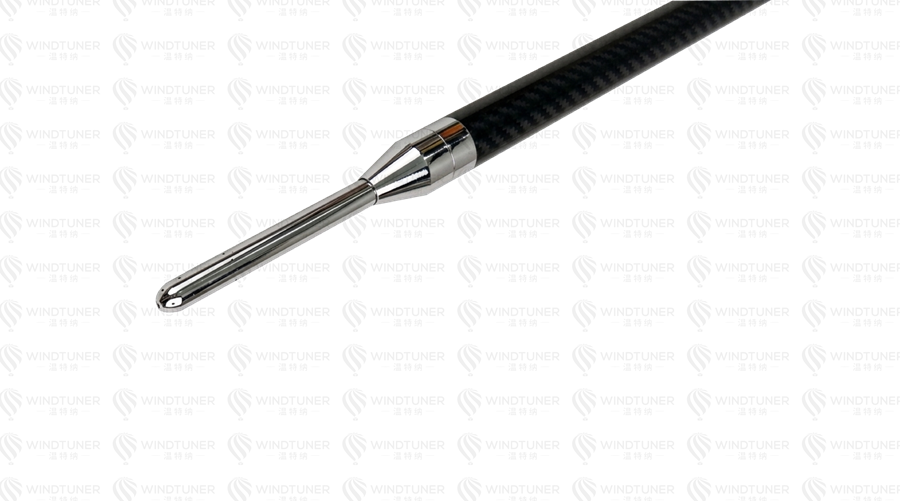
A conventional pitot-static tube is highly effective when the flow approaches from the expected direction. The challenge begins when an aircraft flies at low speed or high angle of attack, encounters sideslip, or moves through a transition where the local flow no longer aligns neatly with the fuselage.
Under those conditions, airspeed alone is insufficient. The control system also needs to know the direction of the incoming flow—and it needs the answer before an unstable condition develops.
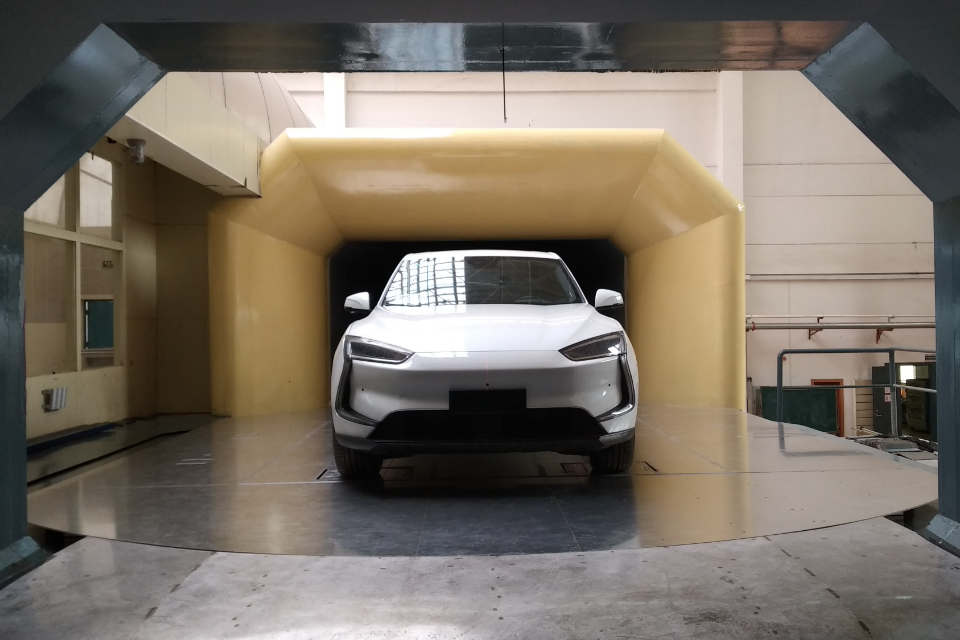
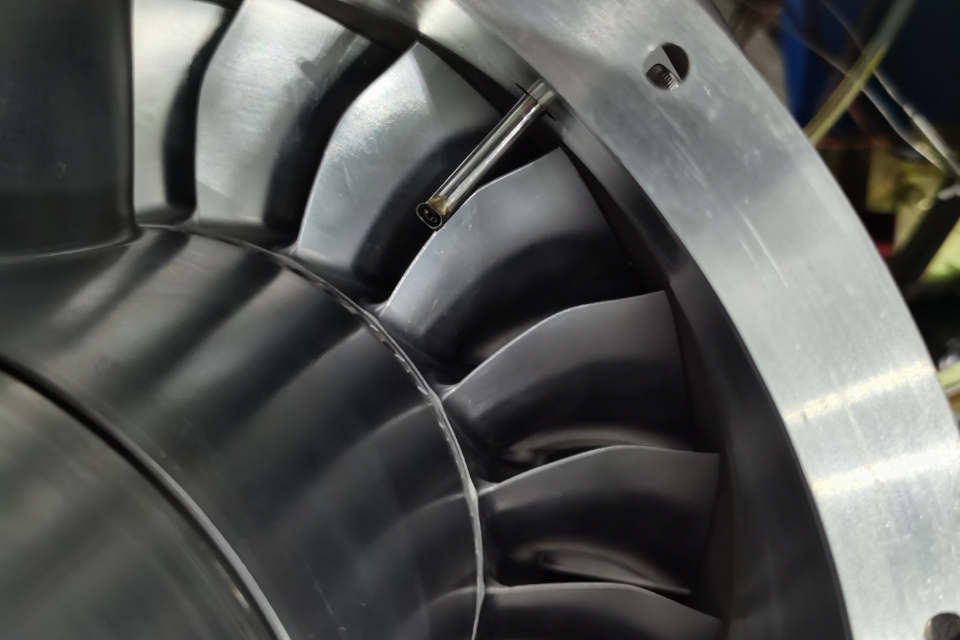
WINDTUNER’s five-hole differential-pressure airspeed system is built around that requirement. Five ports at the probe head sense the pressure pattern created by the incoming air. After wind-tunnel calibration, the system can derive dynamic pressure, static pressure, angle of attack and sideslip angle.
Temperature sensing adds total atmospheric temperature, while onboard calculations can provide calibrated airspeed, true airspeed, pressure altitude and static temperature.
The distinction is more than a longer list of outputs. For an eVTOL aircraft, angle-of-attack and sideslip information can help the flight-control system interpret the aerodynamic state during the transition from vertical lift to wing-borne flight.
For a drone conducting an inspection, the same data can help distinguish the aircraft’s own motion from the effects of a crosswind. For a flight-test team, one integrated probe can reduce the need to assemble separate sensors whose timing, alignment and calibration may not match.
Low-speed measurement is particularly unforgiving. Dynamic pressure falls with the square of airspeed, leaving smaller signals for the sensor to resolve. At the same time, installation errors, local flow distortion and temperature effects account for a larger share of the final measurement result.
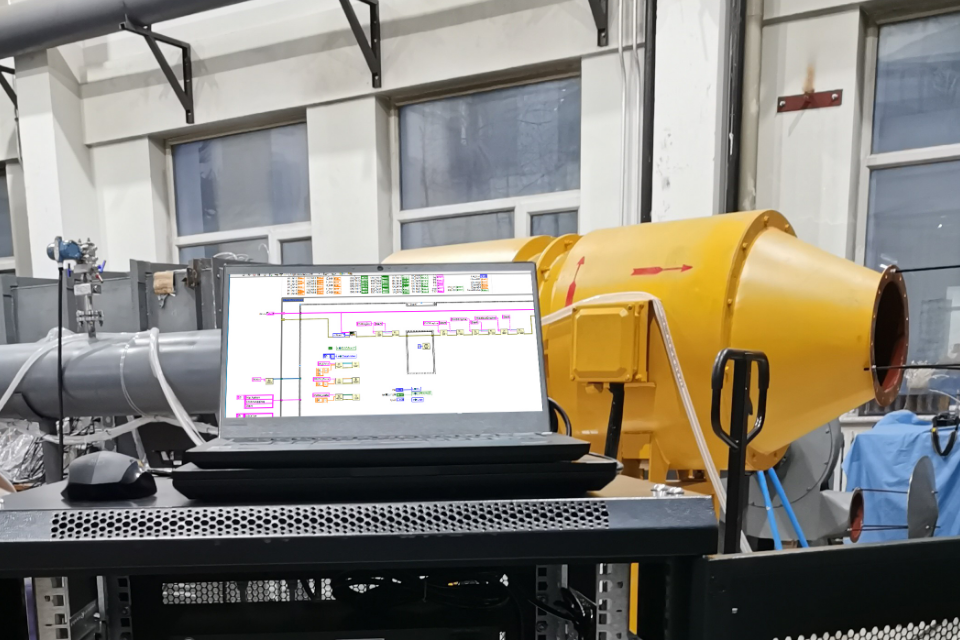
WINDTUNER calibrates the five-hole probe head and pressure sensors in a calibration wind tunnel and an environmental chamber, applying corrections across the specified airspeed and temperature ranges.
Weather adds another constraint. A probe exposed to visible moisture can accumulate ice, altering the geometry of its pressure ports or blocking a pressure passage. WINDTUNER’s design uses a temperature sensor to regulate heating power, supplying heat as needed to maintain the required operating temperature while limiting energy consumption.
That trade-off matters on electric aircraft, where every continuous electrical load competes with propulsion, payload and endurance.
Integration may determine whether promising hardware survives the path from prototype to operational aircraft. The probe must fit within the available mounting envelope, tolerate vibration and temperature changes, communicate with the flight system, and avoid creating excessive drag or electromagnetic interference.
WINDTUNER positions the product as a customizable system, adapting its structure, calibration and interfaces to the aircraft rather than treating the probe as a universal bolt-on component.
The payoff is greater operational visibility. Reliable air-data measurements can support flight-envelope expansion during testing, provide inputs to real-time control laws and give engineers valuable evidence after a difficult maneuver.
The measurements can also improve the quality of simulations. When measured angle of attack, sideslip and airspeed are compared with predicted values, designers can refine both aerodynamic models and flight-control logic.
Low-altitude aviation is often described in terms of batteries, autonomy and new airframes. Its progress will also depend on less conspicuous technologies that tell those systems what the atmosphere is doing.
A five-hole differential-pressure airspeed probe cannot eliminate gusts, icing or difficult flight transitions. What it can do is give an aircraft a clearer and more complete view of those conditions by measuring airspeed, angle of attack, sideslip and other critical air-data parameters. As drones and eVTOL aircraft take on more demanding missions, the five-hole differential-pressure airspeed probe may become one of the most valuable sensors on board.