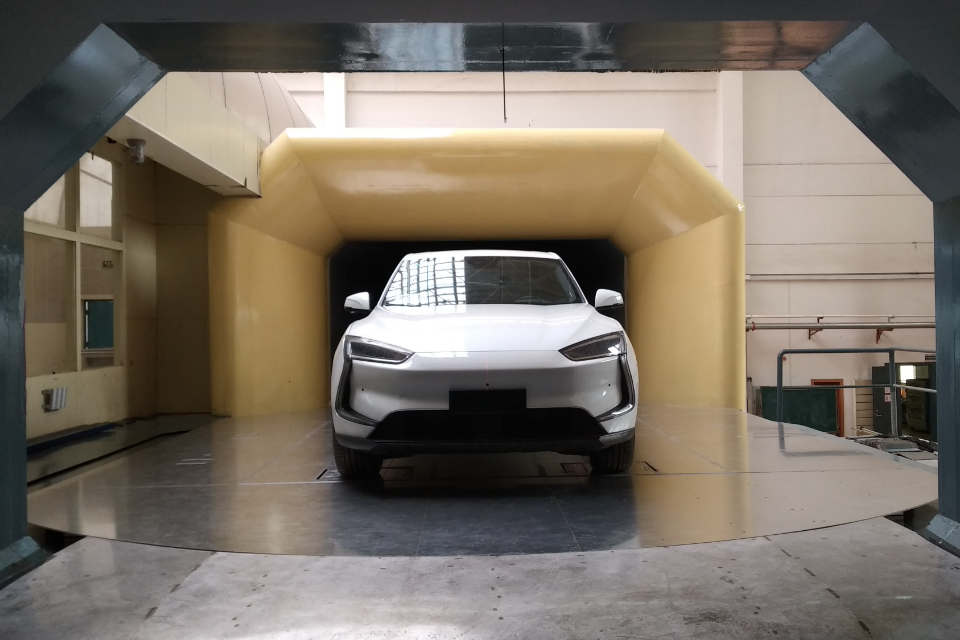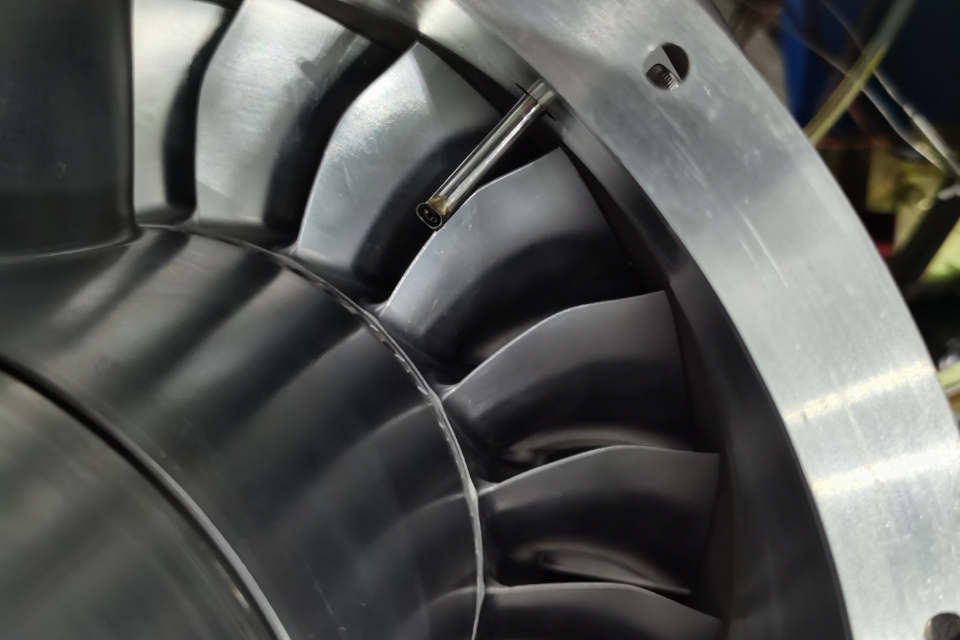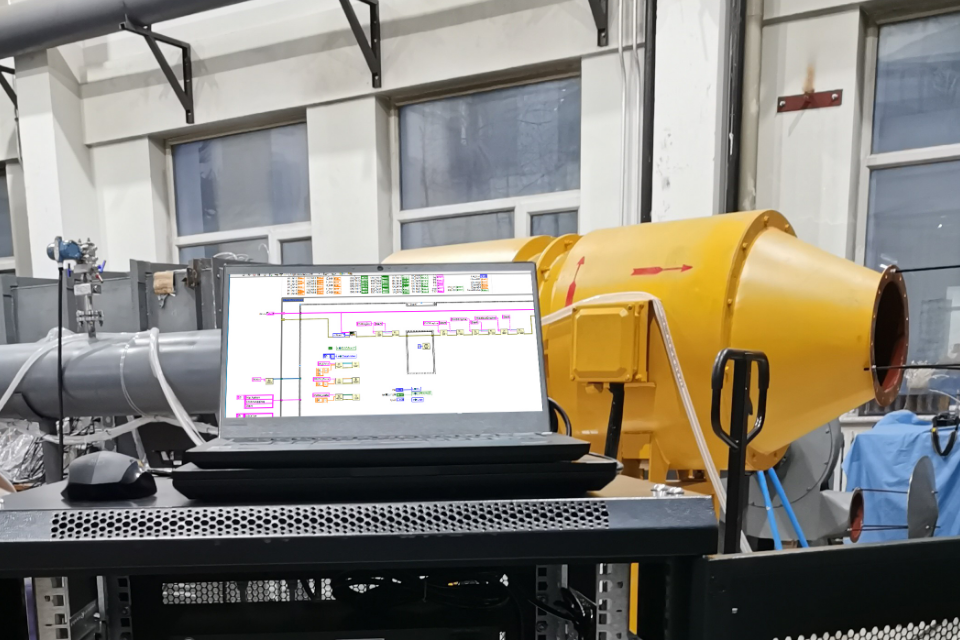

Wind tunnel testing at this level demands hardware that does not drift, distort, or lose resolution under pressure. The open fan architecture is unducted, so the rotor blades sit exposed to the full flow field. That design produces complex aerodynamic interactions: tip vortices, blade wake turbulence, and interference effects between the engine and the wing. Engineers need pressure measurement devices that sample multiple points simultaneously and maintain accuracy across a wide dynamic range. Standard instruments fall short when the flow field changes rapidly from the leading edge to the trailing edge of the rotor disc. In the acoustic test phase at DNW, the team also correlates pressure fluctuations with sound levels. The pressure data must stay clean and noise-free even at low amplitudes. A scanner that rounds off small changes or introduces thermal drift across a six-hour test would hide the blade-stall signatures the acoustic engineers want to eliminate.
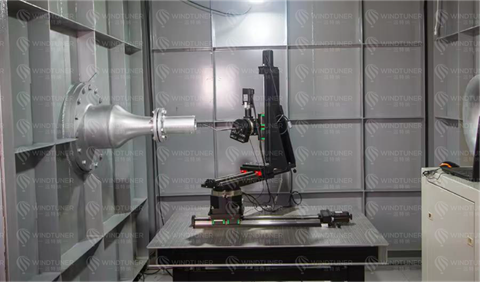
Windtuner manufactures Ethernet intelligent pressure scanners and multi-hole pneumatic probes for exactly this kind of test. Windtuner pressure scanners deliver accuracy of ±0.05% FS across sixteen channels, with a sampling rate of 0 to 500 Hz and 24-bit A/D resolution. Each unit connects via Ethernet using TCP/IP or UDP protocols. Multiple scanners can network together to form a distributed acquisition system that covers every pressure tap on the model. For flow angle measurement, Windtuner builds five-hole, seven-hole, and fourteen-hole probes that measure pitch, yaw, and Mach number across a broad angle range. The fourteen-hole probe covers angles up to one hundred sixty degrees and runs across Mach numbers from zero to 0.95. These probes catch the reversed and off-axis flow that a standard five-hole unit would miss. The scanners also support software, hardware, and timed trigger modes, so engineers can synchronize data capture with model movement or tunnel condition changes. This flexibility matters when the test schedule moves from a steady-state cruise point to a high-lift takeoff configuration in minutes.
Manufacturing quality matters when the probe sits in front of a supersonic jet or inside a hot turbine passage. Windtuner uses micron-level 3D metal printing to build multi-hole probes. This process beats traditional machining on several counts. The angular calibration curves stay more consistent across identical units, and the probe holds up to roughly nine hundred Newtons of deformation force before yielding. Every probe and scanner ships after individual calibration at Windtuner calibration wind tunnel laboratory, the first private facility accredited by CNAS in China. The laboratory runs under an ISO/IEC 17025 quality management system. Calibration team members hold China Metrology Association certificates, Certified Metrologist credentials, and Senior Engineer qualifications. Prototypes run through 10000+ hours of durability testing before mass production. Validated calibration data ships with the hardware, and certificates can be provided upon request.
The Airbus open fan project moves from scale models to full aircraft models in 2026, and flight testing follows later in the decade. Every phase relies on trustworthy pressure data gathered in the tunnel. Windtuner designs the measurement hardware that delivers that data. From pressure scanner to probe to calibration certificate, Windtuner covers the full chain.