
Why eVTOL Testing Is Harder on Measurement Systems
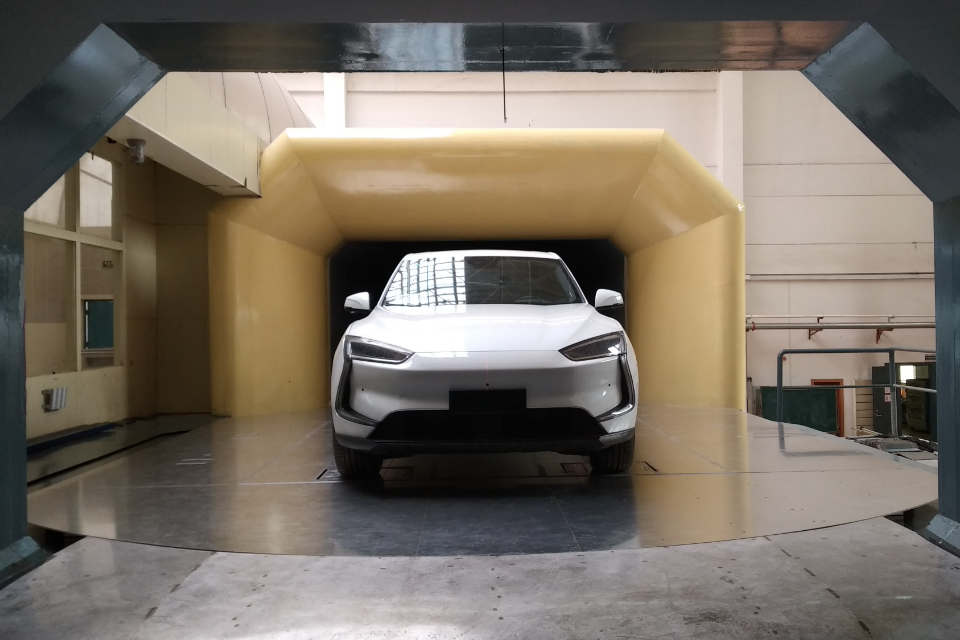
Decades of conventional research have already thoroughly mapped the aerodynamic environment for fixed-wing aircraft operation. eVTOL vehicles do not entirely fit in this environment. Distributed electric propulsion, tilting rotors, and compact duct fans generate three-dimensional, unsteady flow fields that interact in ways not fully predictable by CFD alone. Engineers have to map these interactions physically, running tests across hover, transition, cruise, and emergency descent, and the data only counts if regulators can trace it to known measurement standards.
The Windtuner Ethernet Pressure Scanner
That puts pressure on the pressure scanner. Each test configuration needs simultaneous acquisition across multiple points, time-synchronized so that transient rotor-wake interactions can be reconstructed with confidence. If a scanner drifts between channels or loses sync across a distributed array, the data behind it loses credibility fast. In a certification program, that means repeating test runs, extending schedules, and watching costs multiply.
What Windtuner's Pressure Scanner Actually Does
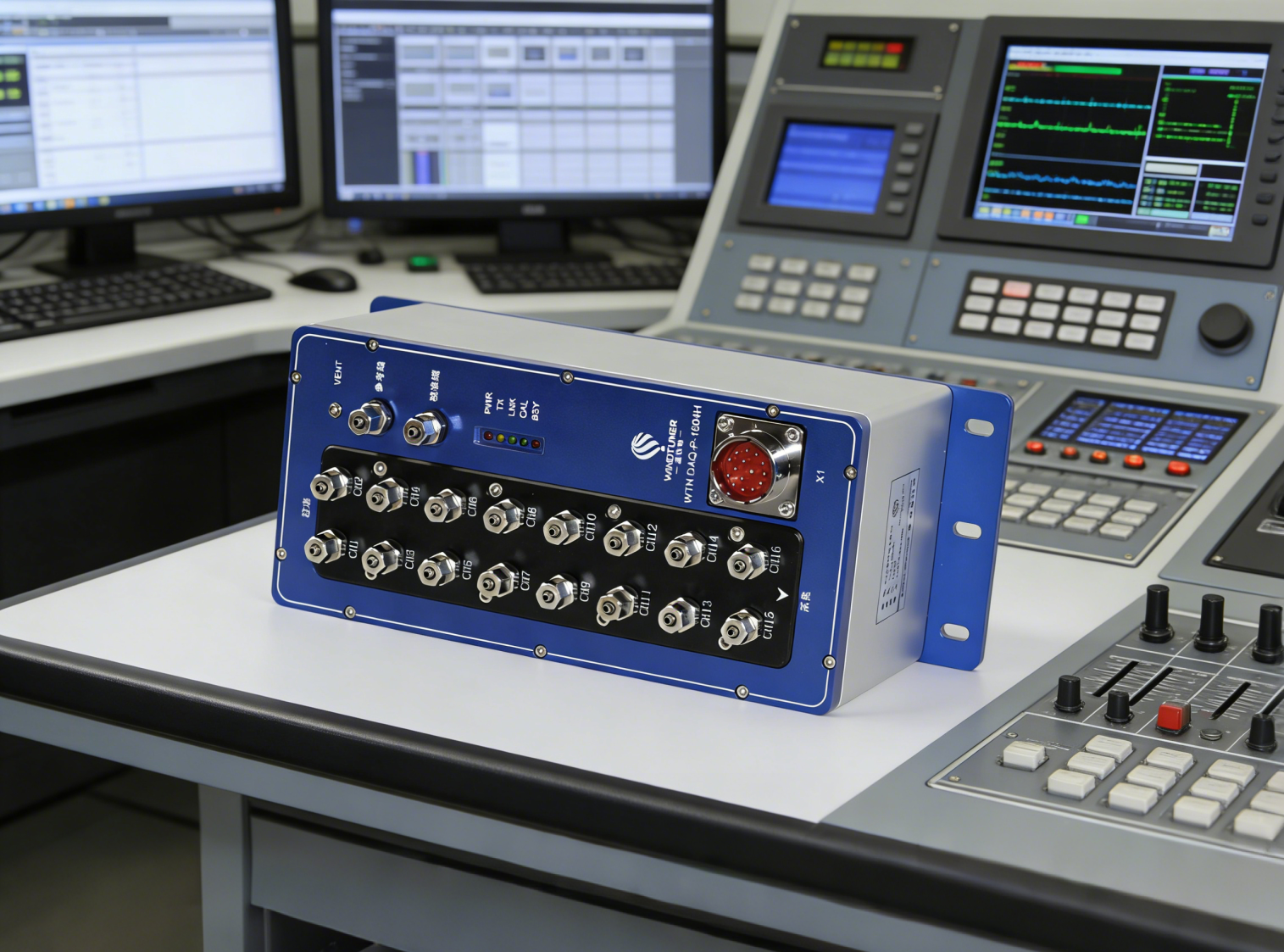
Windtuner's Ethernet Intelligent Pressure Scanner handles 16 channels per unit at accuracy of ±0.05% FS, with 24-bit A/D resolution and sampling rates up to 500 Hz per channel. For eVTOL rotor-wake work, that resolution matters: the pressure gradients are fine, and anything coarser risks smoothing over the features that separate a good design from a marginal one.
IEEE1588V2-2008 Precision Time Protocol synchronizes all channels across the test network to within microseconds. Multiple scanner units connect over standard ethernet, so scaling channel count to match a larger test does not require rethinking the system architecture. Between test runs, a built-in pneumatic valve system runs zero and full-scale calibration on its own, keeping the baseline stable across campaigns that can run for weeks.
Probes Worth Calibrating
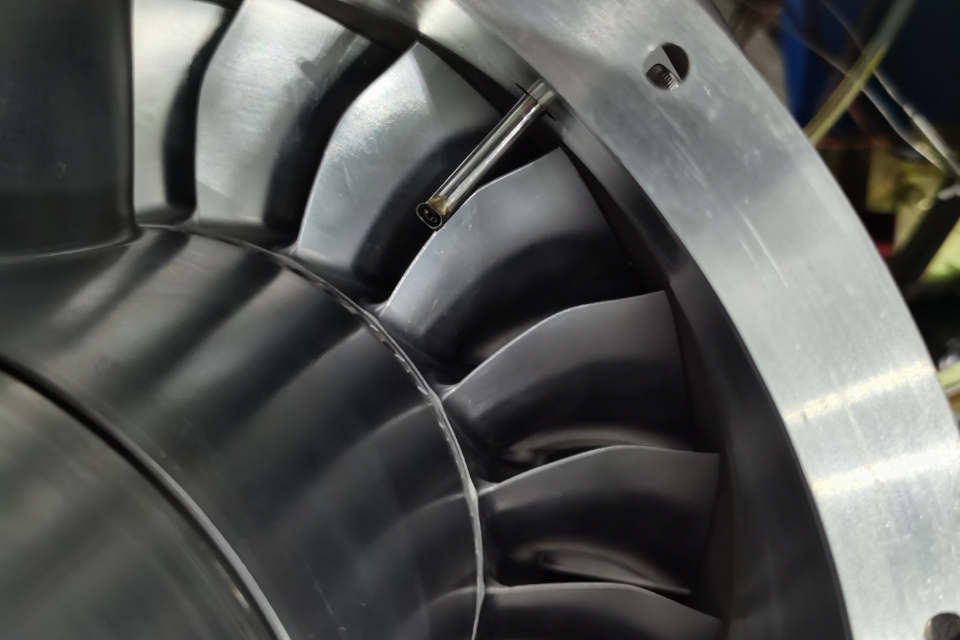
Pressure scanners are the analyzers and organizers of data. But essentially we rely on various kinds of multi-hole probes to collect real data. Windtuner's five-hole probes and seven-hole probes resolve three-dimensional velocity fields inside ducted rotors and between propulsion units, which are exactly the flow regions that determine whether an eVTOL design behaves as predicted or surprises everyone on the test stand.
Windtuner builds these probes using micron-level additive manufacturing rather than conventional machining. The printing process produces hole geometries and tip shapes that machined probes struggle to match consistently, and the result is tighter calibration curves with higher angular sensitivity. Each probe ships from Windtuner's CNAS-accredited wind tunnel laboratory with a calibration certificate covering the subsonic and low-speed conditions that eVTOL flight testing depends on.
$163 Billion in Aircraft, Data Paves the Way
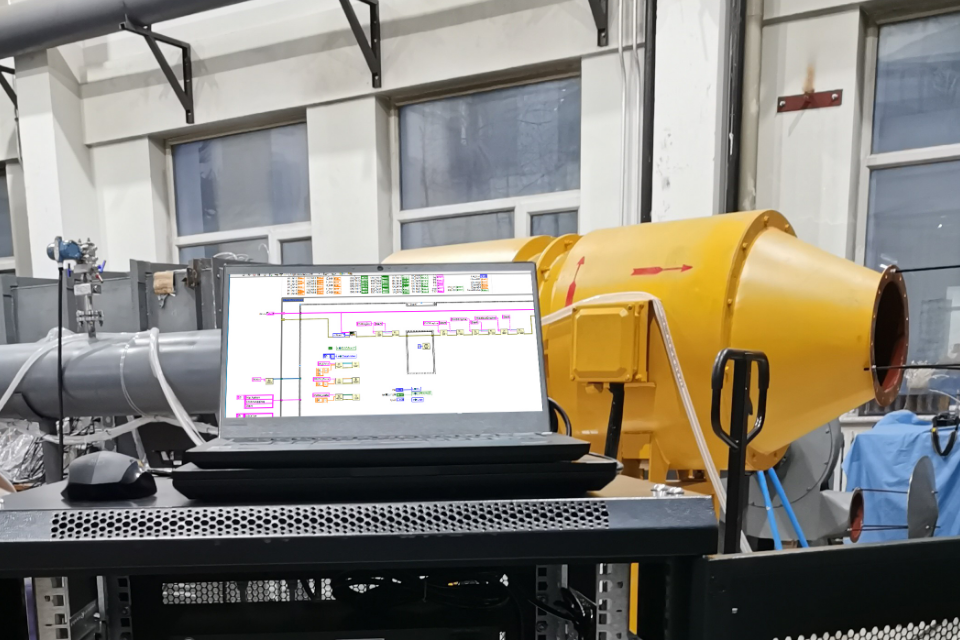
The eVTOL market is projected to exceed $163 billion by 2030. Every aircraft heading to market has to clear a test program before it carries passengers, and those programs run on pressure measurement. Windtuner's pressure scanners, multi-hole probes, and WindLabX measurement and control software give development teams the hardware and software to collect data that certification authorities will accept, and the traceability to stand behind it when questions get specific.