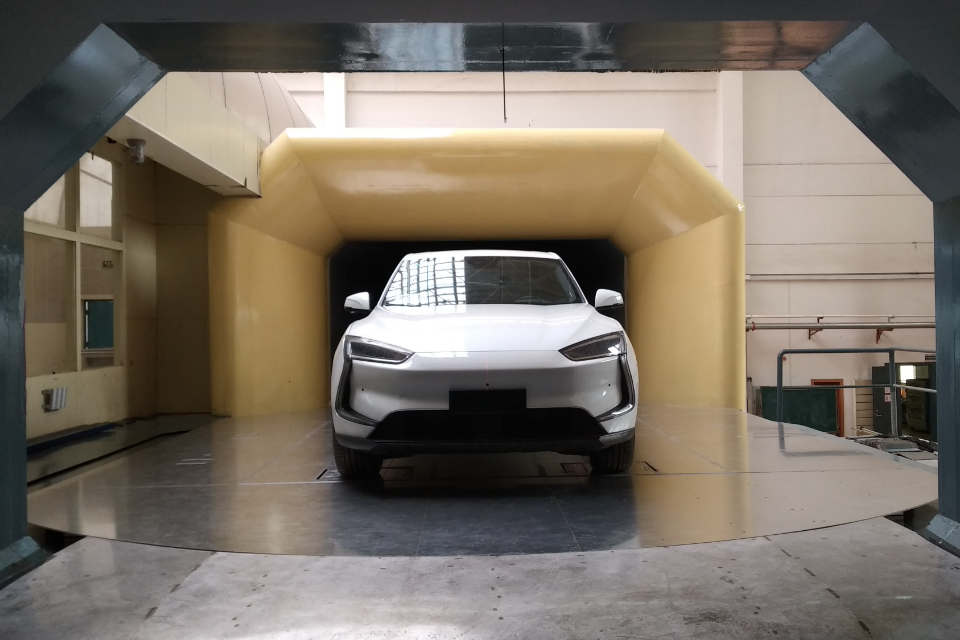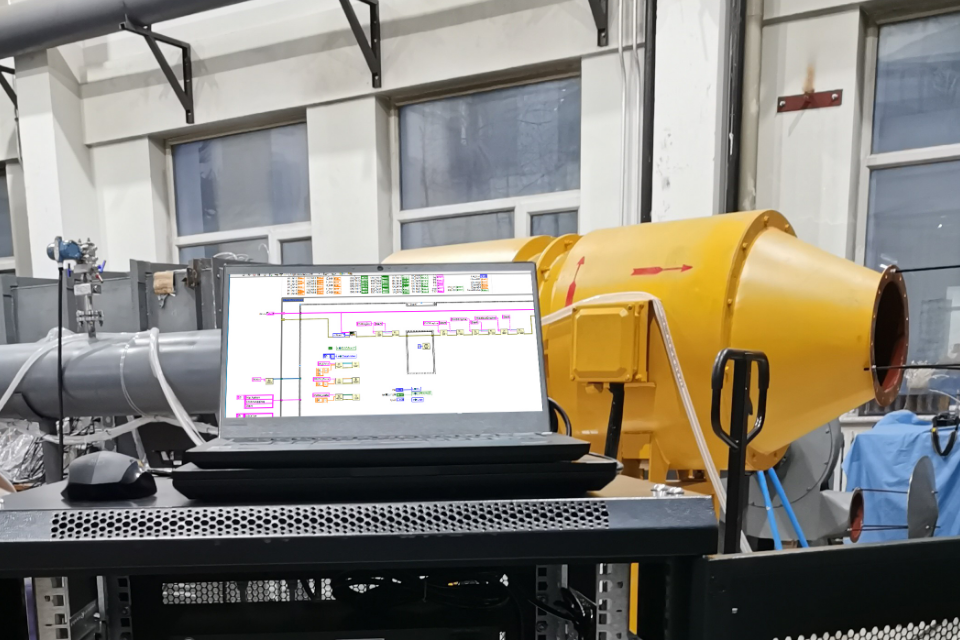

Windtuner tackles this bottleneck by rebuilding the systematic flow field measurement architecture around accuracy, integration, and traceable calibration.
Measurement Hardware That Matches Modern Flow Research
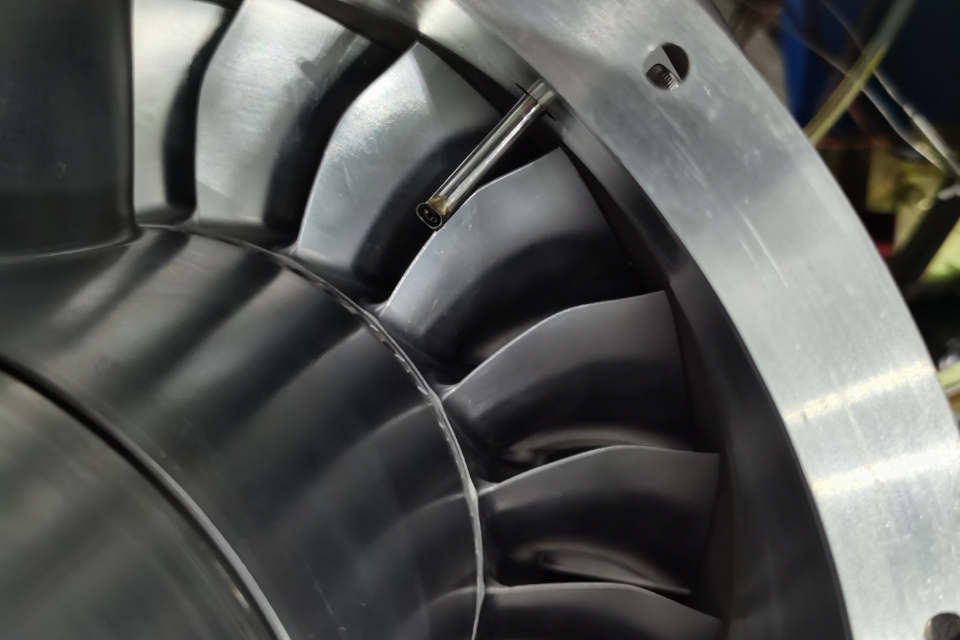
Advanced aerodynamic research depends on high-density pressure acquisition and stable multi-hole probe performance. A five-hole probe or seven-hole probe can resolve complex three-dimensional flow structures, but only if the connected pressure scanner maintains stable output and synchronized sampling.
The Windtuner Ethernet Intelligent Pressure Scanner delivers ±0.05% FS accuracy with 24-bit A/D resolution and modular 16-channel configuration. We integrated internal zero calibration, multi-point calibration, and IEEE1588V2-2008 Precision Time Protocol into the hardware design. Laboratories synchronize distributed acquisition nodes without external timing workarounds. Our consistency keeps the results of compressor mapping, engine inlet distortion testing, and cascade wind tunnel experiments reliable.
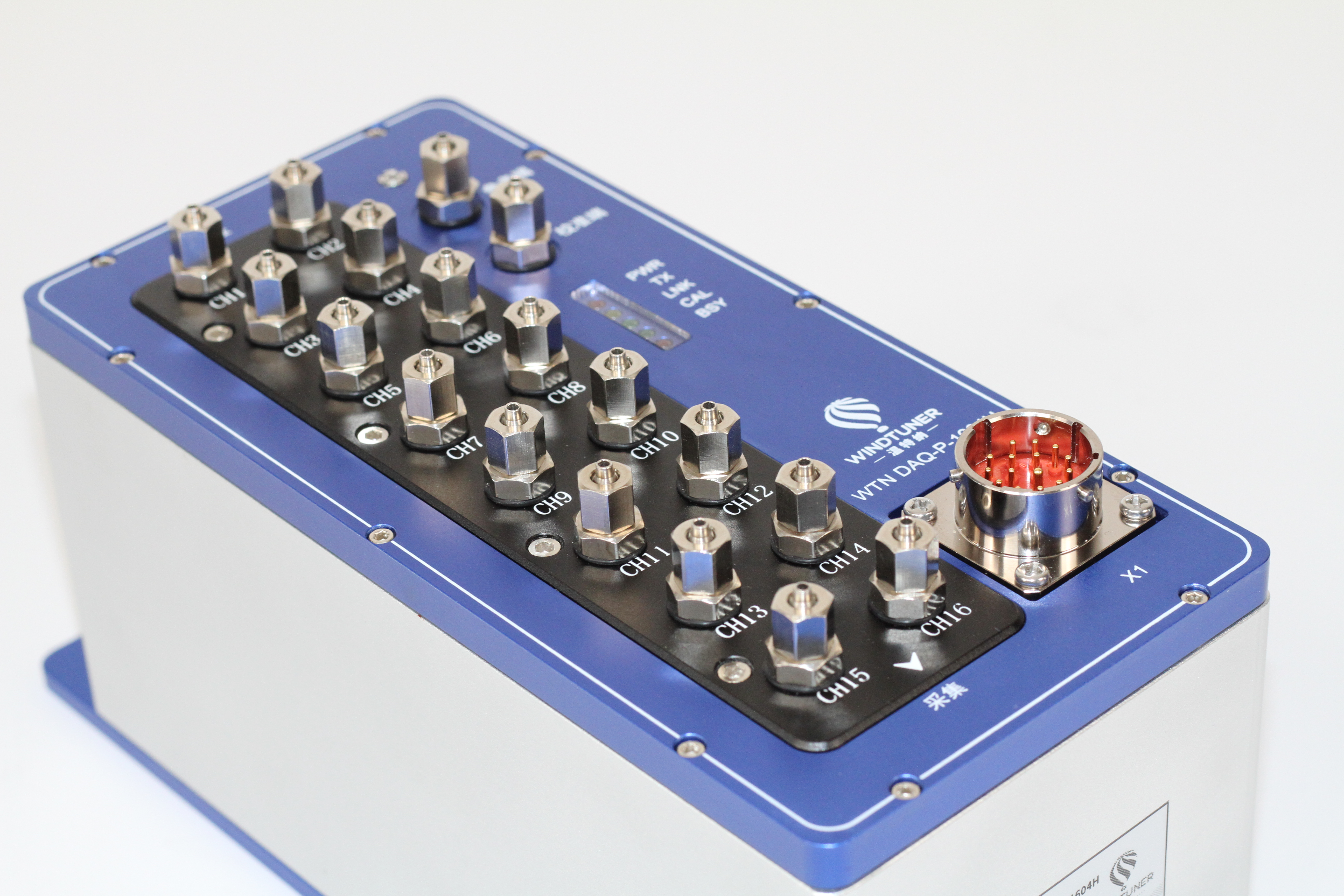
A Windtuner Pressure Scanner
The Windtuner pressure scanner is designed to be part of a system, not an isolated component. We see pneumatic probes, Electric Actuator positioning modules, and measurement control software as a unified structure with our pressure scanner. This structure reduces integration friction inside the wind tunnel and converts raw pressure signals into validated aerodynamic parameters in real time.
Calibration as a Performance Variable
Needless to say, our attitude towards calibration determines how far our data stability and quality can go. Inconsistent calibration procedures across probes and pressure scanners undermine data coherence. The minor deviations happening across the dozens of channels greatly harm our efforts to reconstruct any flow field.
That’s why we put great effort into solving this accuracy and stability issue. Windtuner operates the first private calibration wind tunnel accredited by CNAS under ISO/IEC 17025 management. We calibrate multi-hole probe and pressure scanners under the same quality standard. Supersonic and subsonic calibration capability supports advanced aerospace and turbomachinery R&D for high-speed applications. Windtuner records comprehensive calibration data and provides documented traceability for each instrument.
This approach converts calibration from administrative requirement into measurable performance control. Laboratories reduce uncertainty before the test begins rather than correcting instability afterward.
Releasing Capacity Inside Wind Tunnel Testing
The invisible bottleneck in wind tunnel testing is difficult to be spotted because it accumulates through unstable baselines, delayed synchronization, and fragmented software environments. What we should keep in mind is that the additional runs and manual cross-checks laboratories suffer can be avoided through structural correction.
We enter the US and European markets with our complete flow measurement portfolio:Probe manufacturing,wind tunnel calibration, pressure scanners, and software all integrated. Multi-hole probe produced at the micron-level have increased structural strength and geometric consistency. And WindLabX software map pressure data into visualized flow fields without external processing chains.
Wind tunnel laboratory teams will gain experimental efficiency by adapting coherent systems. Windtuner pressure scanners, calibrated probes, and integrated control software remove the hidden bottlenecks in wind tunnel testing. We mean to address and eliminate all the hidden obstacles in pressure measurement through our full set of solutions.
More about wind tunnel testing→