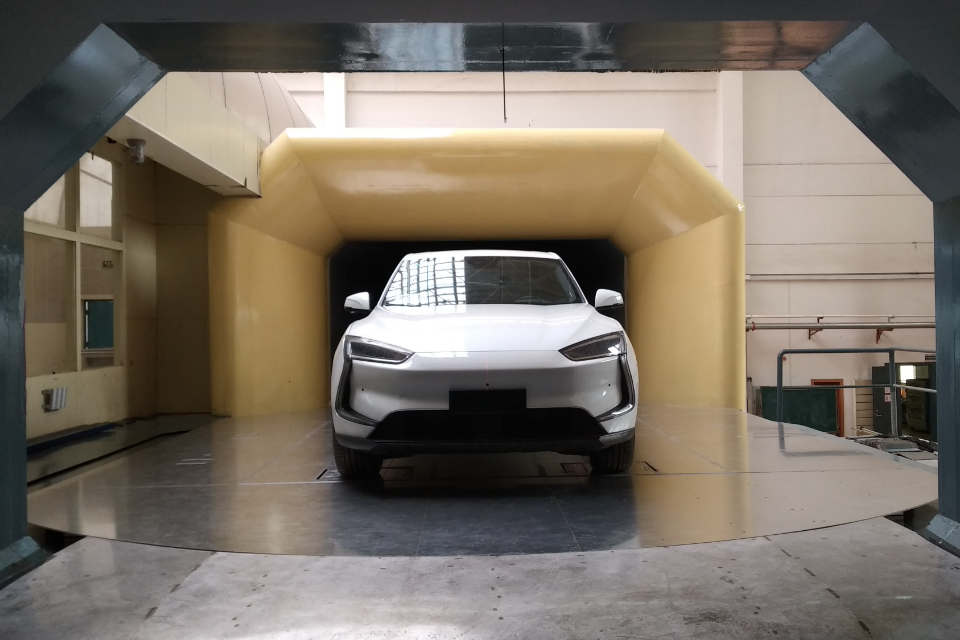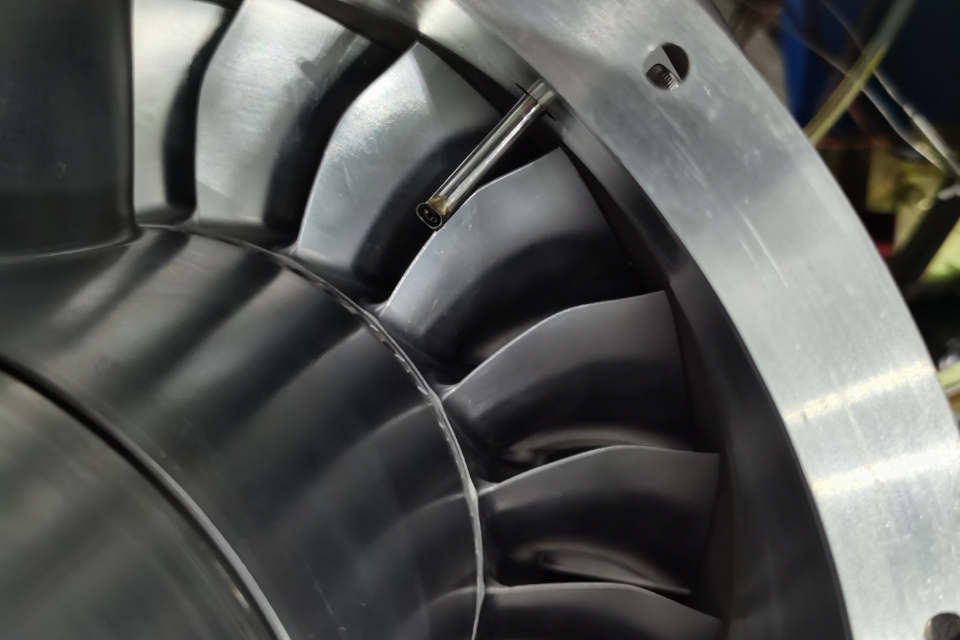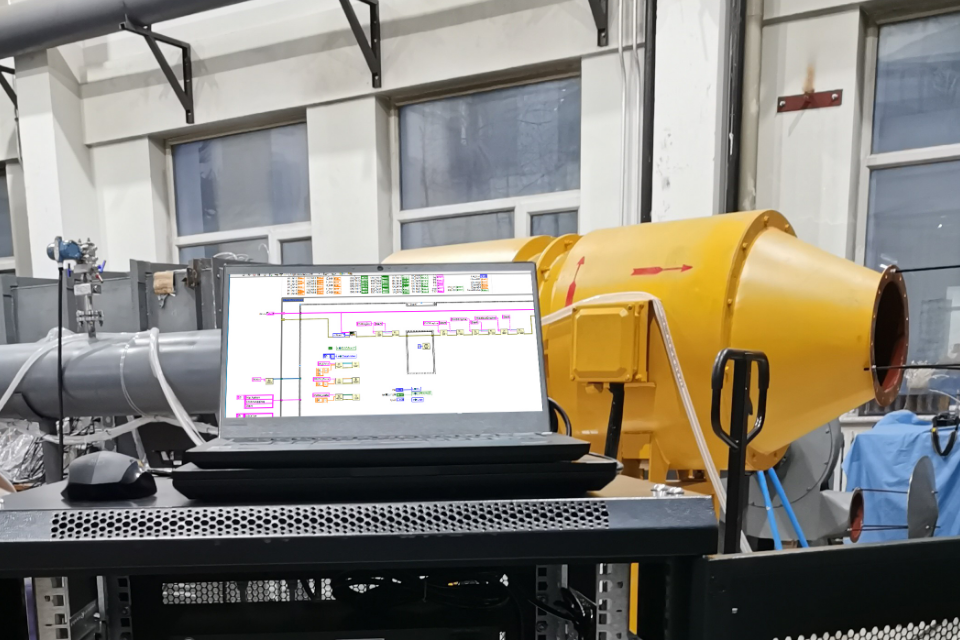

When walking through a project at this scale, not only the wind tunnel needs to be at the same scale of the project—the researchers need formidable planning and dedication too. The pressure scanners, multi-hole probes and other measurement instruments used in complicated experiments require high accuracy, stability and quality. Windtuner strives to excel in these parameters and become a leading manufacturers in the aerodynamic field.
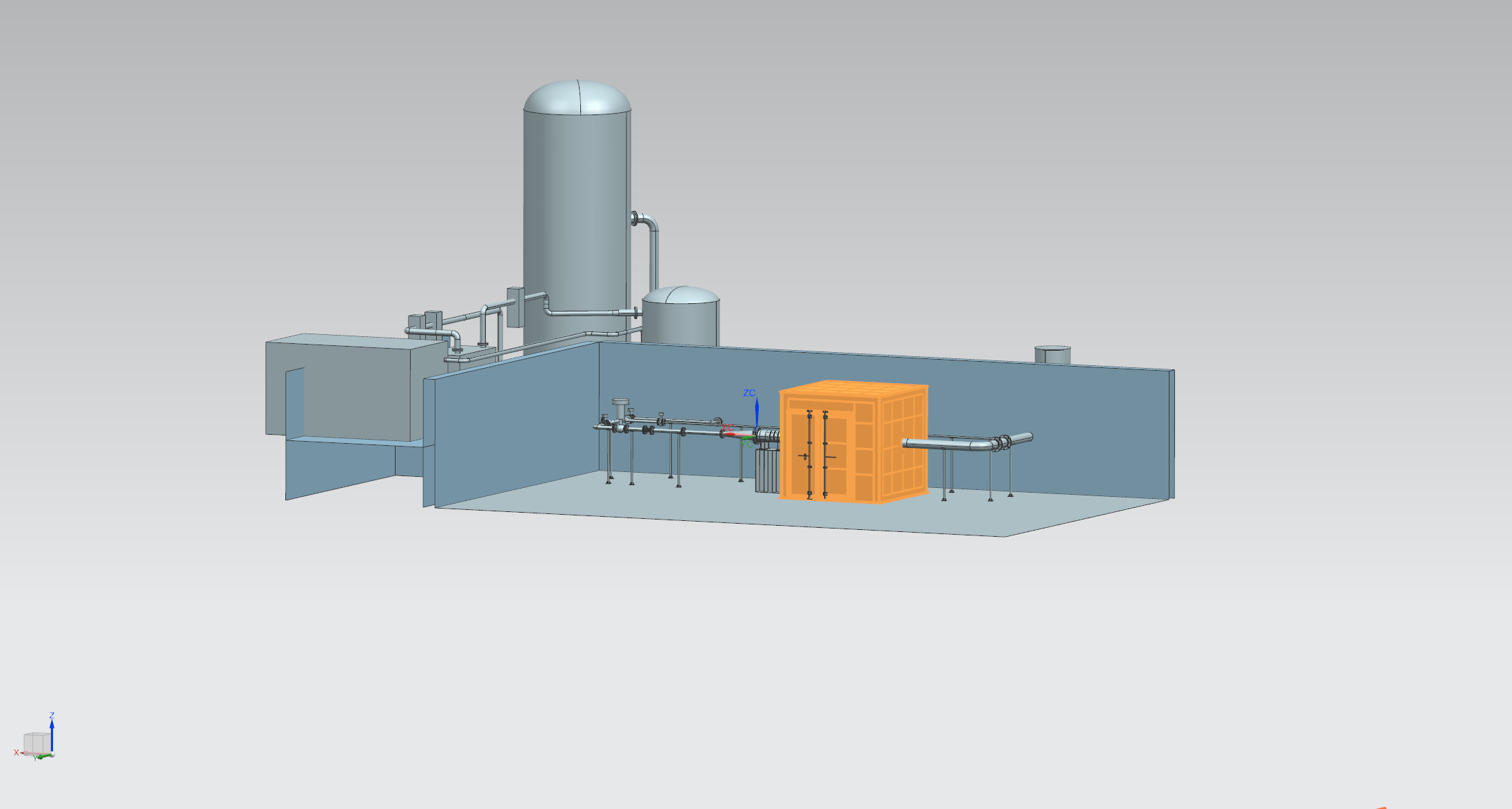
An Instance of a Calibration Wind Tunnel in Operation
Inside the Ames Research Center: Moving Mountains and Measuring Air
At the National Full-Scale Aerodynamics Complex (NFAC) at Ames, the NASA team readied parachutes with 50m diameters. The performance and physical attributes of these parachutes will be tested in large air tunnels.
Before they start blowing in the wind, technicians spend days to rig the canopy of the test parachute to a massive structural frame. They meticulously integrate load cells into the suspension lines and hand-check every mounting point. Engineers then route miles of instrumentation cables, connecting pressure transducers and force sensors to acquisition systems stationed outside the cavernous 80-by-120-foot test section.
The goal of this experiment was to quantitative validation to ensure that when this parachute hit the Martian atmosphere, it would behave exactly as calculated. Once the team verified every single sensor channel, they gave the signal to spool up the fans. As the airflow hit operational speeds, the control room goes quiet. The team monitors real-time data streams as the parachute bucked and deformed, observing force variation, structural stability, and repeatability between runs to validate that the parachute will work.
What Modern Aerodynamics Demands of the Researcher
From the planetary landers NASA and SpaceX dazzle us with, to various commercial jet prototypes still in development progress, research teams equally seek precision and traceability for their projects.
Mapping the Invisible: In aircraft testing, engineers painstakingly install pressure taps across wings and fuselages to map how air moves under different angles of attack. Windtuner provides various multi-hole probe customization choices to best fit your requirements, thus helping to optimize and simplify probe installation work.
Reconstructing the Flow: In compressor experiments, researchers use multi-hole probes to "slice" through blade passages, rebuilding three-dimensional velocity fields from raw data. Windtuner five-hole probes, seven-hole probes and other custom designs are capable of measuring complex flows.
Defining the Margin: When testing engine inlets, the team uses spatial pressure mapping to calculate distortion indices—the robust engine to visualize raw data. Windtuner’s WindLabX software helps our pressure scanners map the data collected, greatly increasing the efficiency of data analysis.
Tools Designed for the Disciplined Engineer
Aerodynamic R&D requires tools that keep up with the human element. Windtuner aligns with the discipline to serve the real needs of every engineer. We provide the hardware that allows researchers to trust their results:
Pressure Scanners: Offers ±0.05%FS accuracy with IEEE1588 time synchronization for perfectly aligned transient data.
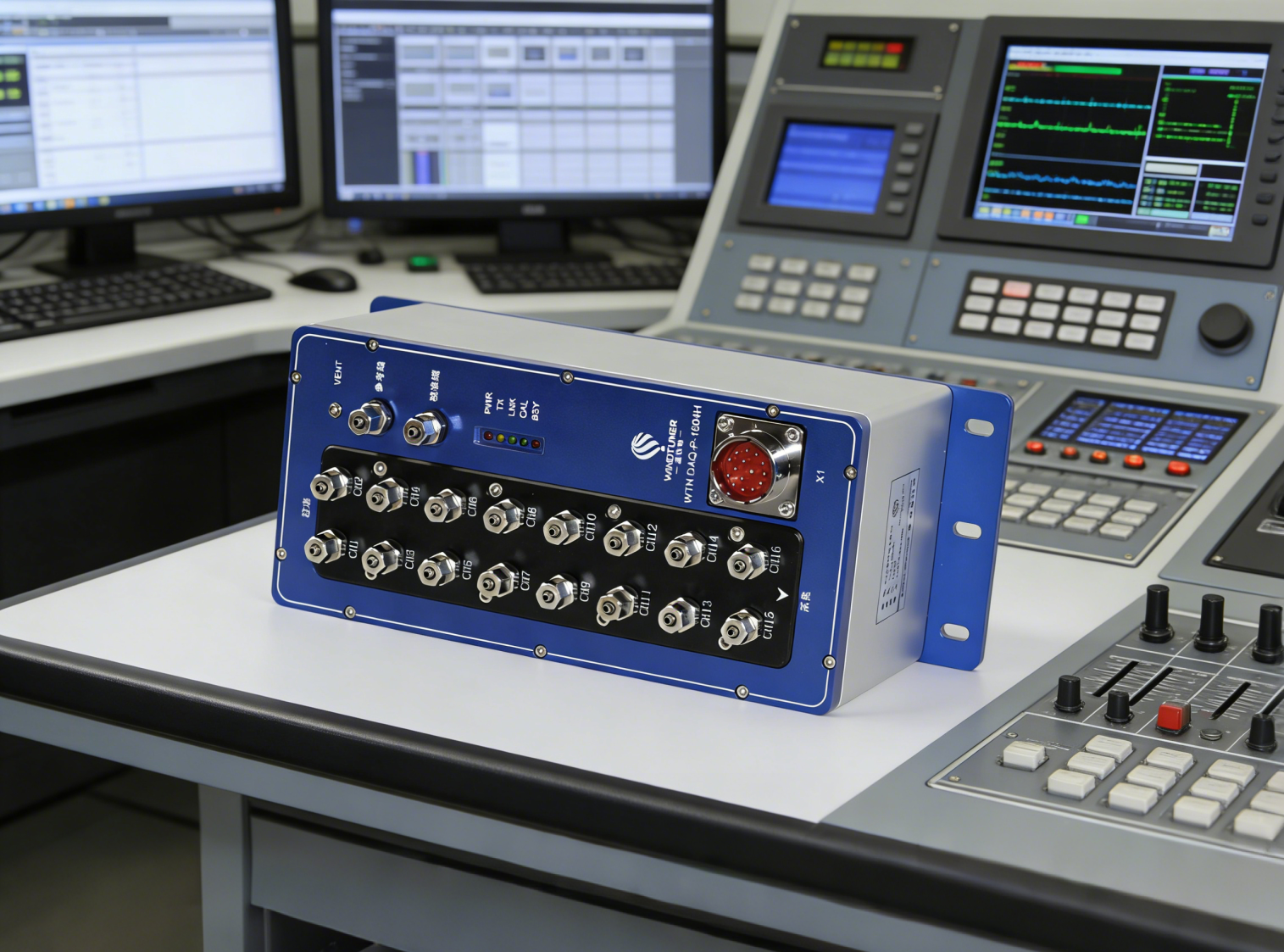
A Windtuner Ethernet Intelligent Pressure Scanner
Probes & Actuators: From five-hole probe configurations to precision electric actuators calibration, we help equip your sensors with repeatable accuracy.
The Metrological Anchor: Our calibration wind tunnel is accredited by CNAS. We use it to calibrate our pressure scanners and multi-hole probes, ensuring their traceability of collected data.
Top-Notch Measurement to Define Excellent Credibility
The massive fans and suspended hardware of the NFAC are impressive to look at, but they serve to obtain accurate and reliable data, just as much as the pressure scanner does. At Windtuner, we don't just sell sensors; we provide the complete flow field measurement and control solutions that researchers need to unravel uncertainty and build engineering knowledge.