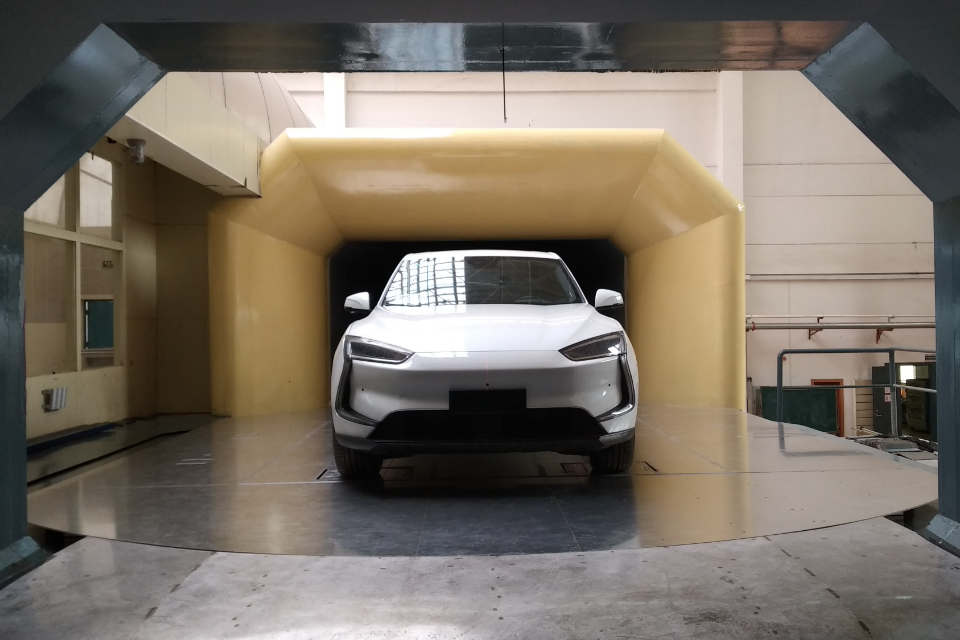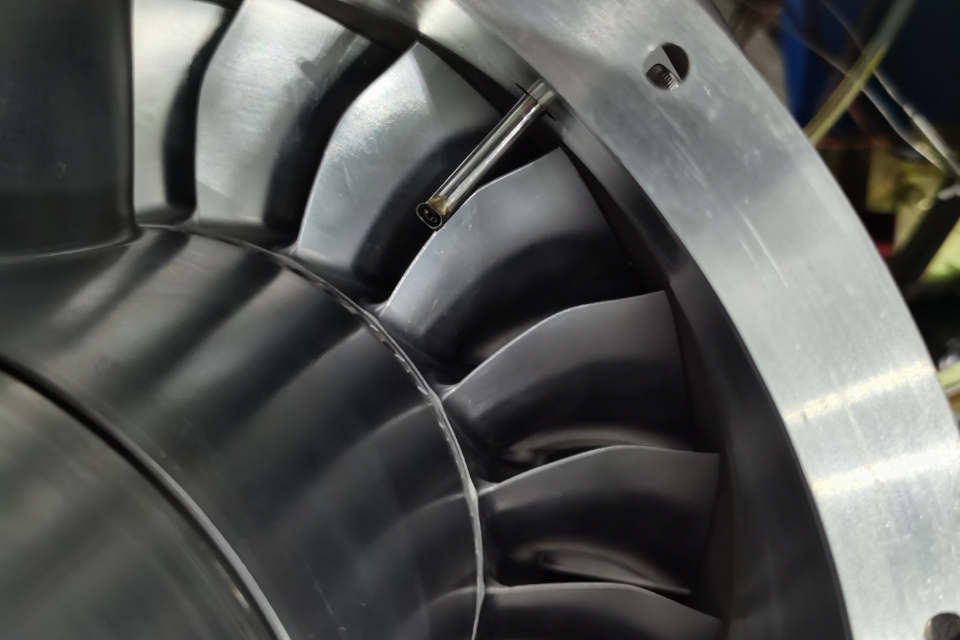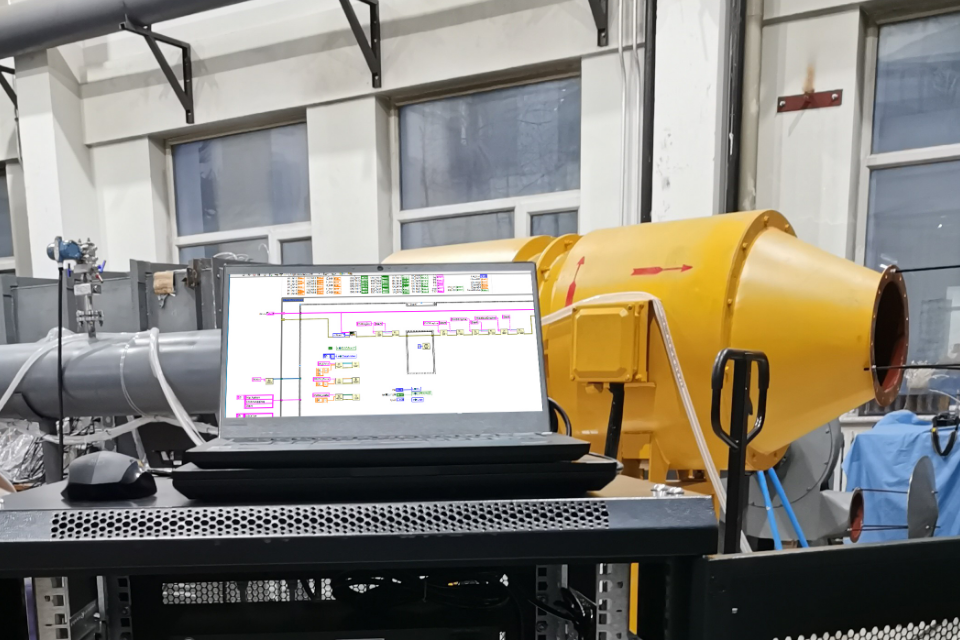

For instance, Chinese advocates of this trend has put great attention into small aircraft development, holding the 2025 Civil Aircraft Industry Experiment and Testing Conference this November. Windtuner successfully implements its years of aerodynamic expertise and exhibits new experience about non-conventional aircraft research. We exhibited and introduced our main products: The Ethernet Intelligent Pressure Scanner, the Five-Hole Differential Airspeed Probe and other devices. Our team put hard work into developing these devices vital in the development of low-altitude aviation. Starting from Chinese markets, to clients ranging from the US to Greece to India, Windtuner’s independent effort to perfect the stability and precision of our measurement devices have drawn broad attention and recognition from across the industry.
Opportunities in the Low-Altitude Economy and Flight Systems
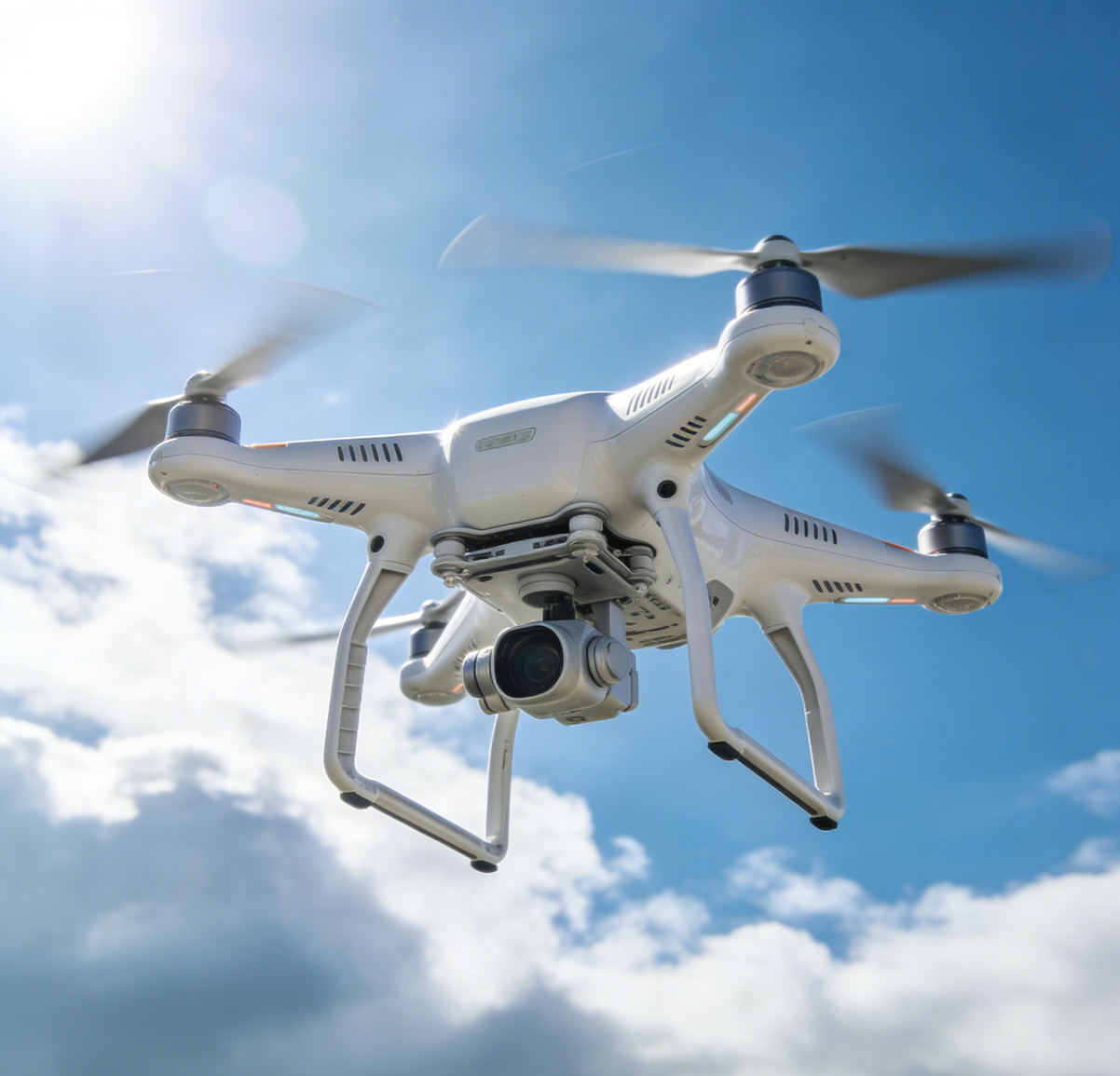
Have you ever ordered a package that arrived on a drone? Or maybe you’ve seen low-flying unmanned aircraft mapping a construction site or inspecting power lines? Ever watched breathtaking scenery videos filmed overhead? If so, then you’ve already experienced the services and capabilities brought by low-air economy.The term low-altitude economy refers to any aviation activities within the 0–1000m height range, including UAVs(unmanned aerial vehicles), low-altitude piloted flights like helicopters, and emerging applications such as drone delivery and air taxis. This is a really big change from traditional global aviation because it relies strongly on helicopter or drone transport & navigation etc., rather than planes and other high-speed aircraft. But drones are still a relatively new thing and lots of testing are due. Airspeed measurement and control systems have become a crucial passage to safe, efficient, and autonomous flight.
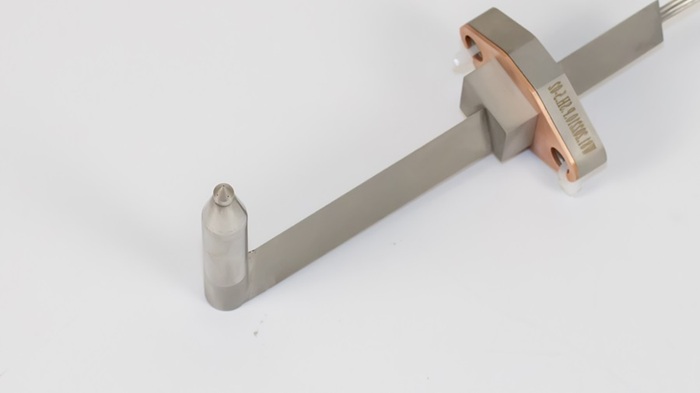
Airspeed probes provide data that support flight control, performance optimization, and stability management. In the context of low-altitude economy, air density, turbulence, and airflow conditions change sharply, so precise measurement is absolutely indispensable. Any mediocre pressure scanners would lose the important details in these scenarios.
Core Role of the Airspeed Probe in Low-Altitude Aviation
When operating within a flight system, the airspeed probe continuously measures airflow parameters to ensure accurate and stable flight. As drones implement the abilities of navigation, attitude adjustment, and automatic flight path correction, Windtuner’s airspeed probe returns increased real-time feedback of flight data. Said data further drives intelligent flight algorithms on its end, allowing it to better adapt to atmospheric conditions, for example, terrain.
In modern flight management systems, airspeed data integrate with GPS, pressure, and temperature readings to optimize performance and enhance safety. Airspeed probes ensuring that every flight remains predictable and controllable in real operations.
The Technical Edge of Windtuner’s Five-Hole Differential Airspeed Probe
Windtuner’s Five-Hole Differential Airspeed Probe combines the aerodynamic precision of a five-hole probe with the robustness of an airspeed tube, forming a compact, high-performance air data instrument. Its design minimizes measurement errors caused by turbulent or off-axis flows and delivers superior accuracy even in complex aerodynamic environments.
This advanced probe provides a full suite of parameters including altitude, calibrated and true airspeed, angle of attack, sideslip angle, static pressure, dynamic pressure , total air temperature, static temperature and so on. By integrating this probe into your measurement system, you gain an comprehensive pressure measurement solution that combines data acquisition, analysis, and processing.
Windtuner implements intelligent algorithms into our probes to enable some of our major functions. By intelligent, we refer to real-time aerodynamic data analysis and predictive performance assessment, the basis for aircraft to adjust their flight paths and improve overall flight efficiency.
The Role of Pressure Scanners in Low-Altitude Flight Systems
Pressure scanners take the center stage in low-altitude flight systems because they are the collectors and processors in experiments. Flight control algorithms rely on this aerodynamic data to work and improve. UAVs set their wings into logistics, inspection, and short-range mobility fields, creating differentiated needs for each specific mission. Engineers need flexible and accurate air data collection in each of these turbulent environments. Windtuner pressure scanners answer this demand with stable, high-frequency pressure acquisition even in dense or low-speed flights. By integrating 24-bit A/D conversion, 500 Hz sampling, and IEEE1588V2 time synchronization capabilities, Windtuner pressure scanners generate clean, time-aligned data streams that support real-time decisions in both experimental setups and operational vehicles.
Bright Outlook and Deep Participation in Market Escalation
Market studies forecast that global demand for UAVs and experimental aircraft will grow exponentially in the coming years, it’s safe to say pressure scanners and airspeed probes right behind them. With the expansions in low-altitude economy, Windtuner researchers are confident about improving our ability to obtain accurate aerodynamic data through reliable measurement systems. We house three Wind Tunnel Laboratories to examine and calibrate products, all accredited by CNAS. Each probe and pressure scanner undergoes strict factory calibration in said wind tunnels, ensuring clients receive instruments ready for immediate deployment.

The integration of I.advanced manufacturing techniques, II.continuous performance refinement, and III.global client service, is the secret to Windtuner’s special product advantage, hence our far-reaching influence in the international air measurement market.
As low-altitude economy enters the next phase, accurate flow field measurement becomes the staircase(or more like runway) towards swift and efficient flight. For example, Windtuner’s Pressure Scanner and Five-Hole Differential Airspeed Probe exemplify how advanced measurement and control can guide the limitless growth of intelligent flight. The low-air economy market size is estimated to more than double and reach 163.60 billion dollars by 2030, a soaring trend that is definitely worth catching on to. And for any client that wants to design its own edge-cutting aircraft, here is a complete solution.