
Windtuner Ethernet Intelligent Pressure Scanners take raw pressure signals and turn them into organized, time-stamped data. In engine testing, turbine performance work, and wind tunnel experiments, a pressure sensor that simply reads values is not enough. Engineers need a system that samples every channel at once, timestamps each reading, and moves the results over a network that scales with the rig. That is what Windtuner built.
Why Ethernet Scanners Work Better Than Rack-Mounted Systems
Older pressure measurement meant rack-mounted scanners bolted to dedicated DAQ hardware, each with its own cables and software drivers. Fitting these into a modern test cell meant sorting out connector mismatches, signal conditioning cards, and proprietary protocols that locked the lab to one vendor. Windtuner Ethernet Intelligent Pressure Scanners cut through that by using standard TCP/IP and UDP. Each unit holds 16 pressure channels in a compact housing, and multiple units network together through Ethernet switches with no special interface cards needed.
The 24-bit A/D resolution gives enough dynamic range to catch both the faint pressure changes in low-speed flow and the sharp spikes during engine inlet distortion testing. At up to 500 Hz per channel, the scanner keeps up with the time scales that show up in compressor cascade work and turbine blade cooling studies. IEEE1588V2 Precision Time Protocol support means every unit in a multi-device network shares one clock. When a compressor test calls for forty or fifty synchronized pressure channels spread across the inlet and exit, that clock alignment turns a group of sensors into a single coherent measurement system.
Calibration That Lives Inside the Hardware
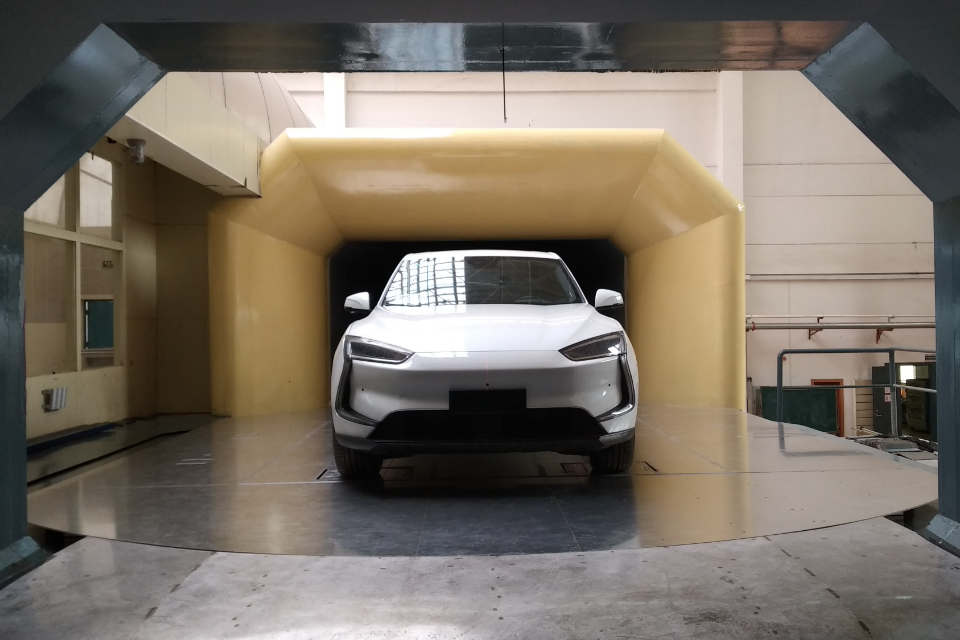
An accuracy number means nothing without traceable calibration behind it. Windtuner pressure scanners carry an accuracy rating of ±0.05% FS, and that rating comes with actual verification. Each scanner ships with factory calibration done in Windtuner calibration wind tunnels, the first private facility in China accredited by CNAS for this type of work. The internal pneumatic system runs zero calibration, full-scale calibration, and multi-point calibration routines that the operator starts through WindLabX software or through commands over the network.
This matters because pressure transducers drift, and temperature swings in a test cell make it worse. With a built-in calibration path, the operator can check accuracy without pulling the scanner off the rig and shipping it to a metrology lab. For long test campaigns like compressor map surveys or extended wind tunnel bookings, that means less downtime and more consistent data from the first run to the last.
Scanners in Real Test Setups
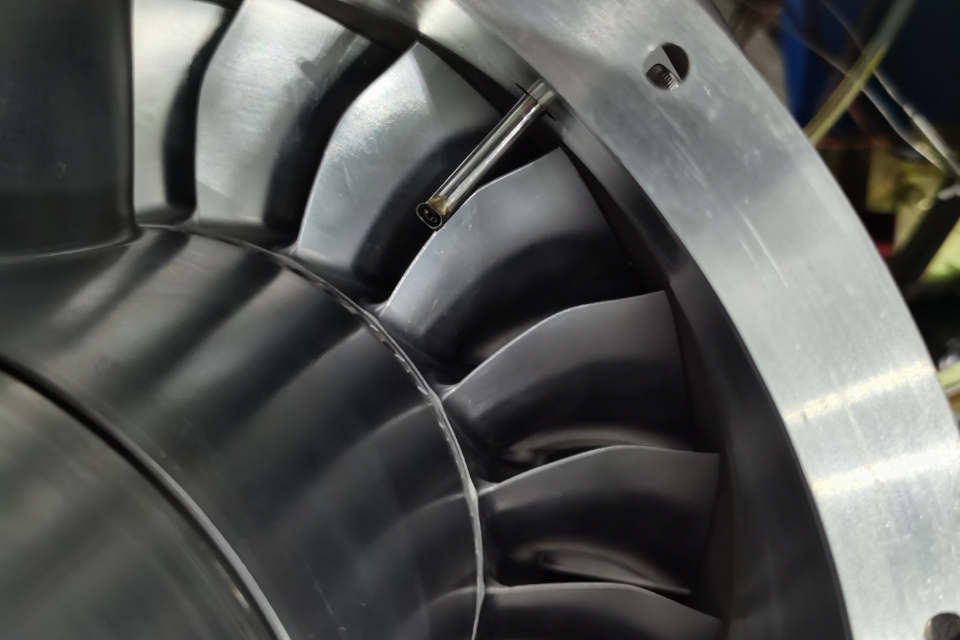
Windtuner pressure scanners show up in a range of applications that exercise different parts of their capability. On compressor test benches, they plug into existing network infrastructure and feed pressure data into evaluation software without middleware or protocol converters. In cascade wind tunnel tests, the synchronized multi-channel setup lets research teams map the three-dimensional flow field between blade rows in one run, using five-hole probes and pressure scanners working together.
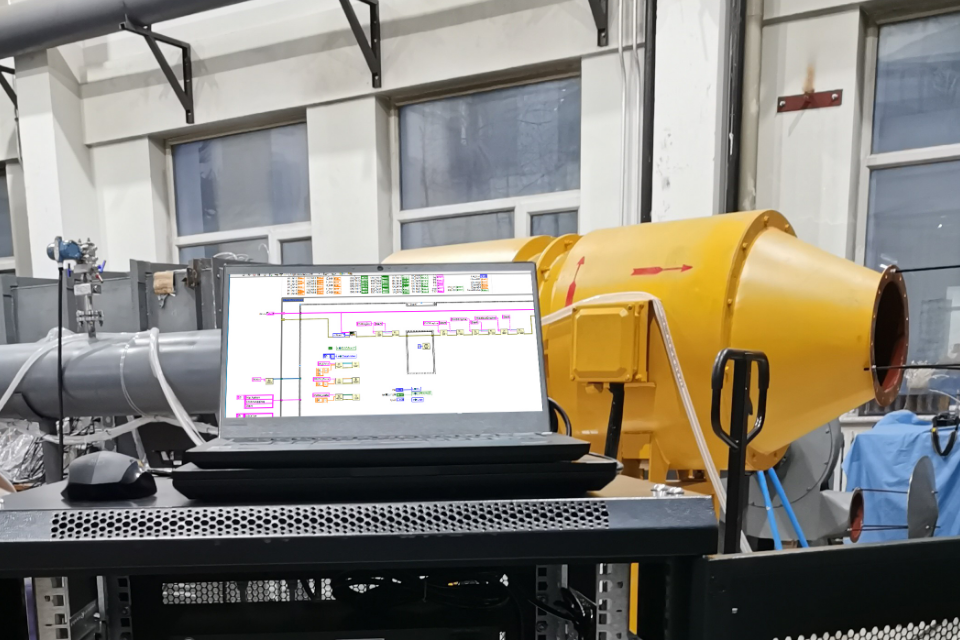
Engine inlet distortion testing needs time-synchronized pressure readings from dozens of taps around the circumference. The IEEE1588V2 clock in Windtuner scanners keeps those readings aligned, so the distortion pattern in the data comes from the actual flow physics, not from clock drift between instruments. WindLabX measurement and control software collects the scanner output, applies calibration, and plots flow field maps that let engineers spot regions of flow separation or non-uniform inlet conditions.
Built for Long Test Campaigns
Before Windtuner clears any product prototype for mass production, it goes through more than 10,000 hours of endurance testing. The operating temperature range covers -30°C to 60°C on the extended option, which handles most lab and outdoor test environments. Remote firmware updates let engineers apply improvements without physically reaching each unit, a real advantage when scanners sit in tight spots inside a wind tunnel test section or on a test rig.
Whether a project calls for a single 16-channel unit on a small rig or a networked array across an entire compressor stage, Windtuner Ethernet Intelligent Pressure Scanners give research programs the accuracy, integration, and calibration traceability to rely on their data.