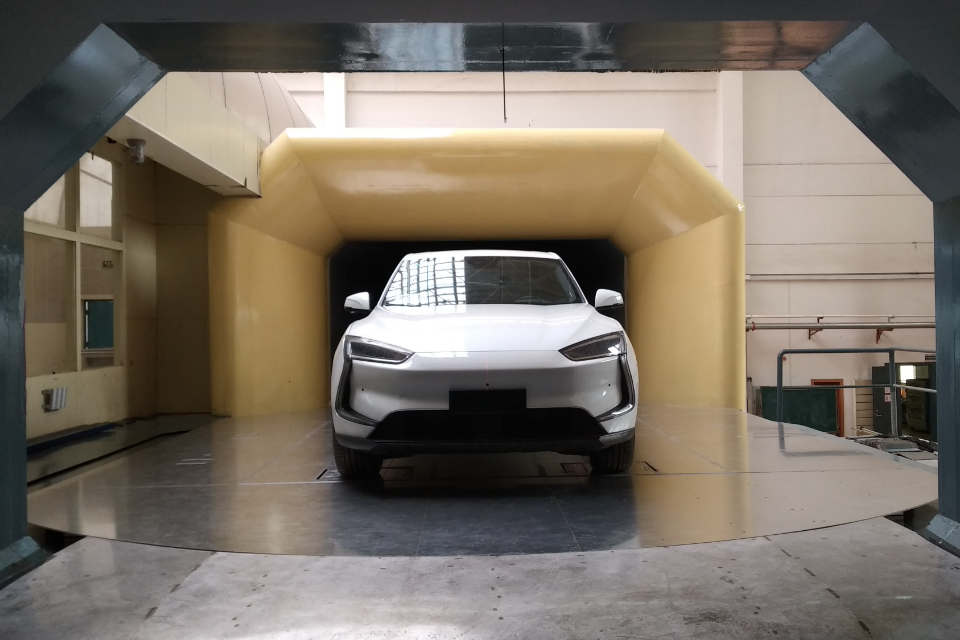
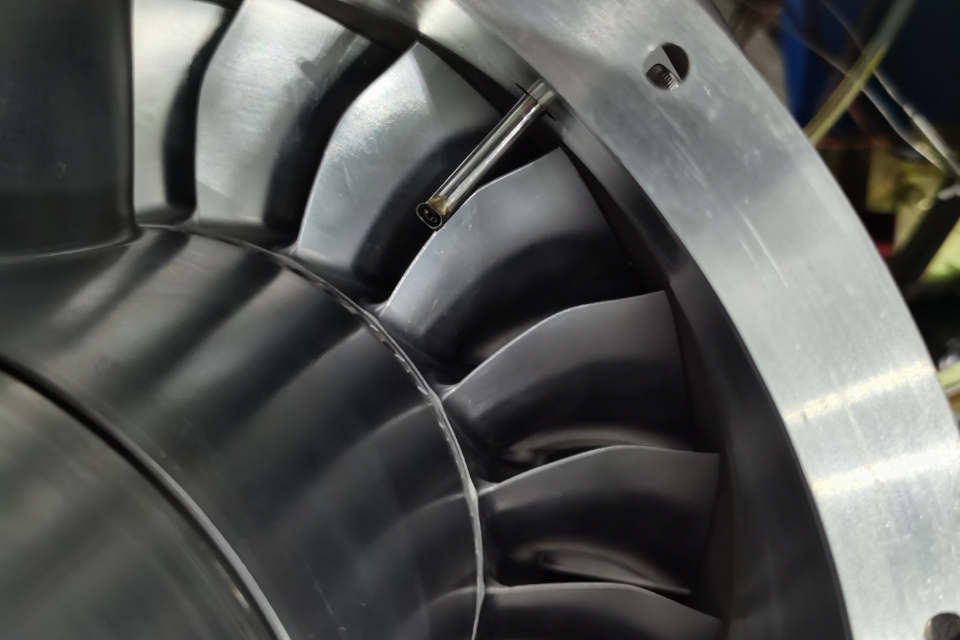
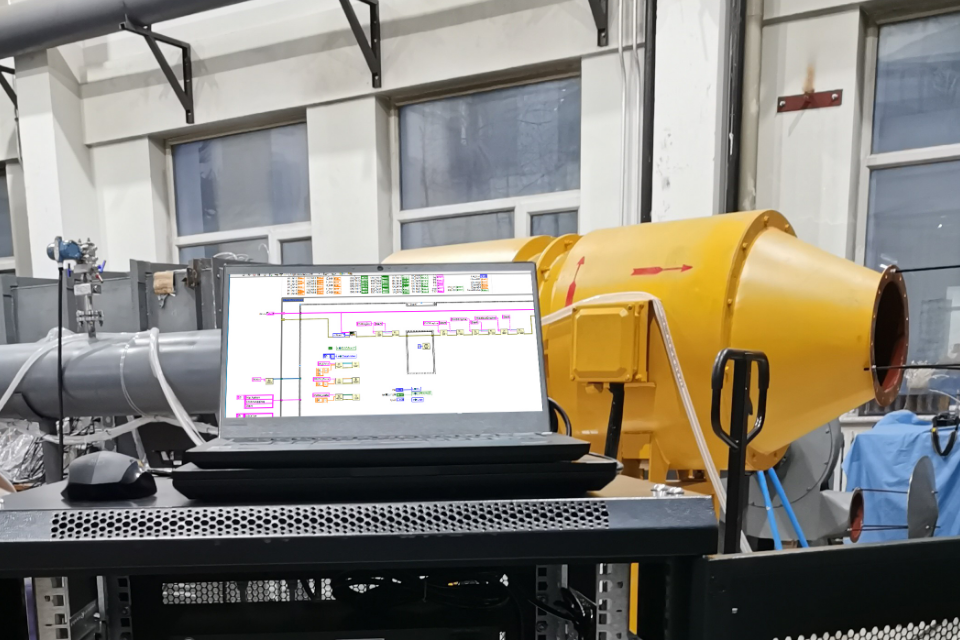
When a wind tunnel lab sources its instrumentation, the procurement process often fragments into separate purchase orders: a pressure scanner from one vendor, pneumatic probes from another, an electric actuator from a third, and measurement software built in-house or patched together from open-source tools. Each component arrives with its own communication protocol, its own calibration curve, and its own learning curve for the engineering team. Windtuner builds all of these products under one roof, and the result is a production chain that eliminates the integration headaches of a multi-vendor test setup.
The Difference of One Supplier Building the Whole Chain
Windtuner covers the production of ethernet intelligent pressure scanner, probes, electric actuators that moves those probes through the test section, motion controllers, and the measurement and control software that ties it all together. The pressure scanners connect over our standard ethernet establishment and deliver synchronized data at ±0.05% FS accuracy across every channel. WindLabX, the measurement software, reads every scanner channel without extra drivers or middleware. You plug the hardware into the network, open the software, and the data shows up on screen. The probes, whether standard five-hole and seven-hole models or a custom geometry that a client's application demands, ship with factory calibration performed in Windtuner’s CNAS-accredited calibration wind tunnel. The traceability chain for the hardware and the calibration certificate stays under one organization.
For clients who need probes that do not exist in any catalog, Windtuner works with German engineering partners to produce custom designs using micron-level additive manufacturing. The same facility that prints the probe tip also calibrates it before shipping. That closed loop between manufacturing and calibration is hard to replicate when the probe maker and the calibration service operate in different countries under different quality systems.
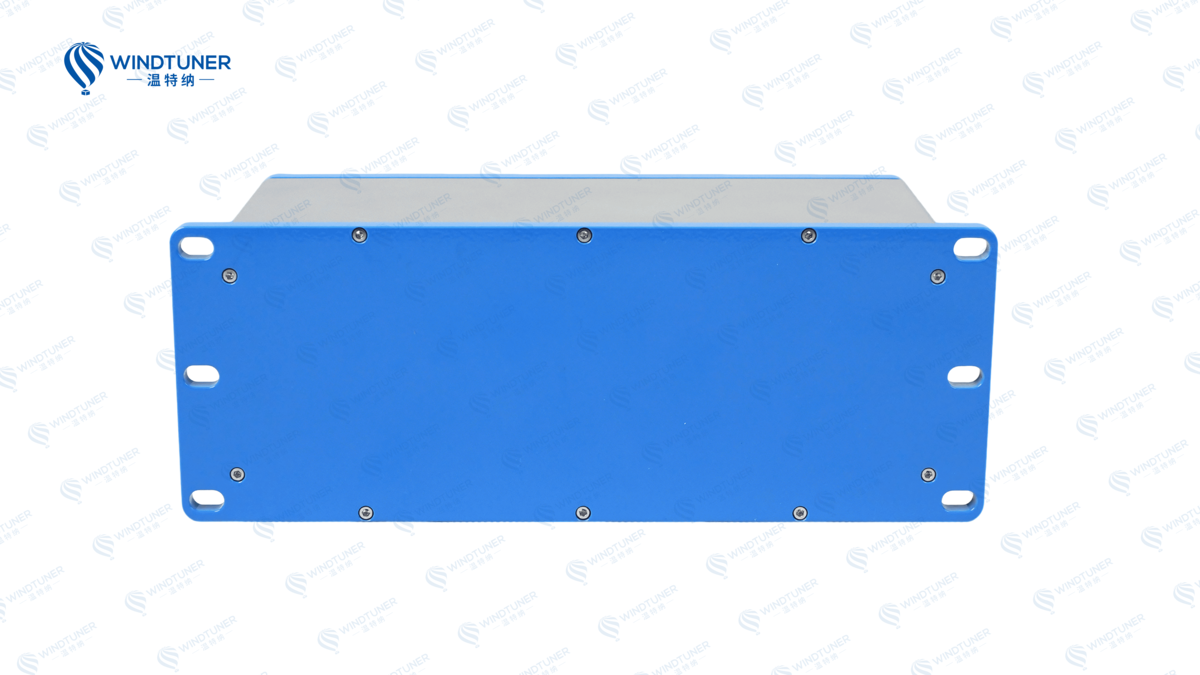
The Sturdy Basis of a Pressure Scanner
In practice, the single-supplier setup removes a layer of integration friction. A cascade wind tunnel experiment provides a good example: the actuator steps a five-hole probe through a grid of measurement points at 0.2, 0.4, 0.6, and 0.8 Mach while the pressure scanner records at each station and WindLabX logs the results. One software environment drives the whole sequence.
Calibration Under One Roof
Windtuner operates the first CNAS recognized private calibration wind tunnel laboratory in China under protocol ISO/IEC 17025. The facility holds supersonic, subsonic, and low-speed tunnels. When a client sends probes for recalibration or orders new ones with factory certificates, the work runs on the same equipment and procedures used for Windtuner’s own production validation.
Why a Single Production Chain Changes the Math
For lab managers running compressor test benches, engine inlet distortion rigs, or aerodynamic research tunnels, the practical benefit of Windtuner’s integrated production chain is reduced project risk. Fewer vendors mean fewer contracts to negotiate, fewer delivery schedules to track, and fewer integration problems to debug when the system goes live for the first time. If a pressure channel reads unexpectedly during a test, there is one phone call to make, not three. If a probe needs recalibration mid-campaign, the same facility that manufactured it handles the work. From the Ethernet pressure scanner at the data acquisition rack to the calibration wind tunnel that verified it, Windtuner delivers a full-spectrum test infrastructure built around one standard of accuracy and one point of accountability.