
I. Tackling Three Core Challenges in Flight Testing
1) Limited Onboard Space vs. Hundreds of Measurement Points
A single aircraft engine often requires hundreds of aerodynamic pressure measurement points, accounting for more than half of all test parameters. Typical setups typically use one pressure sensor and one signal cable per point, creating an oversized, cable-dense installation that consumes valuable onboard volume.
Windtuner pressure scanners consolidate dozens of pressure points into a compact module that replaces numerous discrete sensors. Each unit integrates 16 measurement channels in a small form factor, driving a highly compact test architecture and easing space constraints inside the aircraft.
2) Water Intrusion and Icing in Pressure Tubes
Engines undergo high-altitude testing in environments that may drop below −40°C. When aircraft pass through clouds containing supercooled droplets, water intrusion and rapid icing can block pressure lines. Traditional sensors struggle under such conditions and often produce distorted or interrupted signals.
Windtuner pressure scanners incorporate an engineered purge function designed to clean, protect, and maintain the pneumatic system. By injecting clean, dry gases such as nitrogen or filtered air, the scanner flushes dust, oil, moisture, and other contaminants from pressure lines and sensing chambers. Purging through the whole system also forms a slight positive pressure barrier that shields the sensing modules from high-temperature, particle-laden, or corrosive airflow. This design plays a decisive role in maintaining measurement accuracy and the long-term durability of the scanner during demanding engine tests.
3) Reliable Data Under Harsh Flight Conditions
Flight tests require accurate aerodynamic data under intense vibration, extreme temperatures, and rapidly changing pressure loads. Windtuner pressure scanners integrate high-accuracy micro-pressure sensing elements and proprietary calibration algorithms. These capabilities, supported by Windtuner’s rigorously validated calibration system in the Wind Tunnel Laboratory, achieve strong linearity, repeatability, and low temperature drift across the full scale. Windtuner scanners sustain accurate output even in cold-air, high-vibration test environments.
II. Technical Advantages of Windtuner Pressure Scanners
1) High-Accuracy Calibration System
Windtuner operates a calibration laboratory accredited by CNAS and aligned with ISO/IEC 17025:2017. The laboratory runs full-traceability calibration procedures covering zero, span, and nonlinearity tests. Windtuner has repeatedly participated in national metrology comparisons, reinforcing confidence in data reliability and measurement traceability for high-stakes aircraft engine testing.
2) Modular Architecture Optimized for Flight Platforms
Windtuner designs pressure scanners with a modular structure consisting of the core measurement module, control module, and heating/purge modules. These modules can be configured to match the space and interface conditions of different aircraft platforms. Windtuner scanners support Ethernet communication and integrate seamlessly with onboard data acquisition systems across different aircraft programs.
3) Wide Temperature Capability and Environmental Adaptability
Windtuner pressure scanners use a metal-sealed structure with a −30°C to +60°C operating range. An onboard temperature compensation algorithm continuously adjusts for environmental fluctuations to maintain stable, accurate output in extreme conditions.
4) Integrated Data Acquisition and Analysis
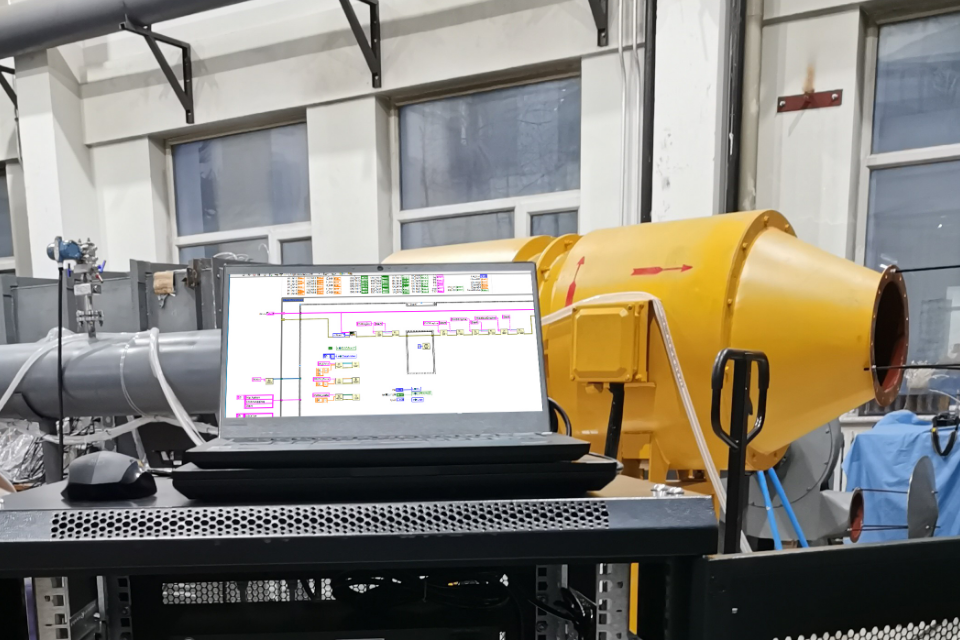
Windtuner’s measurement and control software delivers real-time monitoring, smart zero calibration, automated compensation, high-resolution visualization, and anomaly identification. Clients make faster decisions and have better data at hand throughout complex test campaigns.
III. A Growing Role in Aircraft Engine R&D
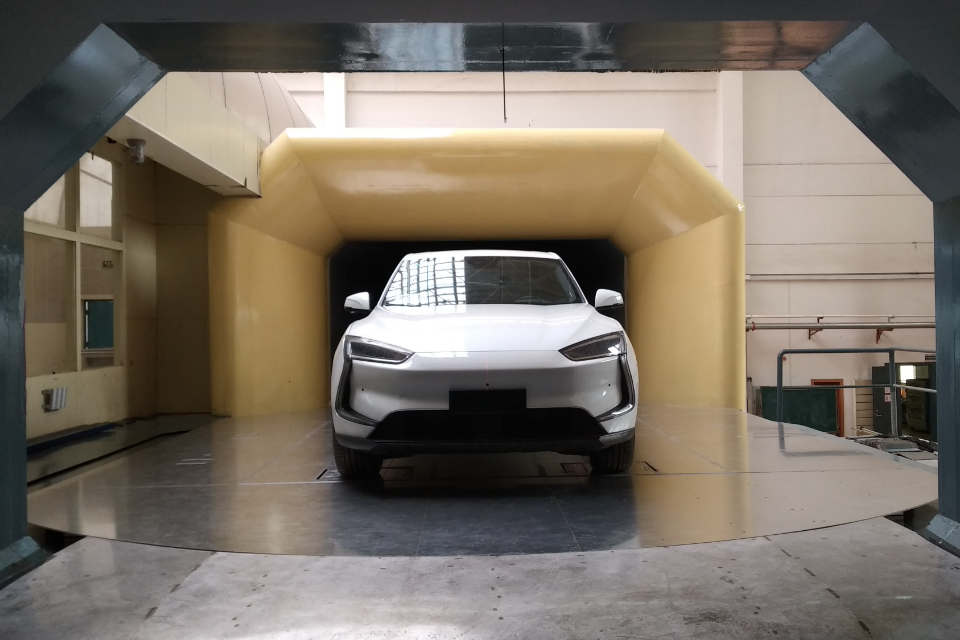
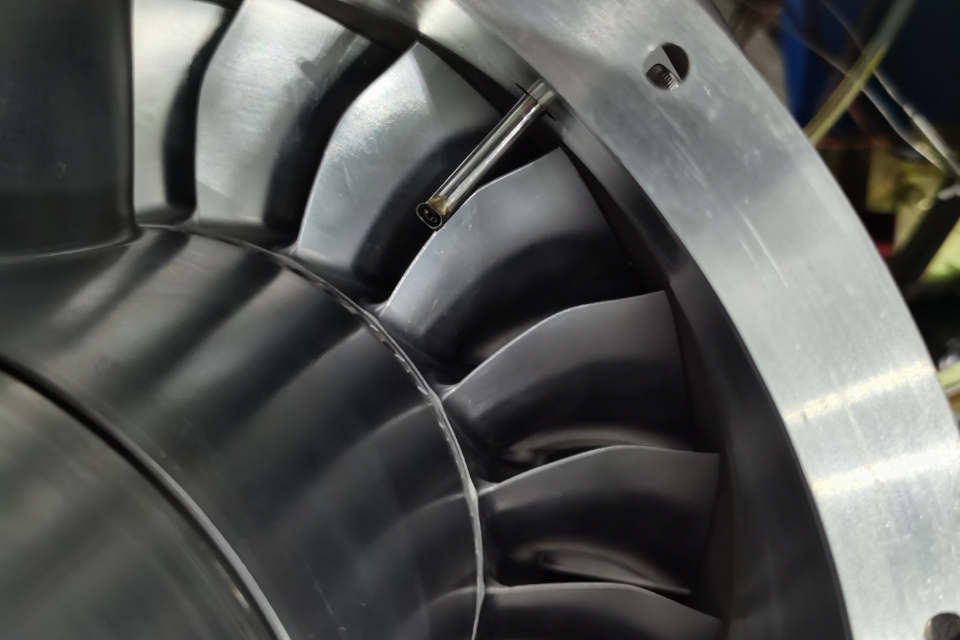
As aircraft engines embrace more advanced and increasingly complex architectures, we encounter a greater number of test points that need measurement. Windtuner pressure scanners, defined by accurate sensing, integrated design, and strong environmental readiness, are rapidly becoming a key measurement tool in engine aerodynamics. With proven performance across calibration wind tunnels, ground test stands, and flight test programs, Windtuner has built a complete chain ranging from probes and pressure scanners to calibration systems and measurement and control software.
Windtuner is a trustworthy supporter for clients pursuing independent, accurate and efficient flow field measurement in advanced aircraft R&D.