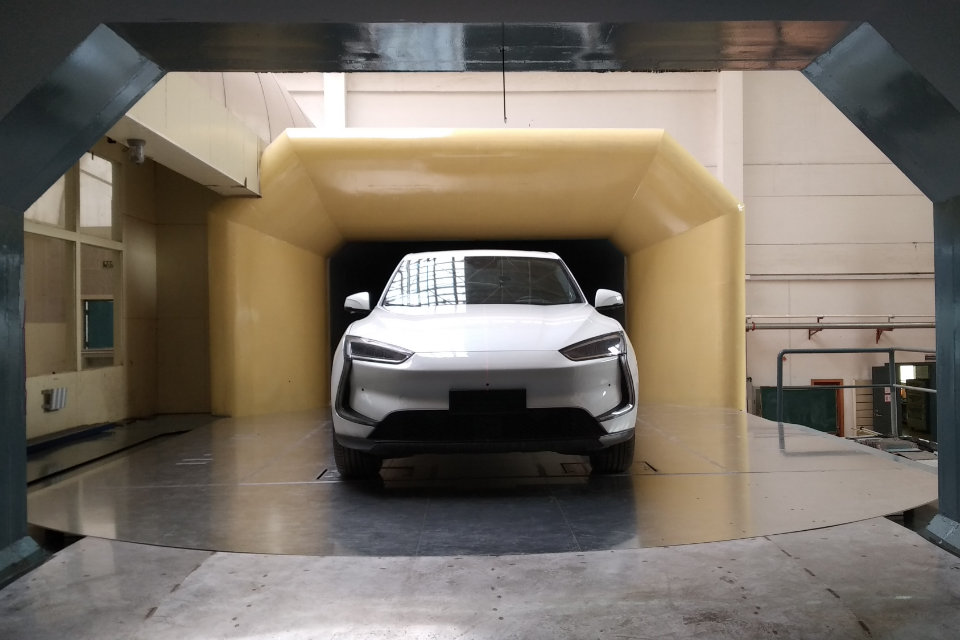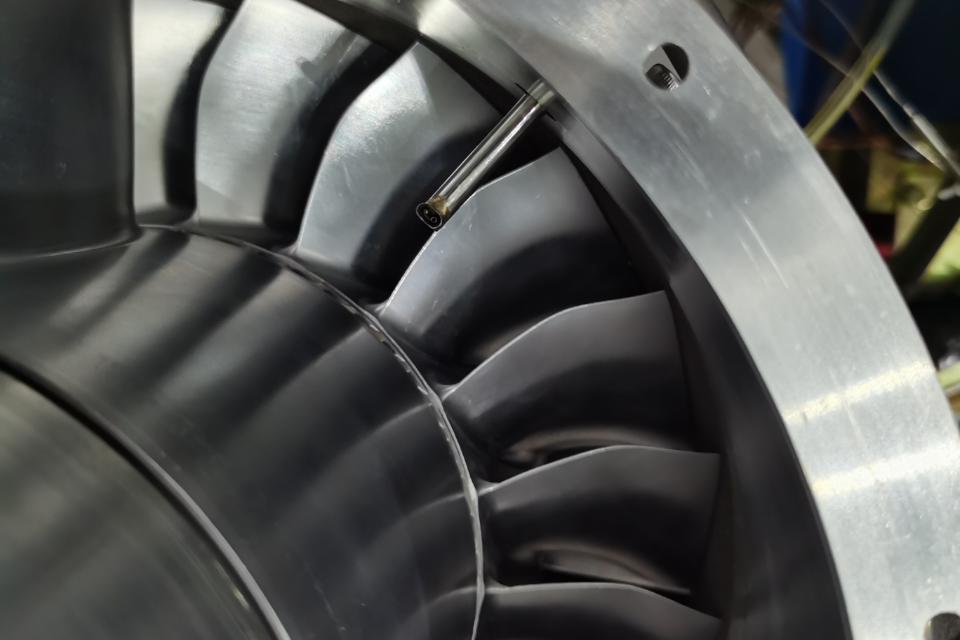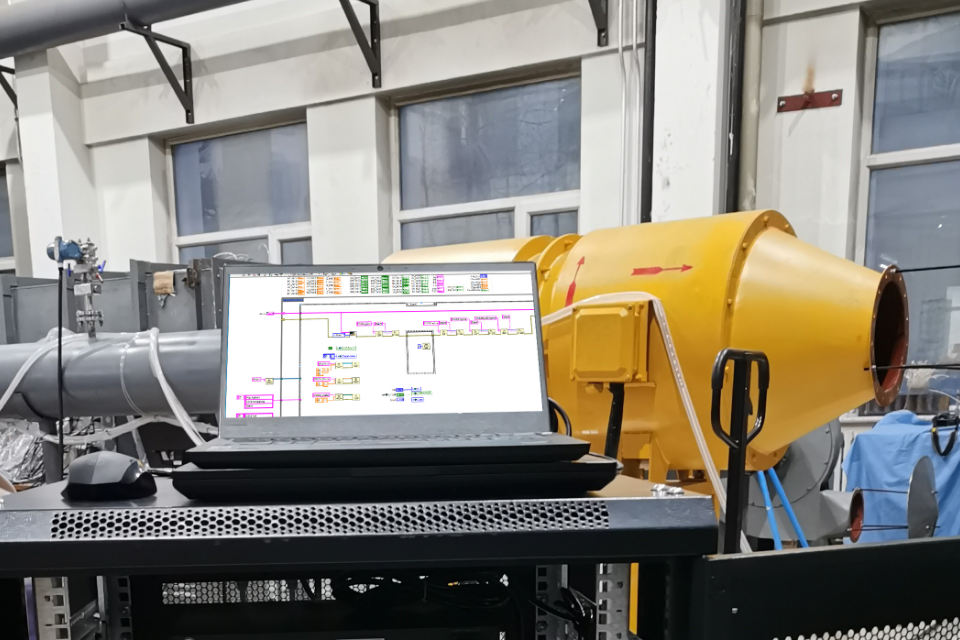

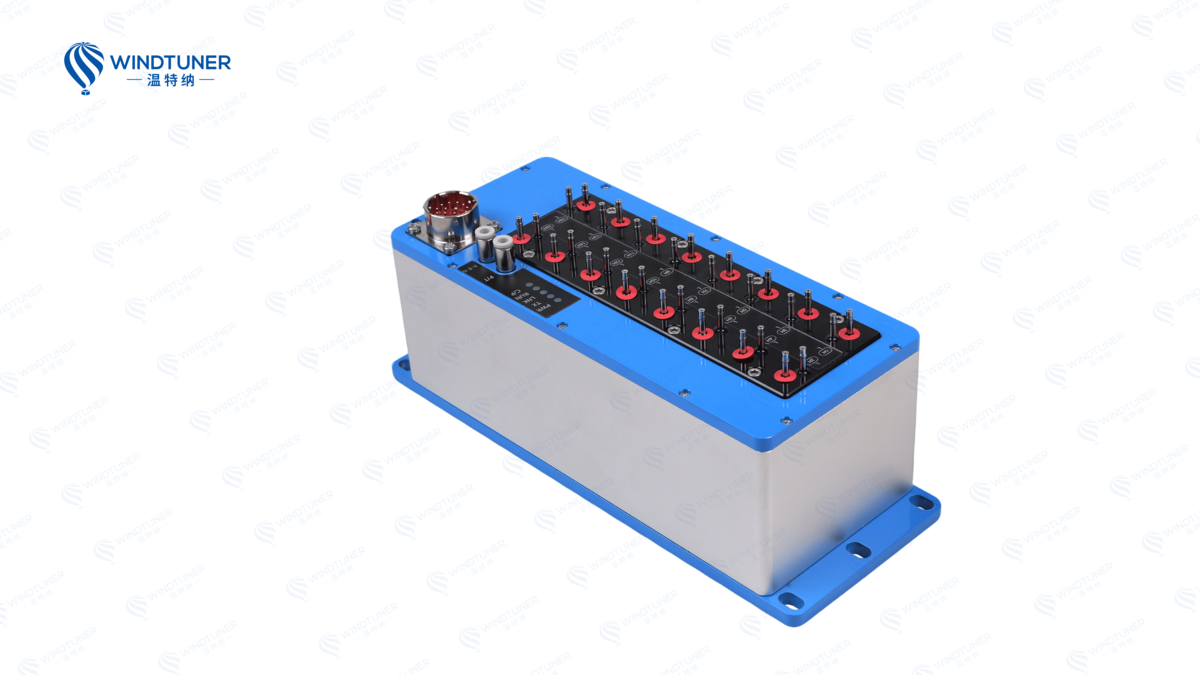
A differential pressure scanner measures the pressure difference between two locations. In wind tunnel, engine, and other development tests, that difference may be more useful than the pressure at either point alone, particularly when engineers need to track it as conditions change. WINDTUNER differential pressure scanners integrate an array of differential pressure sensors with data acquisition and communication functions, bringing multiple differential pressure measurements together for flow analysis and test comparisons.
Getting a difference from two pressure inputs
A differential measurement starts with two defined pressure sources. Each pressure is routed to the corresponding side of a differential pressure sensor. The sensor responds to the difference, and the acquisition circuitry converts that response into data that can be recorded. The result describes the pressure relationship between two specified locations.
The tubing connections and the sign convention for the difference need to match the test plan. This gives positive and negative readings a clear meaning when interpreting changes at the two locations. Select the range for the expected differential pressure, and check that the pressure at each input also meets the equipment requirements. A small difference alone does not establish that a configuration is suitable.
The tubing connections and the sign convention for the difference need to match the test plan. This gives positive and negative readings a clear meaning when interpreting changes at the two locations. Select the range for the expected differential pressure, and check that the pressure at each input also meets the equipment requirements. A small difference alone does not establish that a configuration is suitable.
Where multiple differential measurements are useful
In a wind tunnel test, pressures from different regions of a model may need to be compared with a reference pressure, or the test may call for a direct comparison between specified locations. Defining those pairs allows multiple differential measurements to be arranged around the available pneumatic connections. The readings can then be tracked as the incoming flow or model conditions change. How the reference pressure is supplied depends on the equipment interfaces and test layout.
Pneumatic probes also supply pressure signals. A multi-hole probe responds to airflow through its pressure ports; the acquisition equipment records the signals, and suitable calibration relationships are used to calculate flow parameters. WINDTUNER differential pressure scanners can be used in tests such as differential pressure airspeed probe calibration. The required inputs, connections, and calculations depend on the device being tested.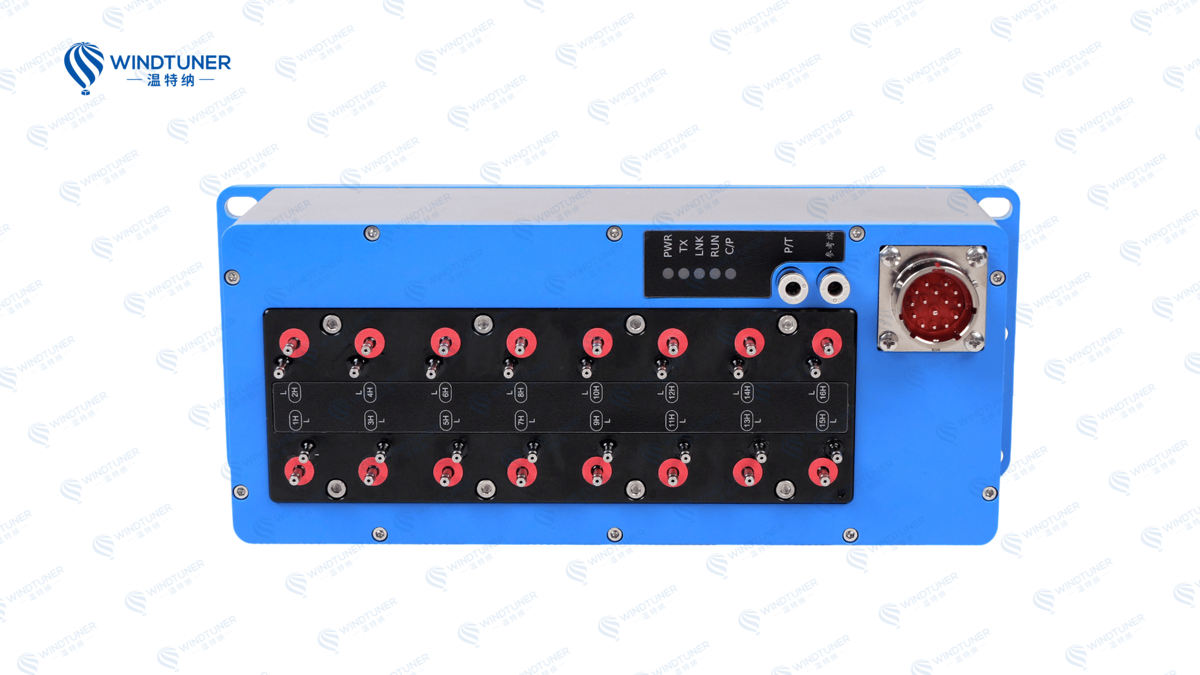
Bringing several pressure measurements into one instrument makes acquisition and data transfer easier to coordinate. Where a test uses several devices, their records also need to be compared at corresponding times. WINDTUNER differential pressure scanners support timestamp output and the Precision Time Protocol, with configurations that can be discussed against the synchronization requirements of the test.
Pneumatic probes also supply pressure signals. A multi-hole probe responds to airflow through its pressure ports; the acquisition equipment records the signals, and suitable calibration relationships are used to calculate flow parameters. WINDTUNER differential pressure scanners can be used in tests such as differential pressure airspeed probe calibration. The required inputs, connections, and calculations depend on the device being tested.
Bringing several pressure measurements into one instrument makes acquisition and data transfer easier to coordinate. Where a test uses several devices, their records also need to be compared at corresponding times. WINDTUNER differential pressure scanners support timestamp output and the Precision Time Protocol, with configurations that can be discussed against the synchronization requirements of the test.
From sensor response to test records
WINDTUNER differential pressure scanners provide temperature drift compensation and error correction. They also support internal zero calibration, full-scale calibration, and custom multipoint calibration. These functions address the measurement performance of the scanner itself. Calibrating a pneumatic probe in a wind tunnel establishes a different relationship, between the flow and the probe response. Both calibration tasks need to be considered when setting up the test.
The instrument transmits data over a network to a host computer and supports software, hardware, and timed triggering. Engineers can set the acquisition start and recording duration for steady-condition tests or for tracking changes during a test. The accompanying measurement and control software provides device management, data acquisition, storage and review, and parameter settings for checking readings and retrieving records.
Before any data reach the software, the pressure has to pass through the measurement ports, connections, and tubing to the instrument. Checking seals and keeping the pressure paths clear helps ensure that the sensors receive pressure from the intended points. For faster changes, assess the response of the tubing and equipment together. Sampling frequency alone does not describe the behavior of the complete setup.
To specify a differential pressure scanner, tell WINDTUNER where the two pressure inputs come from, the expected pressure difference, the number of measurement points, and the recording requirements. These details guide the range, tubing, and software configuration. WINDTUNER can combine pressure scanners with probes, calibration services, and measurement and control equipment so that the recorded differences can be related to specific points and test conditions.