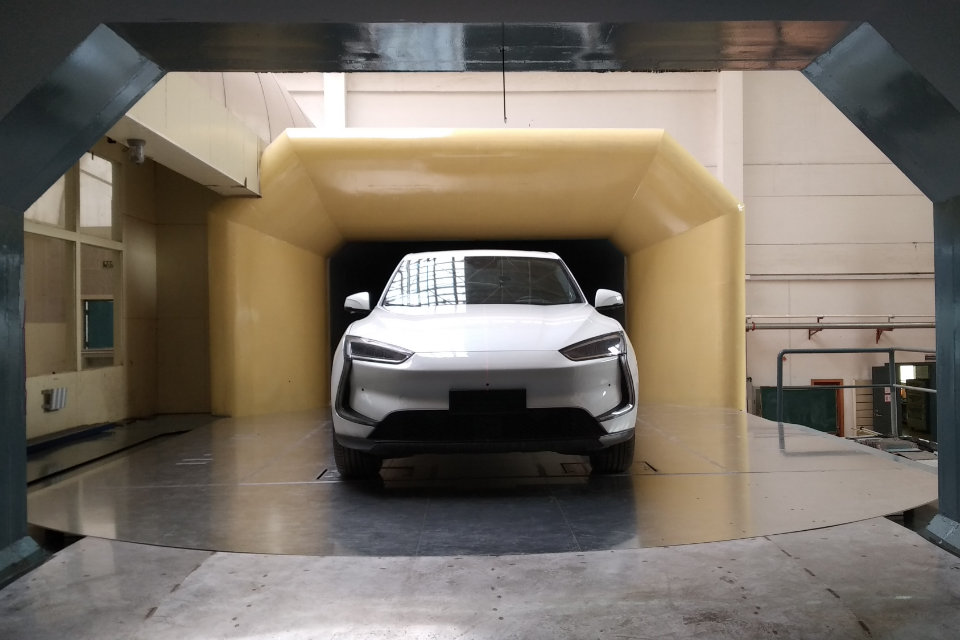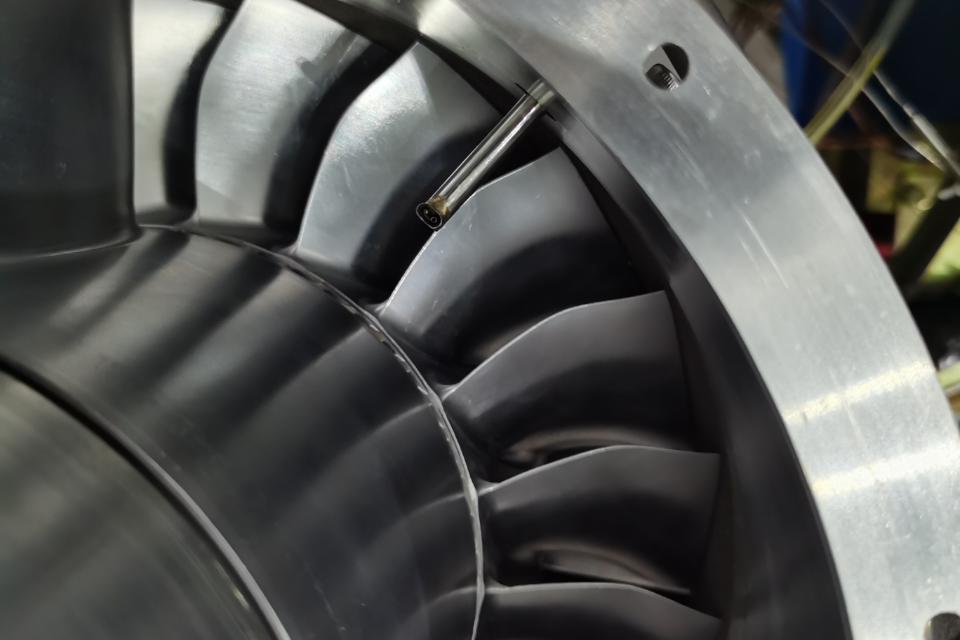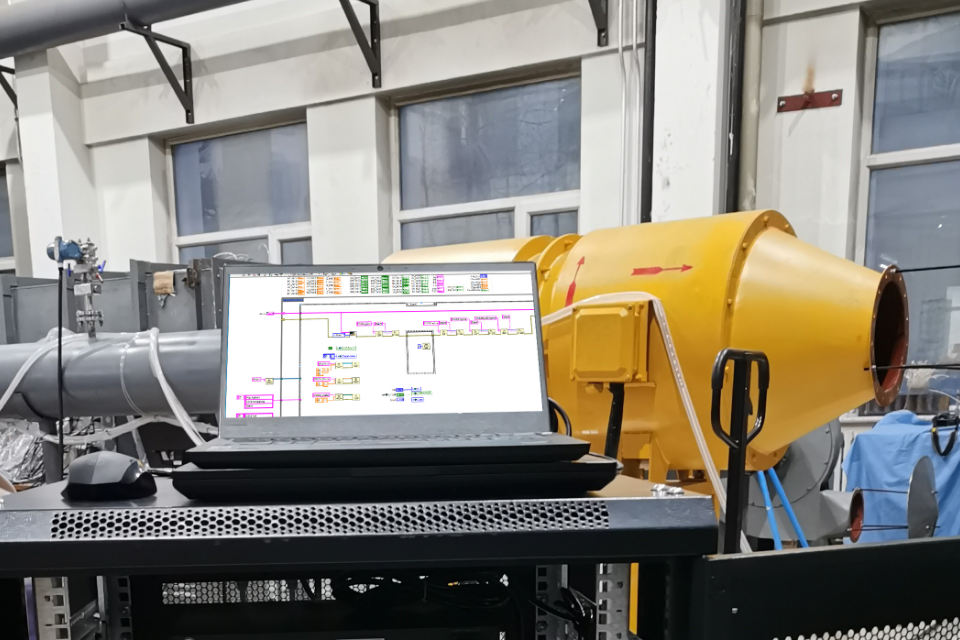

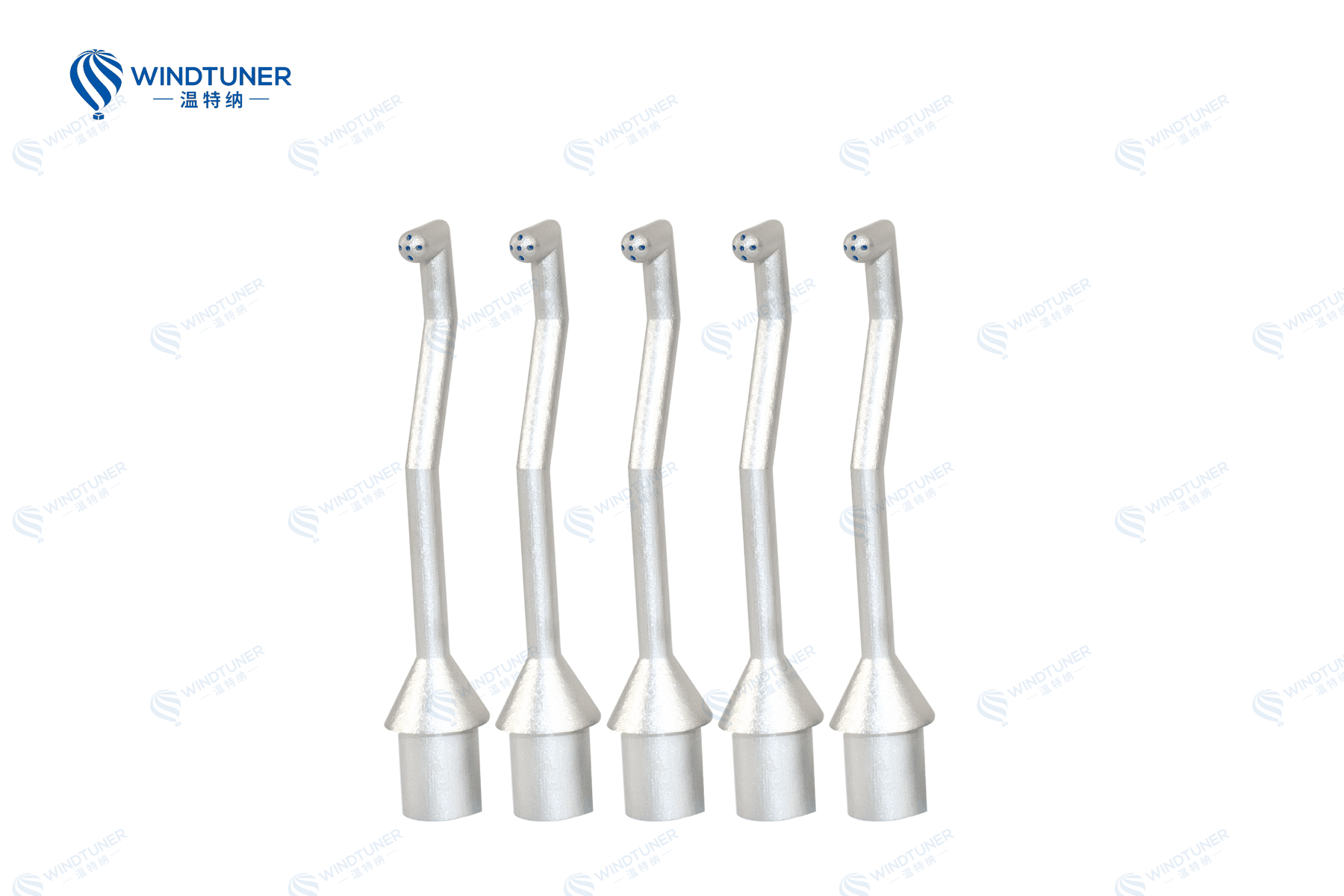
A custom probe for flow measurement starts with what needs to be measured and where the measurement will be made. Those details are usually more useful than choosing a tip shape first. Two probes with the same number of pressure ports may need different designs because the test space, temperature, or flow direction differs. WINDTUNER can customize probe materials, shape, port count and diameter, tip size, stem length, and mounting arrangements. A clear description of the test helps identify design constraints before they become installation problems.
Define the Data You Need
Total pressure, static pressure, temperature, flow velocity, and flow angle place different demands on the probe and supporting equipment. When discussing a design, state which parameters the test needs, which will be measured directly, and which will be calculated from pressure signals and calibration data. Asking for an airspeed measurement alone is not enough to define the setup. Explain whether flow direction matters and whether the flow has significant three-dimensional features.
Share the measurement-point layout or test plan if one is available. The design team needs to know whether the probe will measure at a fixed point or move between locations. If probes will be installed at several points at once, provide their spacing and arrangement. These details affect the stems, mounts, and tubing layout.
Share the measurement-point layout or test plan if one is available. The design team needs to know whether the probe will measure at a fixed point or move between locations. If probes will be installed at several points at once, provide their spacing and arrangement. These details affect the stems, mounts, and tubing layout.
Specify the Operating Range
A custom pneumatic probe needs a defined velocity or Mach number range, temperature conditions, and expected flow angles. These affect the probe type and material selection, as well as the calibration range. One value at the normal operating point cannot represent the entire test. If conditions differ substantially between test stages, describe them separately.
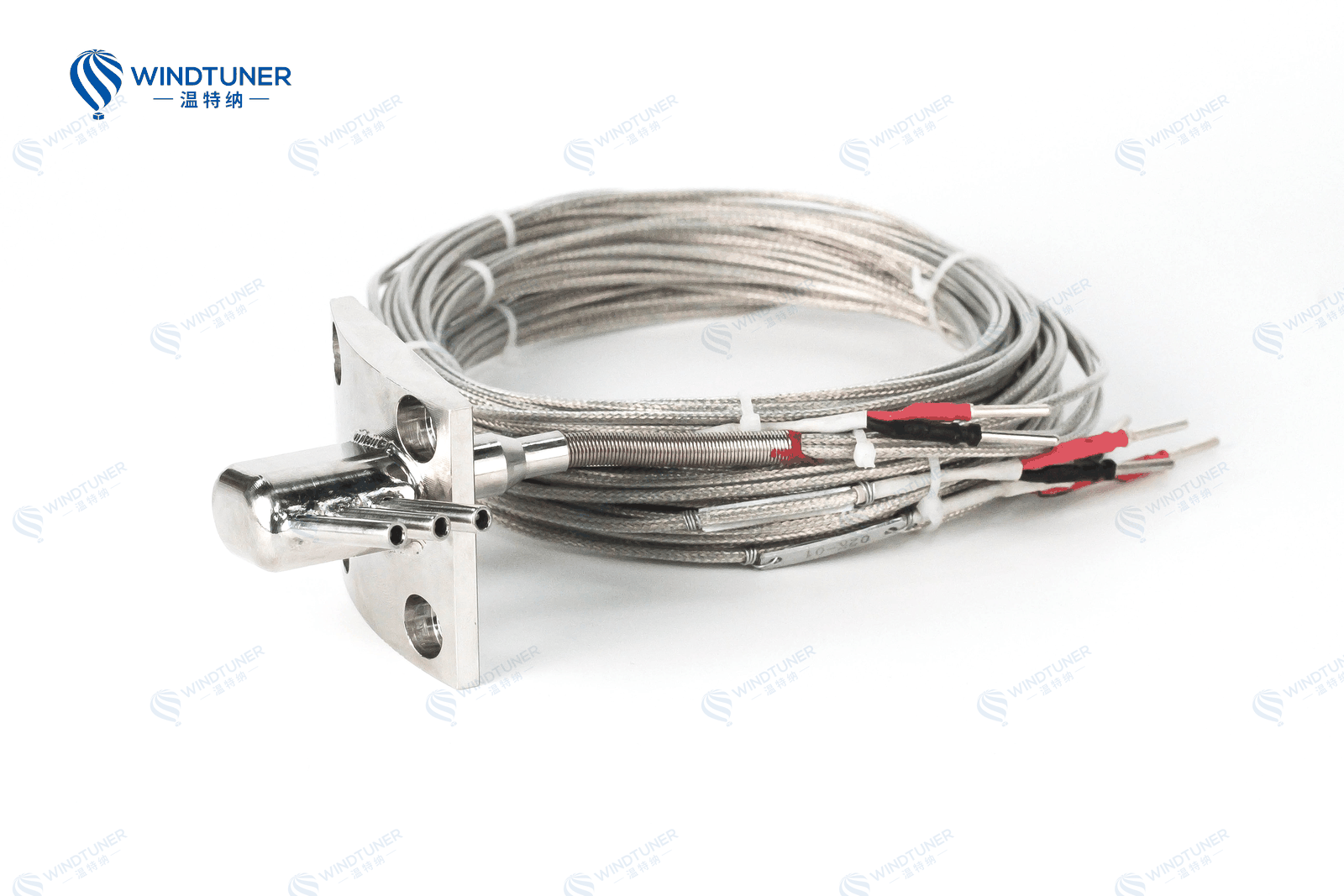
The medium and environment also deserve an early discussion. Could the flow contain particles or substances that affect the material? Will the tip experience large temperature changes? Where the data is incomplete, provide the known ranges and identify what still needs to be confirmed. That is more useful than treating an uncertain condition as a fixed design input.
The medium and environment also deserve an early discussion. Could the flow contain particles or substances that affect the material? Will the tip experience large temperature changes? Where the data is incomplete, provide the known ranges and identify what still needs to be confirmed. That is more useful than treating an uncertain condition as a fixed design input.
Show Where the Sensing Tip Must Reach
A probe must do more than fit inside the test space: its sensing point needs to reach the intended measurement location. Mounting information should include the available space, insertion depth, stem orientation, mounting interface, and nearby structures. If the test already has a fixed mount, share its dimensions or a drawing so that the connection can be assessed. Check whether the installed tip could interact with the model or other equipment, including any risk of a physical collision.
Tip size also affects how the probe disturbs the local flow. Choosing dimensions means considering test space, structural strength, and manufacturing constraints together, rather than simply making the tip as small as possible. WINDTUNER can discuss tip and stem designs around the test requirements, with final dimensions confirmed against the operating conditions and installation.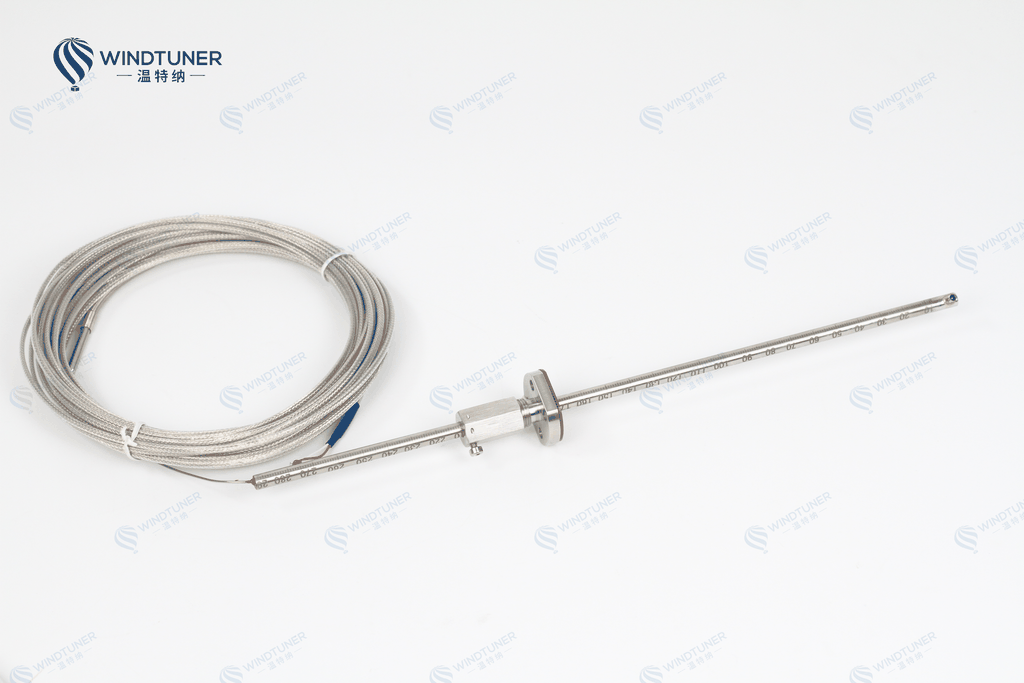
Tip size also affects how the probe disturbs the local flow. Choosing dimensions means considering test space, structural strength, and manufacturing constraints together, rather than simply making the tip as small as possible. WINDTUNER can discuss tip and stem designs around the test requirements, with final dimensions confirmed against the operating conditions and installation.
Plan Pressure Acquisition and Calibration
Pressure signals from the probe's ports are usually carried through tubing to pressure acquisition equipment. If a pressure scanner or other acquisition hardware is already available, provide its model, range, and interface details so that the connection requirements can be checked. Also describe the approximate tubing length, required sampling rate, and how the results will be recorded and processed. WINDTUNER can discuss supporting measurement and control software to suit the probe and acquisition configuration.
When multi-hole probes are used to measure flow direction and velocity, wind tunnel calibration must also be considered against the expected operating conditions. State the velocity and angle ranges to be covered and what information is needed in the calibration report. The calibration plan should follow the intended use of the probe. Leaving that discussion until after manufacture risks finding that the calibration range does not match the test.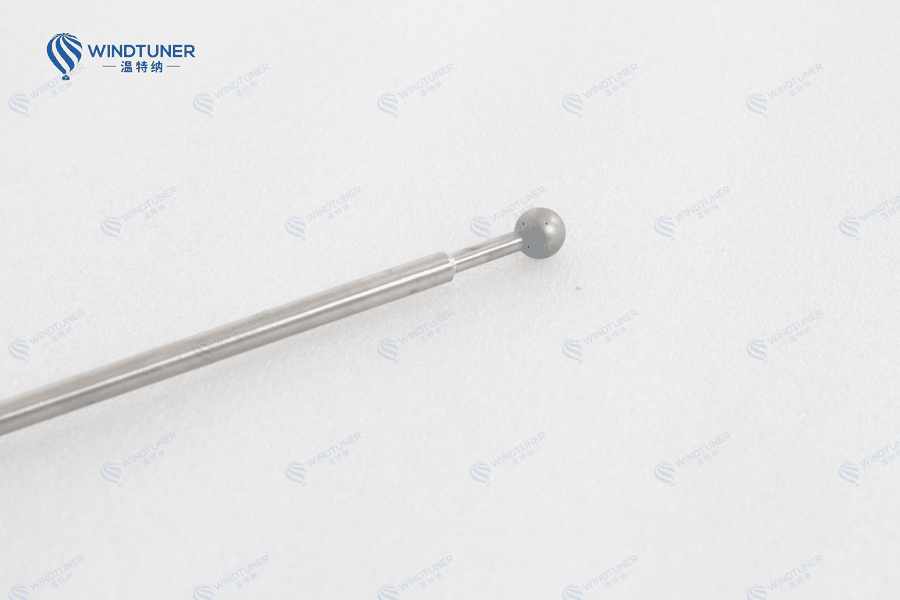
A useful design brief can begin with the required parameters, operating ranges, installation drawings, and existing acquisition equipment. WINDTUNER can use that information to discuss probe design, manufacture, calibration, and supporting equipment. A custom probe should fit the measurement task. Clear early inputs make it easier to focus design decisions on the conditions that will actually affect the test.
When multi-hole probes are used to measure flow direction and velocity, wind tunnel calibration must also be considered against the expected operating conditions. State the velocity and angle ranges to be covered and what information is needed in the calibration report. The calibration plan should follow the intended use of the probe. Leaving that discussion until after manufacture risks finding that the calibration range does not match the test.
A useful design brief can begin with the required parameters, operating ranges, installation drawings, and existing acquisition equipment. WINDTUNER can use that information to discuss probe design, manufacture, calibration, and supporting equipment. A custom probe should fit the measurement task. Clear early inputs make it easier to focus design decisions on the conditions that will actually affect the test.