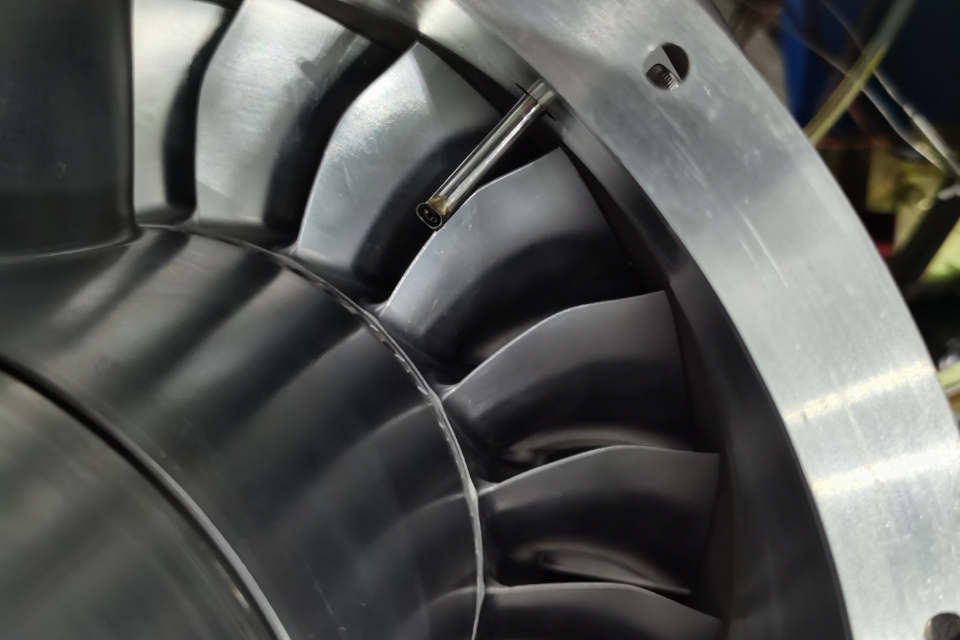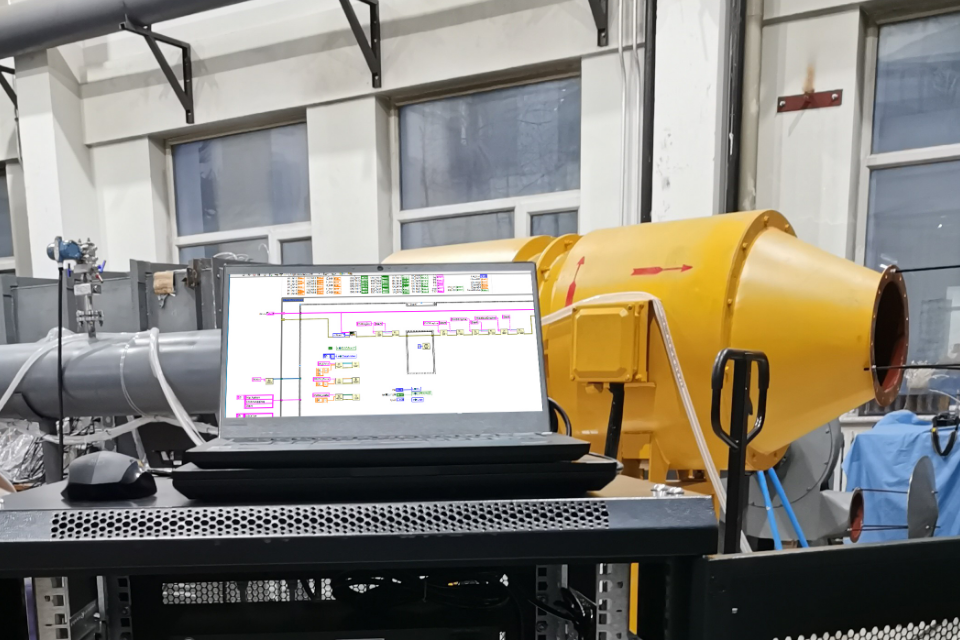

A total temperature probe does not simply report whatever temperature a sensor reads when placed in moving air. Static temperature is the thermodynamic temperature of the air at the measurement point. Total temperature is the temperature the flow would reach if it were brought to rest without exchanging heat with its surroundings. It depends on both static temperature and flow speed. In a wind tunnel or propulsion test, engineers need to know which temperature the test calls for before deciding where and how to measure it. WINDTUNER offers total temperature probes that can be configured for specific test requirements.
Why Static and Total Temperature Differ
Static temperature reflects the random motion of gas molecules. Air still has a static temperature while it flows past a measurement point; “static” does not mean the entire flow must stop first. Total temperature also accounts for the motion of the flow as a whole. Under ideal conditions with no heat exchange, bringing the flow to rest converts its kinetic energy into the gas’s internal energy. The corresponding temperature is the total temperature. These are not two thermometer readings to add together. In a test where speed changes substantially, confusing the two can lead to errors in the calculations that follow.
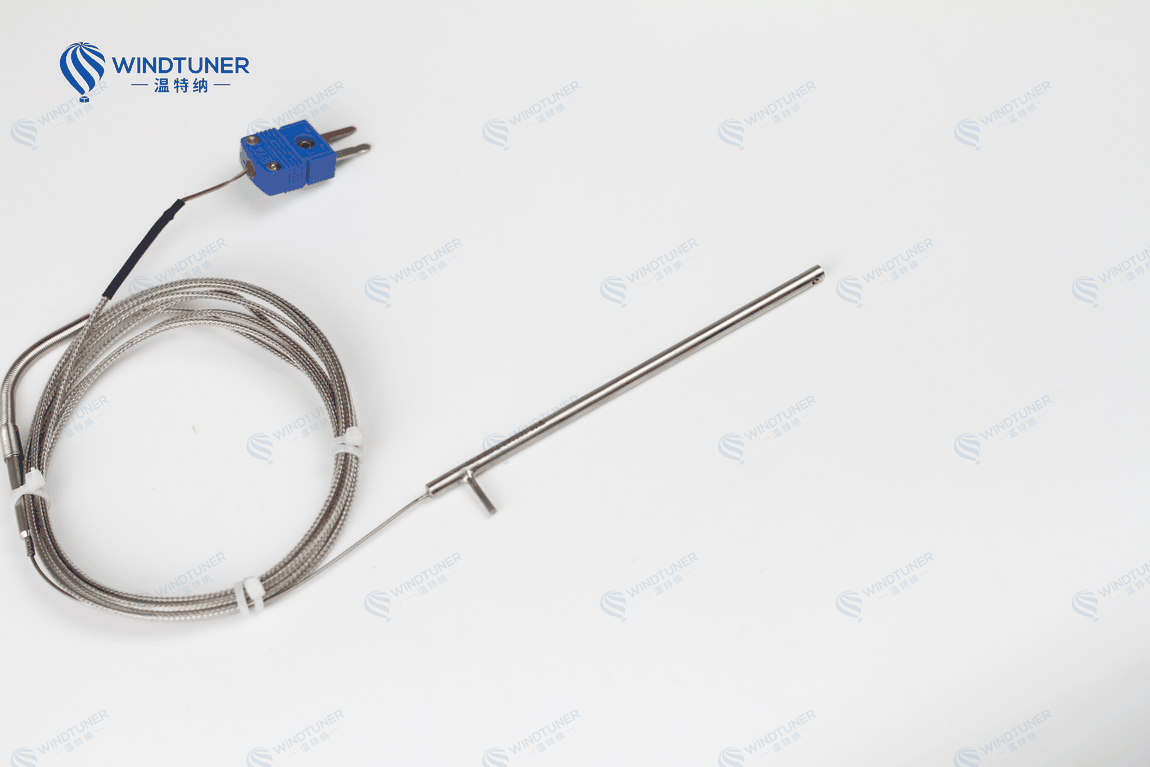
A real total temperature probe does not necessarily bring the air completely to rest, so the sensor reading may differ from the ideal total temperature. Its temperature sensor must contact the relevant flow while the design limits unwanted effects from the probe body, nearby walls, and heat transfer. Moving the probe can change the local flow. Sensor type, mounting, and response time can also affect the data. Selecting a total temperature probe therefore takes more than a temperature range: flow speed, measurement location, available space, and the data acquisition setup all matter.
A real total temperature probe does not necessarily bring the air completely to rest, so the sensor reading may differ from the ideal total temperature. Its temperature sensor must contact the relevant flow while the design limits unwanted effects from the probe body, nearby walls, and heat transfer. Moving the probe can change the local flow. Sensor type, mounting, and response time can also affect the data. Selecting a total temperature probe therefore takes more than a temperature range: flow speed, measurement location, available space, and the data acquisition setup all matter.
Where Total Temperature Data Is Used
In wind-tunnel and aerodynamic development tests, total temperature is one of the basic parameters used to describe the incoming flow. Alongside pressure and other measurements, it helps researchers compare flow conditions across test runs. In propulsion-related tests, temperature measurements may be taken at several locations. The team needs to know whether those readings correspond to the same operating condition and whether each probe can be installed where it is needed. The test objective determines which locations should be measured and how the measurement points are arranged.
WINDTUNER’s pneumatic probe range includes total temperature probes. Materials, shape, measurement-point layout, and mounting can be tailored to the test. For a tight measurement point, a difficult installation, or several measurement locations, it is often more useful to discuss the operating conditions and space constraints first than to specify a standard size. If several temperature channels must be recorded, the probe’s temperature sensors also need to work with the downstream acquisition equipment. WINDTUNER offers thermocouple data acquisition units, with connections and configuration to be confirmed for each project.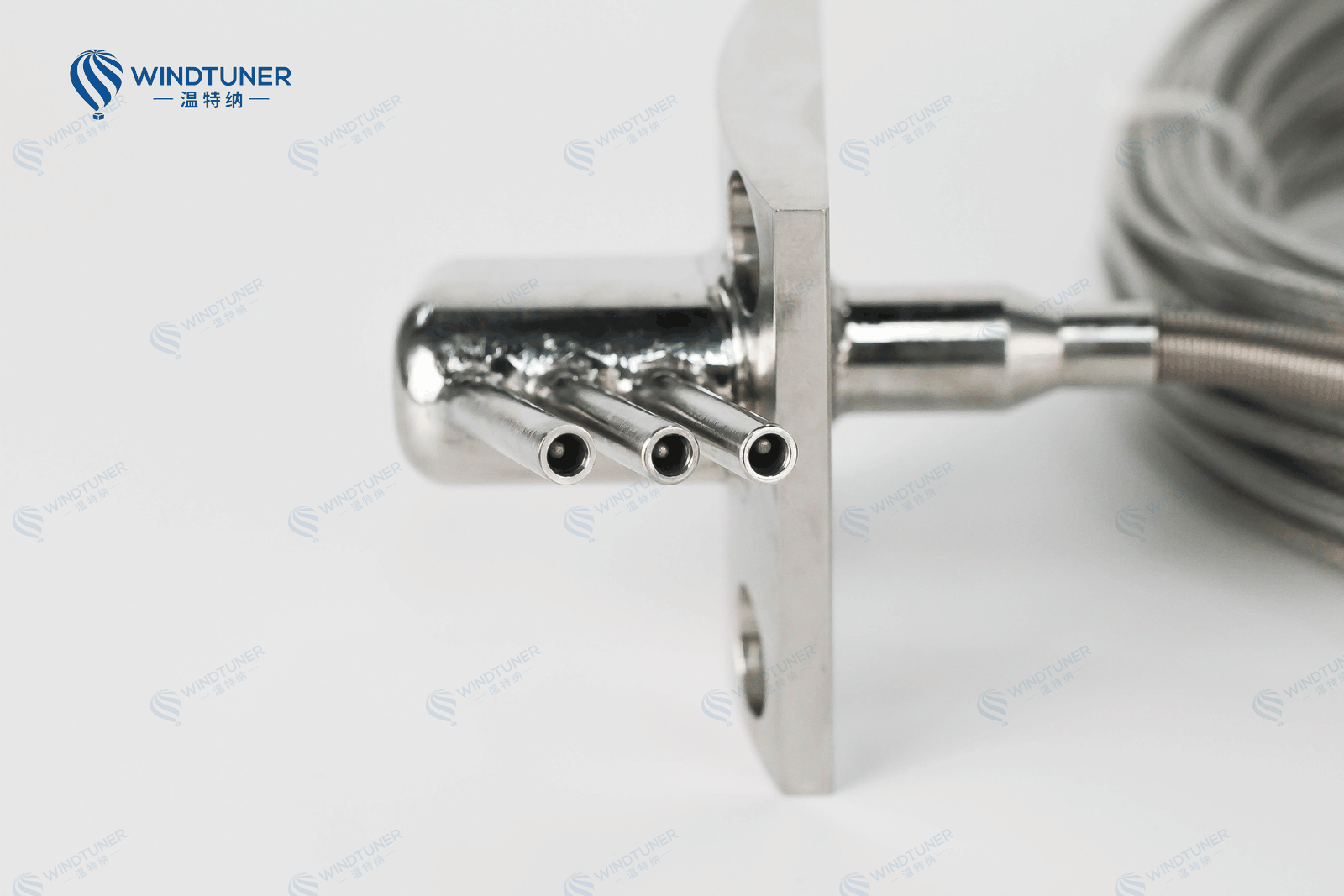
WINDTUNER’s pneumatic probe range includes total temperature probes. Materials, shape, measurement-point layout, and mounting can be tailored to the test. For a tight measurement point, a difficult installation, or several measurement locations, it is often more useful to discuss the operating conditions and space constraints first than to specify a standard size. If several temperature channels must be recorded, the probe’s temperature sensors also need to work with the downstream acquisition equipment. WINDTUNER offers thermocouple data acquisition units, with connections and configuration to be confirmed for each project.
Temperature Data in the Full Measurement Chain
Having a total temperature probe does not mean every reading is ready to use in a calculation. The measurement point must be in the intended flow, the probe must be installed in the specified orientation, and the temperature sensor must match the acquisition equipment. Calibration or verification should be planned for the project, along with records of the relevant operating conditions. Those checks make it easier to tell whether a change between test runs comes from the flow or from the measurement setup.
When selecting a total temperature probe, start with the flow location, expected operating conditions, and the pressure or flow-rate data that will be used alongside the temperature reading. WINDTUNER can develop a probe design and supporting measurement setup around those requirements. Settling the measurement objective, installation, and data chain early helps ensure that the total temperature probe provides data the development team can actually use.
When selecting a total temperature probe, start with the flow location, expected operating conditions, and the pressure or flow-rate data that will be used alongside the temperature reading. WINDTUNER can develop a probe design and supporting measurement setup around those requirements. Settling the measurement objective, installation, and data chain early helps ensure that the total temperature probe provides data the development team can actually use.