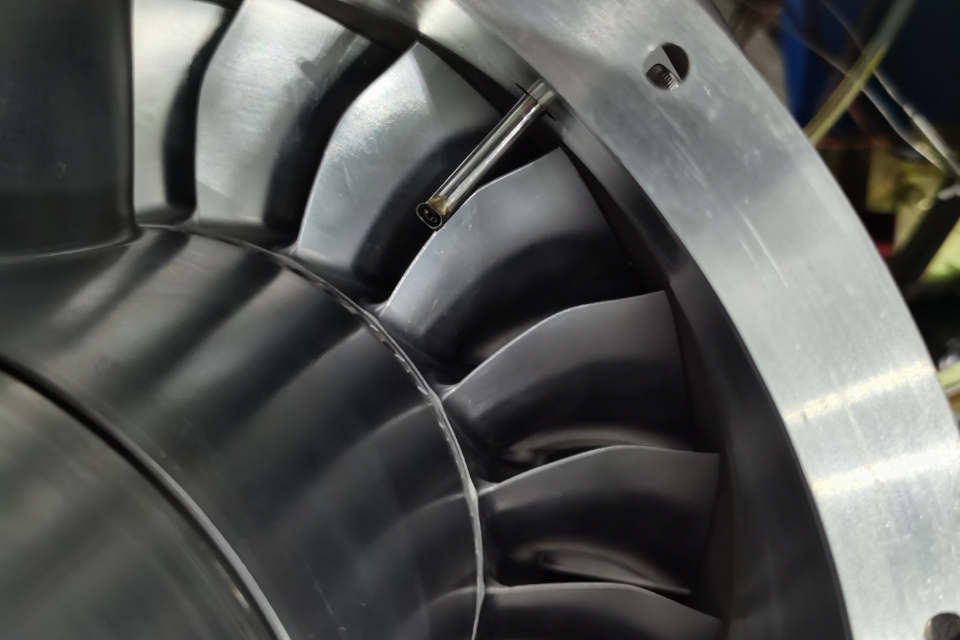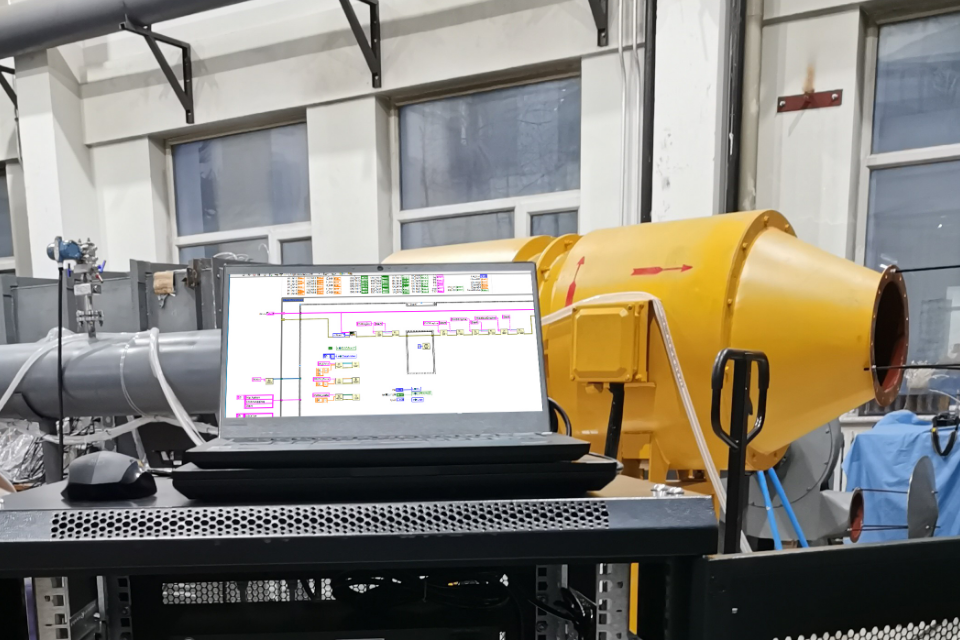

In engine tests, metal processing, chemical equipment, and wind-energy testing, temperature points are often spread across different locations. Test personnel may need to connect many thermocouples while keeping channel numbers, acquisition times, and sensor types correctly matched. A thermocouple scanner collects multiple thermocouple signals, records them, and sends the data to a host computer. WINDTUNER thermocouple data acquisition units are designed for this kind of multichannel temperature measurement.
Channel count is only one part of the selection. Thermocouple type, temperature range, measurement tolerance, acquisition rate, time synchronization, and communications can all affect the result. Confirming these conditions before the test makes field wiring and later data handling much easier.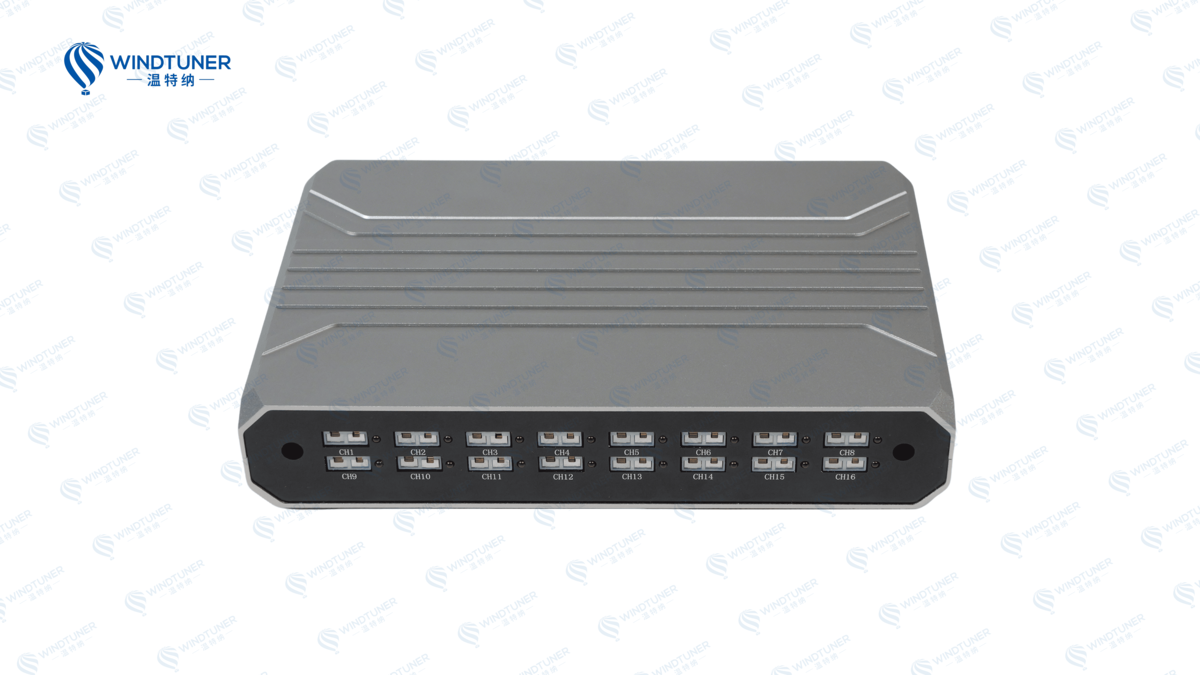
Channel count is only one part of the selection. Thermocouple type, temperature range, measurement tolerance, acquisition rate, time synchronization, and communications can all affect the result. Confirming these conditions before the test makes field wiring and later data handling much easier.
Choose the Channel Configuration Around the Measurement Points
WINDTUNER thermocouple data acquisition units are available with 16 or 48 channels. The 16-channel version is easier to place when there are fewer points or the instrument needs to move with the test setup. The 48-channel version is better suited to dense measurement layouts or projects that need to bring several groups of temperature signals into one instrument. It is reasonable to leave a few spare channels for temporary points or a replacement connection, but there is little value in adding capacity that the test is unlikely to use.
A clear point list should be prepared before wiring begins. It should record the channel number, thermocouple type, installation location, and purpose of each sensor. This simple step prevents a common problem: the data has been captured, but no one can tell which location a particular column represents. Reusing the same channel names and file rules also makes results easier to compare across repeated tests.
A clear point list should be prepared before wiring begins. It should record the channel number, thermocouple type, installation location, and purpose of each sensor. This simple step prevents a common problem: the data has been captured, but no one can tell which location a particular column represents. Reusing the same channel names and file rules also makes results easier to compare across repeated tests.
The Thermocouple Type Must Match the Temperature Range
WINDTUNER thermocouple data acquisition units support K, B, E, J, T, S, N, and R thermocouples. Each type uses different materials and has its own suitable temperature range. Measurement tolerance may also vary at the same temperature. A connector that fits does not, by itself, confirm compatibility. Selection should be based on the target temperature, operating environment, and the class of the thermocouple, with the corresponding type and measurement range confirmed before use.
The instruments support software compensation, time-based triggering, and hardware triggering. A steady process, a heating cycle, and a rapid transient do not call for the same acquisition rate. Slowly changing temperatures do not need to generate excessive data. When a fast change matters, the thermocouple response, acquisition rate, and recording system all need to keep up. WINDTUNER thermocouple data acquisition units support high-speed sampling at up to 1,000 Hz for temperature records that require finer time resolution.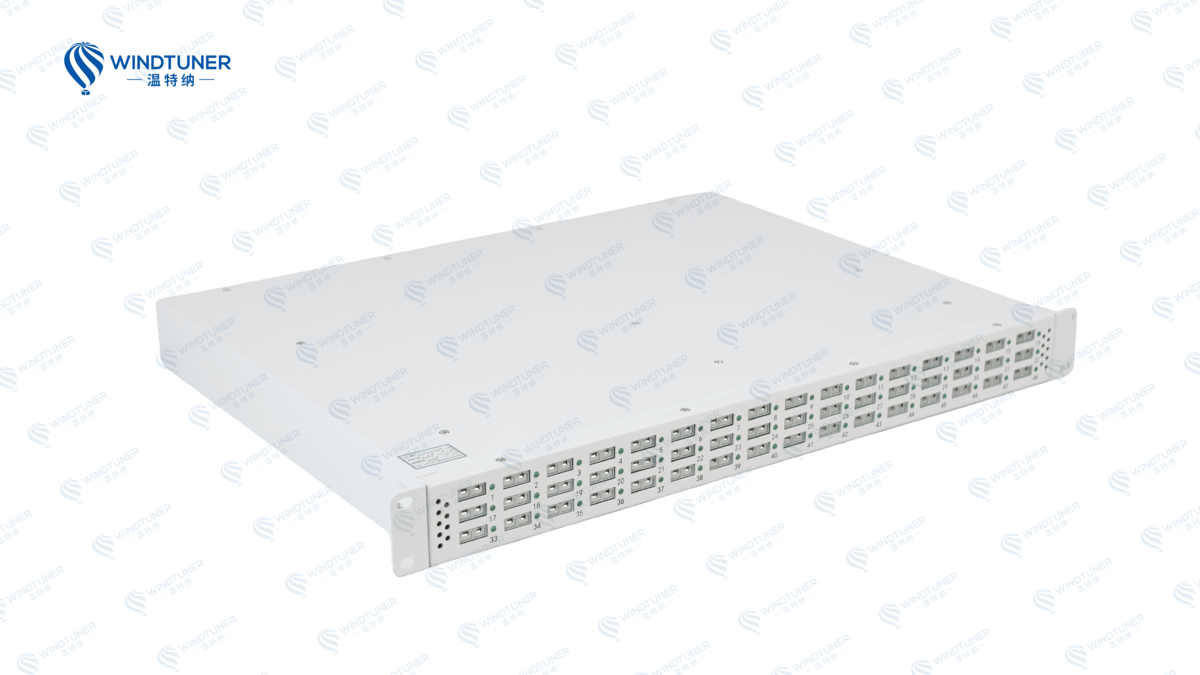
The instruments support software compensation, time-based triggering, and hardware triggering. A steady process, a heating cycle, and a rapid transient do not call for the same acquisition rate. Slowly changing temperatures do not need to generate excessive data. When a fast change matters, the thermocouple response, acquisition rate, and recording system all need to keep up. WINDTUNER thermocouple data acquisition units support high-speed sampling at up to 1,000 Hz for temperature records that require finer time resolution.
Synchronization and Communications Keep Multiple Datasets Aligned
A common time base becomes important when temperature data needs to be analyzed together with pressure, rotational speed, or position. WINDTUNER thermocouple data acquisition units offer several clock-synchronization methods so multiple instruments and different measurement types can be placed on the same timeline. The synchronization settings should still be checked before the test, followed by a short trial acquisition to confirm that file start times, end times, and timestamps agree.
For communications, the instrument supports 10/100 Mbps auto-negotiating Ethernet, with RS485, RS422, or RS232 available as options. The interface should match the existing control system and the required transmission distance. Ethernet is convenient for host computers and local networks, while a serial interface may be a better fit for existing equipment or a specific control cabinet.
For communications, the instrument supports 10/100 Mbps auto-negotiating Ethernet, with RS485, RS422, or RS232 available as options. The interface should match the existing control system and the required transmission distance. Ethernet is convenient for host computers and local networks, while a serial interface may be a better fit for existing equipment or a specific control cabinet.
Keep Temperature Data Organized from the Start
Managing dozens of temperature points takes more work than reading any one sensor. A clear wiring list, correct thermocouple settings, a suitable acquisition rate, and consistent timing information reduce manual transcription and make an abnormal channel easier to spot. WINDTUNER thermocouple data acquisition units can also work with measurement and control software for data display, storage, and review.
Before choosing a thermocouple scanner, answer a few practical questions: How many points are required? Which thermocouple types will be used? How quickly can the temperature change? Must the data be synchronized with other instruments? Which interface will connect the data to the existing system? Configuring the instrument around those answers is more useful than comparing specifications one at a time.
Before choosing a thermocouple scanner, answer a few practical questions: How many points are required? Which thermocouple types will be used? How quickly can the temperature change? Must the data be synchronized with other instruments? Which interface will connect the data to the existing system? Configuring the instrument around those answers is more useful than comparing specifications one at a time.