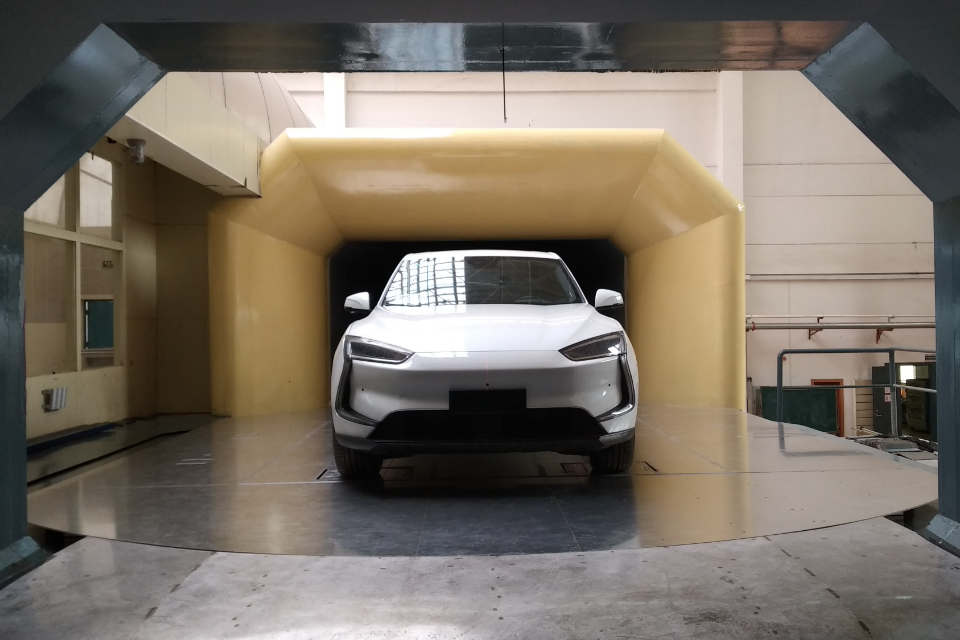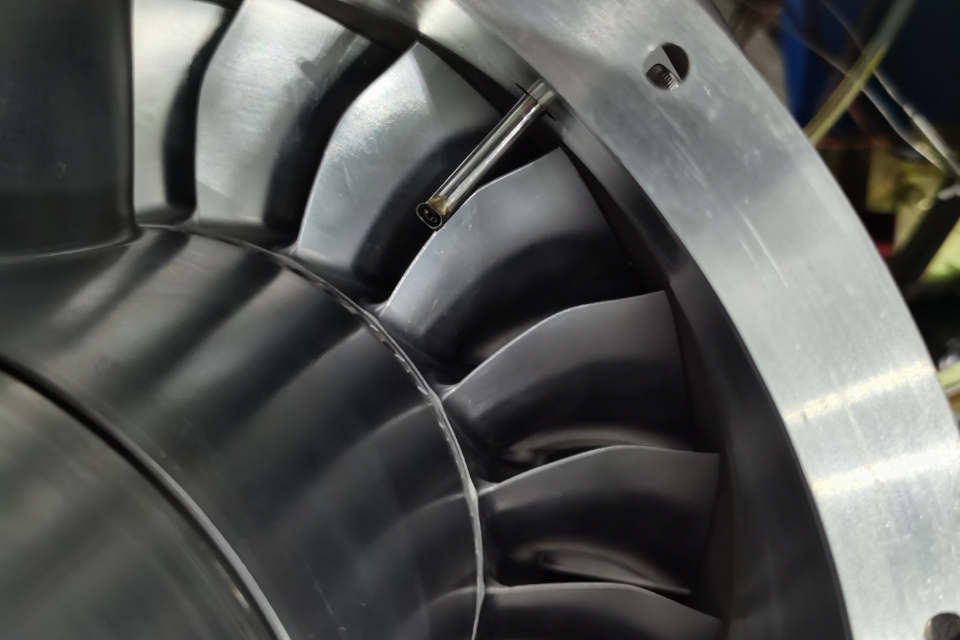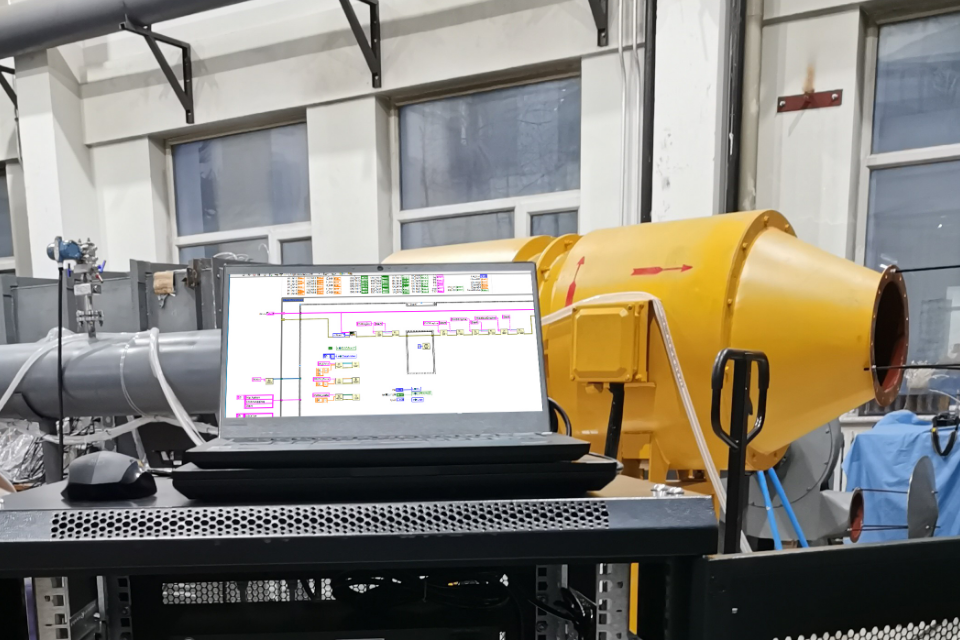

A wind tunnel is just a big fan and a test section until you put instruments in it. The air moves, the model sits there, but the whole point is the numbers. Pressure at this tap, velocity at that probe, flow angle at that traverse position. WINDTUNER pressure scanner turn those physical pressures into the data stream that decides whether a design works or goes back to the drawing board. Each unit carries 16 channels with ±0.05% FS accuracy. That resolution matters because a wind tunnel test costs money by the hour. If the pressure scanner misses a gradient or drifts between runs, the test team burns budget chasing ghosts. Most wind tunnel campaigns are not one-off experiments. A typical program might run the same model at five Mach numbers with three model attitudes each. The scanner has to deliver the same uncertainty budget at the end of the week that it delivered on Monday morning.
Putting pressure scanner to Work Across the Test Section
Think about where the pressure taps sit in a typical wind tunnel test. Some are on the model itself, flush-mounted. Others sit in rakes downstream to catch the wake. Probes move through the flow on a traverse, and then there are static taps on the tunnel walls. None of them wait around. They all need to record at the same time. WINDTUNER pressure scanner handle this by connecting over Ethernet. Place a unit near the measurement points, run one cable to the control room, done. The scanners sample at up to 500 Hz per channel at 24-bit resolution. That is fast enough for the steady pressures from a fixed rake, and it catches the quick transients you get when a probe cuts through a wake or the model angle shifts. When you have several scanners running at once, time alignment is the piece you cannot skip. IEEE 1588V2 precision time protocol locks every unit to one clock. After the test, pull up the data. Channel 3 on scanner A and channel 11 on scanner B share a time base. If they do not, you cannot rebuild the flow field at a moment in time. The correlation between measurement planes turns into an estimate instead of a measurement.
Calibration That Holds Up When Someone Asks to See the Paperwork
Numbers on a datasheet do not count for much if the calibration chain falls apart under scrutiny. WINDTUNER puts every pressure scanner through a CNAS-accredited calibration wind tunnel before it leaves the factory. CE certification comes with it, which a lot of European labs and engine programs need on file. On the test floor, the built-in pneumatic valves let you run zero and full-scale checks between runs. Nobody has to unplug anything from the setup, nobody has to stop the tunnel to verify instruments. That is a practical advantage when tunnel time costs what it costs. More and more wind tunnel facilities are moving toward fully automated test sequences. The probe traverse, the scanner, and the data system all run as one loop. WindLabX software ties the three together. It talks to the hardware, controls the motion, and logs everything in step. The output is a 3D flow field pressure map from a single automated pass. No stitching pieces together afterward by hand.
A Pressure Scanner System That Grows with the Test Program
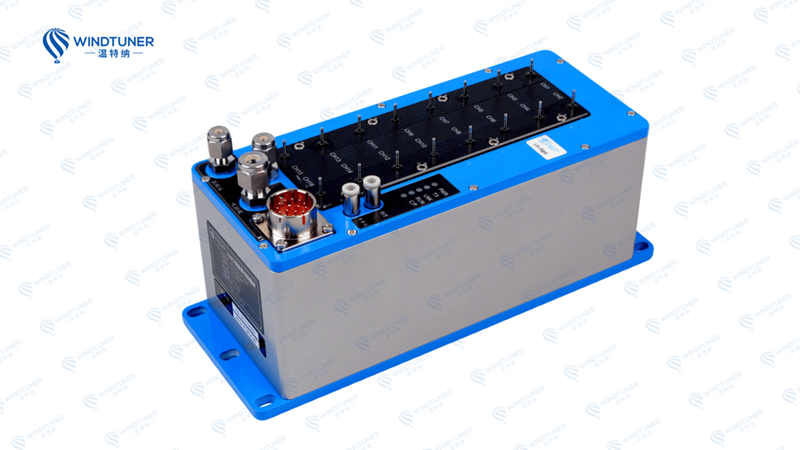
Wind tunnel programs evolve. A calibration campaign that starts with 32 channels today might need 64 or 128 next year when the lab adds a new test section or a more instrumented model. The modular design of WINDTUNER pressure scanner means adding channels is a matter of putting more units on the network. The acquisition backbone stays the same. The software stays the same. The calibration certificates for the existing units do not change. That kind of forward compatibility saves real money over the life of a wind tunnel facility. pressure scanner are not the most visible part of a wind tunnel. The model, the optics, the balance, those get attention. But when the test report lands on an engineer's desk six months later, every pressure coefficient, every velocity vector, every flow angle traces back to the scanner that digitized the signal. WINDTUNER pressure scanner earn their place by making those numbers trustworthy, run after run, audit after audit.