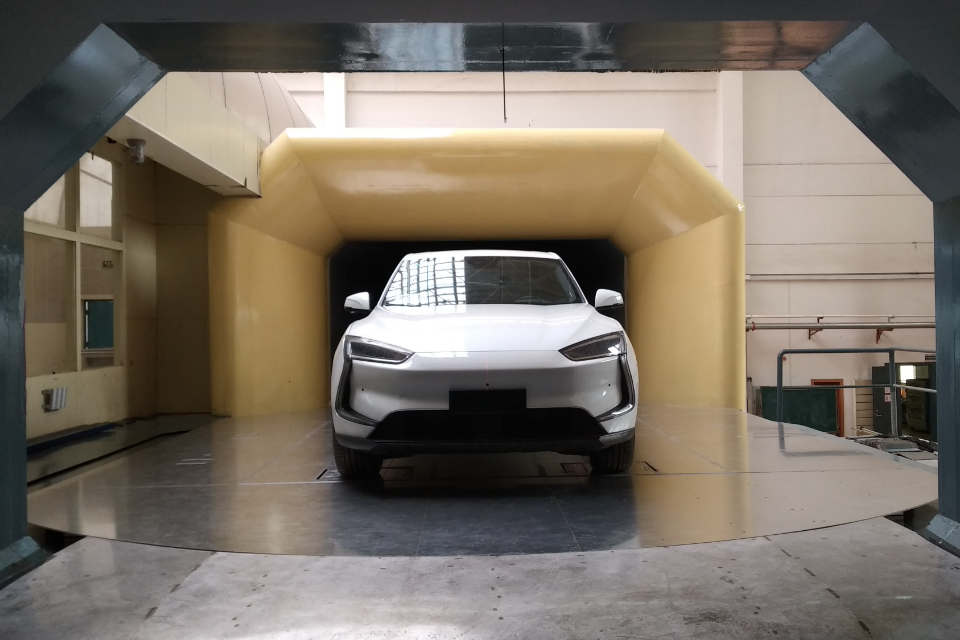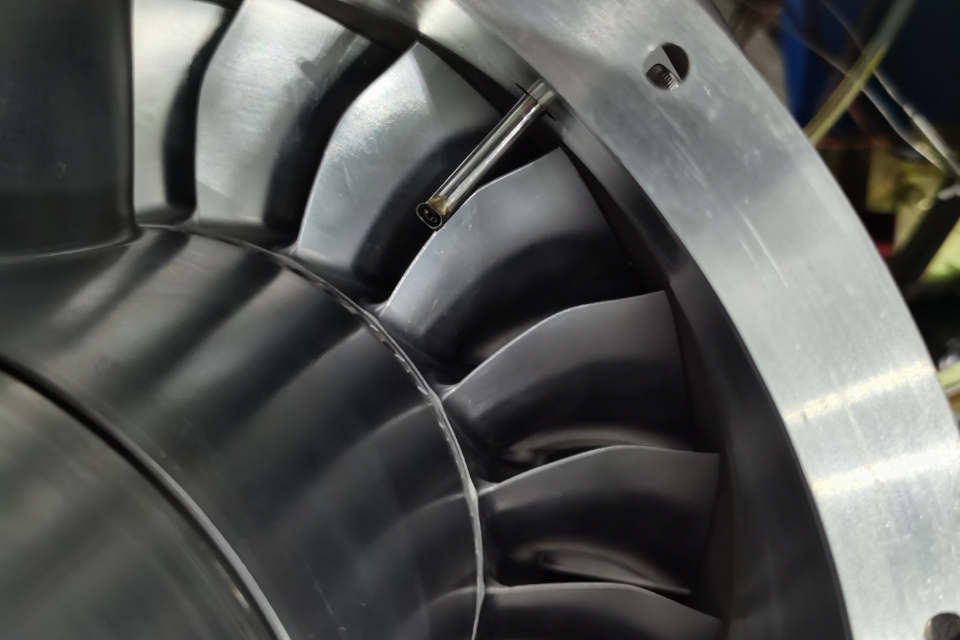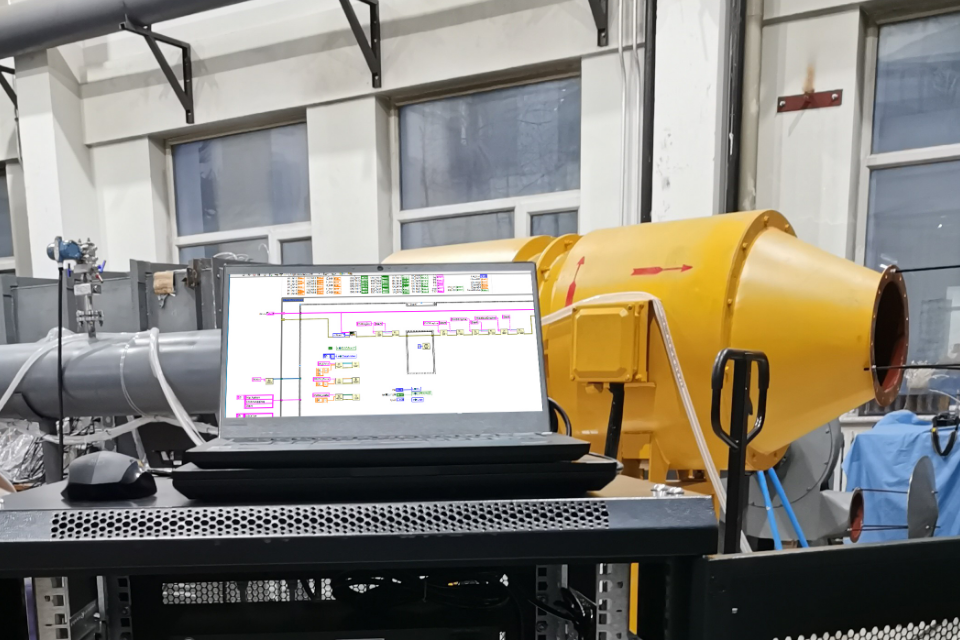

The global wind tunnel market crossed a notable threshold in 2026. Industry analysts now value the sector at roughly $2.94 billion, with projections pointing toward sustained growth through the decade. Aerospace manufacturers, automotive developers, and energy researchers all want more test capacity, and governments from North America to East Asia continue funding new facilities. More tunnels mean more experiments, and more experiments mean one thing for the engineers running them: an unprecedented volume of pressure data flowing through their acquisition systems every single day.
Market Growth Means More Than New Facilities
Constructions makes headlines as these new facilities come into function across the United States, Europe, and Asia. Yet aerodynamic researchers care more about what happens inside the test section than the building around it. Pressure measurements are operated in every wind tunnel to validate models and certify designs before they fly. That requirement does not change when the market grows. What changes is volume. Facilities run longer campaigns and test more configurations daily, producing far more data than they did five years ago. If the hardware at the measurement front end is not reliable, the infrastructure investment suffers. Engineers cannot afford to discover measurement errors after the conclusion of multimillion dollar campaigns.
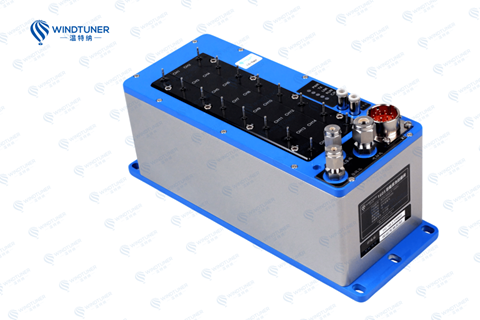
Pressure Scanner that can
Pressure Measurement Is the Quiet Battleground
The pressure probes, scanners, and tubing that turn airflow into numbers rarely get attention until they fail. A blocked tap or an uncalibrated probe can ruin an entire test matrix. Repeating a campaign costs far more than replacing the instrument that caused the problem. One misaligned sensor can invalidate weeks of work. So pressure measurement quality matters more than most laboratory managers admit. Labs that deliver consistent data win repeat business. Labs that struggle with repeatability do not. The gap usually comes down to the scanners and probes on the model, and the calibration routine behind them.
What Modern Tunnels Demand from Their Instruments
Modern wind tunnel testing asks more from hardware than it did a decade ago. Multi-channel experiments acquire data from dozens or hundreds of pressure taps at once. High-speed flows need fast response times. Complex model geometries force engineers to route tubing through tight spaces and across temperature gradients. Clients also want digital integration. Ethernet-connected pressure scanners now replace the older point-to-point systems that required manual reconfiguration between runs. Instruments need lab-grade accuracy, rugged construction, and direct software integration. Legacy equipment built for slower programs cannot keep up with today's test schedules.
How Windtuner Aligns with Market Expansion
Windtuner manufactures pressure scanners and multi-hole pneumatic probes for the measurement market. Our pressure scanners achieve ±0.05% FS accuracy and transmit data over standard established ethernet, which simplifies integration into laboratory networks. We calibrate every probe in our own wind tunnel facilities, including the first private calibration wind tunnel accredited by CNAS in China, and we maintain supersonic calibration capability for clients working at higher Mach numbers. Growing laboratories need suppliers who can match their pace. Windtuner runs production and calibration operations in parallel so that clients receive instruments ready for immediate deployment. Pressure measurement is based on trustable calibrated instruments, which magnifies the significance of our CNAS qualification.
The wind tunnel market will continue its upward trajectory. New aircraft programs, electric vehicle development, and renewable energy research all require aerodynamic validation that only physical testing can provide. The facilities that thrive in this expansion will be those that treat pressure data as a strategic asset rather than a routine commodity. Engineers already know the difference between data they trust and data they question. As test volumes rise, that difference only grows more consequential.