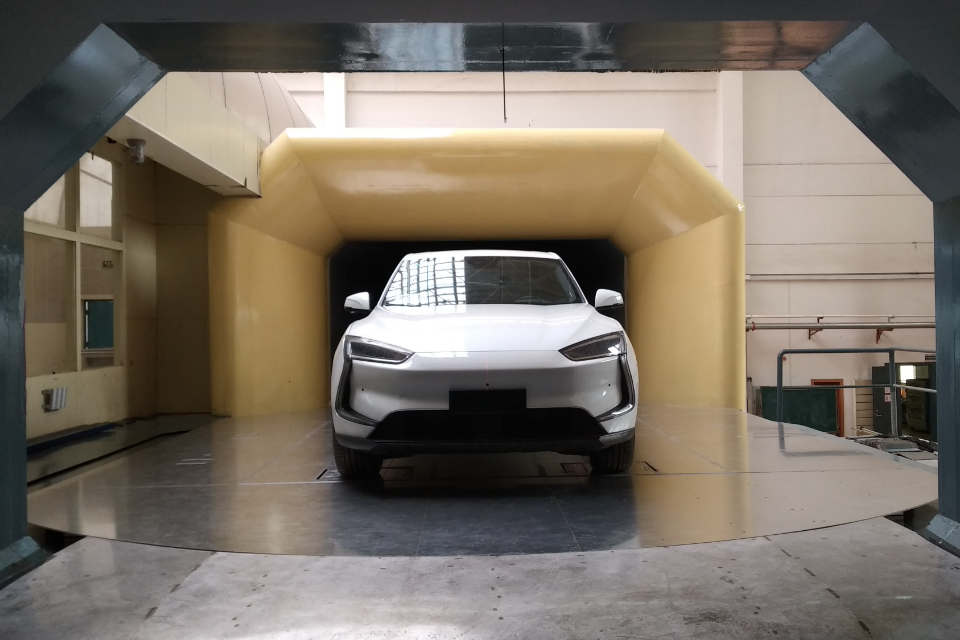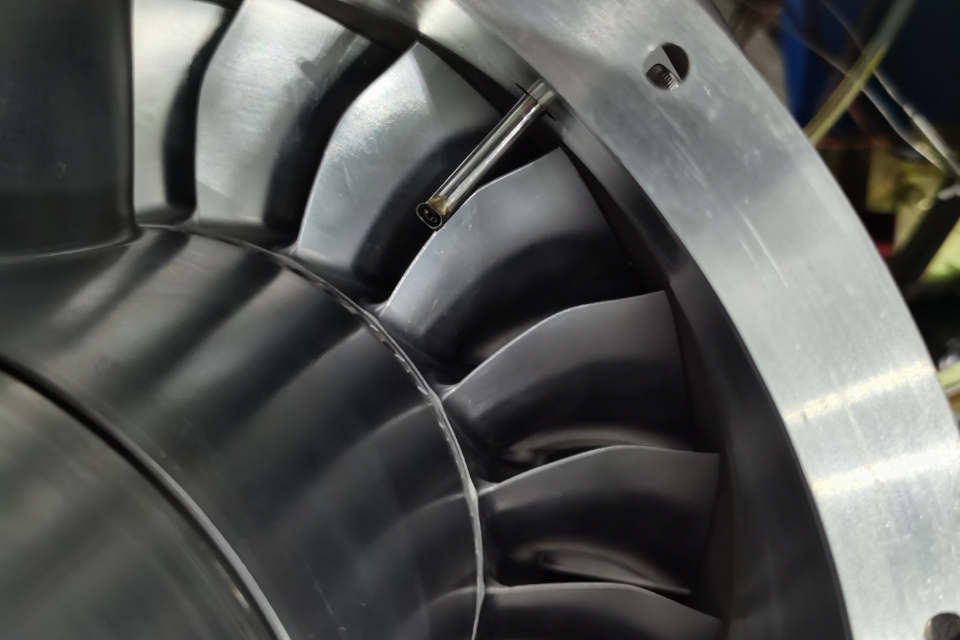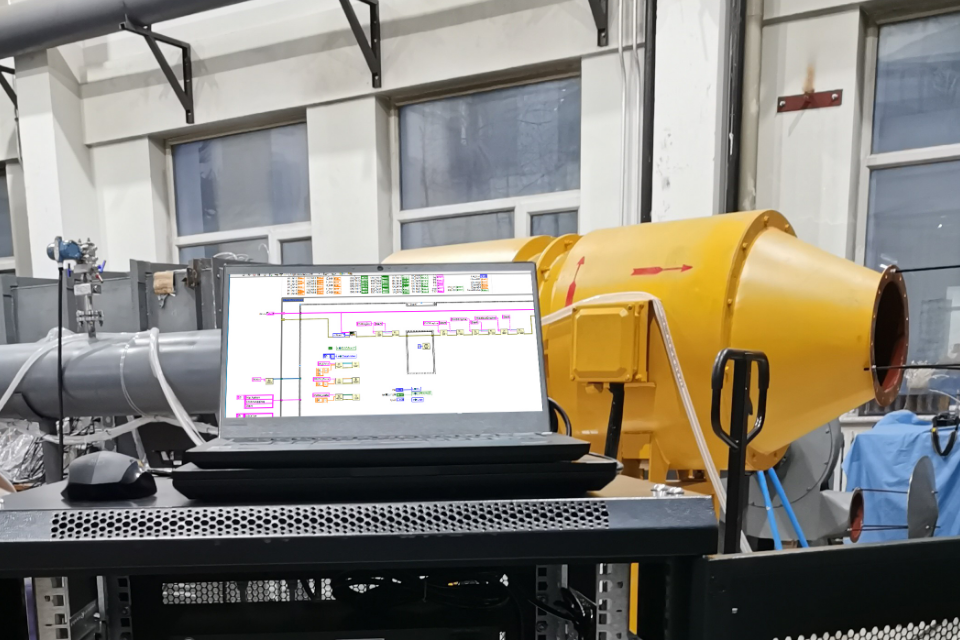

Most people picture the function of wind tunnel setups to be static: Measurement instruments bolted in place while measuring data of the air quickly sweeping past. But the more useful tests often require the unit in motion, through the sweeping pitches and yaws. Actuators help us use probes and pressure scanners to discover how forces change as the attitude and angles of the model change.
Windtuner builds electric actuators for exactly this kind of work. They go into wind tunnel facilities doing aerospace research, automotive development, and industrial testing. Each unit is designed to handle the loads and speeds that real testing demands, from slow precision positioning to rapid angle sweeps at high dynamic pressure.
Keeping Position Under Load
Wind tunnel actuation is about keeping the unit relatively still in turmoil and air pressure. The unit sits in a flow field generating hundreds or even thousands of pounds of aerodynamic load, and it has to hold position within a fraction of a degree while that load shifts unpredictably. A servo motor and gearbox combination rated for static torque will not survive this environment. Windtuner uses closed-loop control with feedback from high-resolution encoders to track the actual angle of the sting in real time.
This becomes critical when you are sweeping angles during a run. A pitch sweep through stall, for example, needs force control as much as position control. The actuator must modulate its speed to maintain a constant angle rate even as the aerodynamic moment changes sign. Windtuner units handle this through adaptive control algorithms that adjust on the fly, so the test engineer gets clean, repeatable data across the full range of motion.
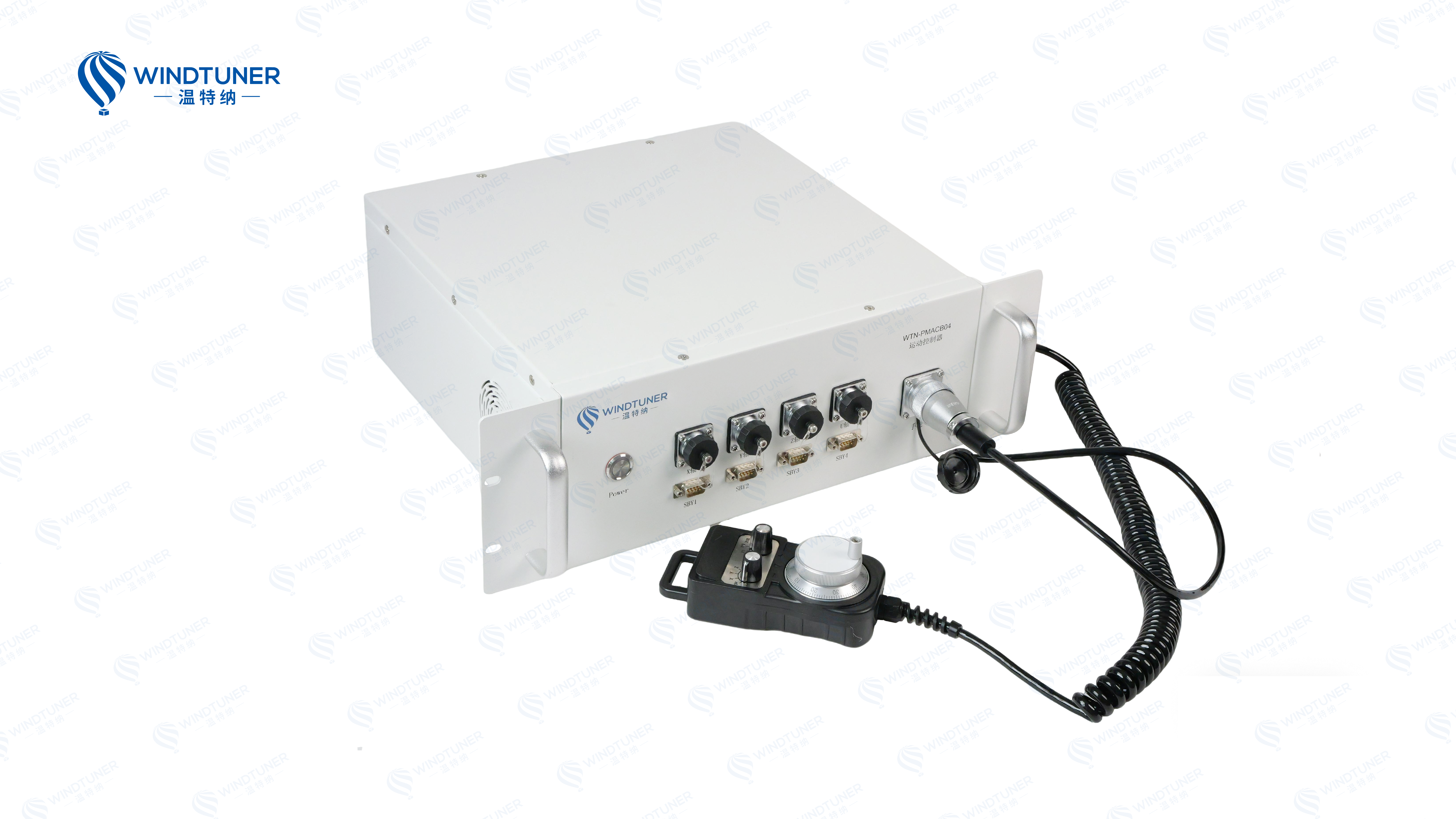
Supporting Control System for Probe Movement
Working With Your Existing Equipment
Windtuner actuators are built to integrate with pressure scanners and multi-hole probes. The control system synchronizes actuator position data with pressure measurements, so engineers can correlate force coefficients directly with the flow field at each angle. This kind of integration matters when you are building a comprehensive test database.
The mechanical side is straightforward. These units mount to standard sting hardware and balance systems. If you already have a sting and balance installed, the actuator replaces or augments the manual angle mechanism without requiring a new sting design. Mounting interfaces follow common industry dimensions, and Windtuner provides adapter plates for less standard configurations.
Different Tunnels, Same Actuator
Windtuner has delivered these units to two very different types of facilities. Calibration tunnels running at low speeds with fine resolution requirements use the same basic actuator platform as large production tunnels operating at transonic Mach numbers. The difference is in the tuning: gear ratios, control gains, and safety limits are configured for each installation based on the expected load envelope and test requirements.
For teams that are still doing angle changes by hand, it is worth sitting down and working through the numbers. Tunnel time is expensive, and the repeatability of manual positioning is limited. An electric actuator pays for itself quickly when you consider the reduced setup time between runs and the improved data quality from consistent, programmable angle control.