
Matching the Drone with a Suitable Airspeed Tube
We face a common paradox when installing airspeed tubes:The further the tube reaches, the better the data collection effect, but the greater amount of pressure it needs to withstand.
So the key point here is to find a balance point in the length of the tube, making it reach out as long as possible, where the flow field is less affected by turmoil, and the air pressure keeps closer to true static pressure; but at the same time, the longer the tube reaches out, the stronger pressure it needs to withstand during drone flight, which may eventually cause it to bend or deform and ruin test results. In the aerodynamic industry, airspeed tubes reaching out lengths from 290mm to 800mm have all been practiced, so it really depends on its effect in real experiments.
For example, for a plane drone with a total wing length of 10-12 meters, and weighing around 1.5-2 tons, an ideal airspeed tube structure shouldn't weigh more than 3kg. Engineers will then calculate the ideal circular length upon which the support structure should fit, and other parameters, based on the plane.
Theoretical Room for Structure Improvement
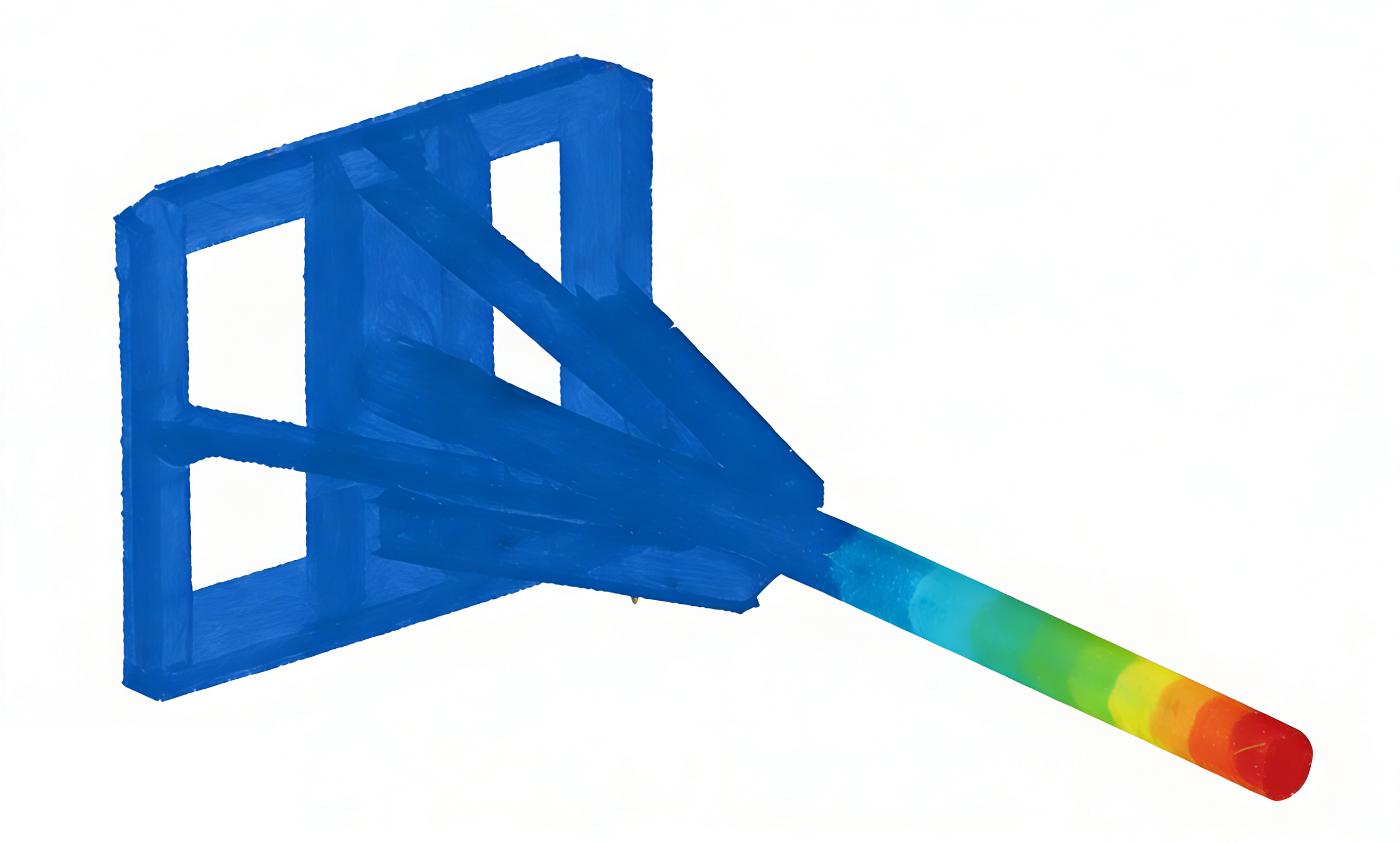
Commonly, the structure used to hold an airspeed probe is a square steel frame, standing perpendicular to the horizontally-placed airspeed probe, acting as the base for support, and triangular steel brackets holding the probe from four directions.
Structural Improvisation
In general, drone structure can be improved by analyzing how the standard method doesn’t match perfectly with the current drone design and make improvises accordingly.
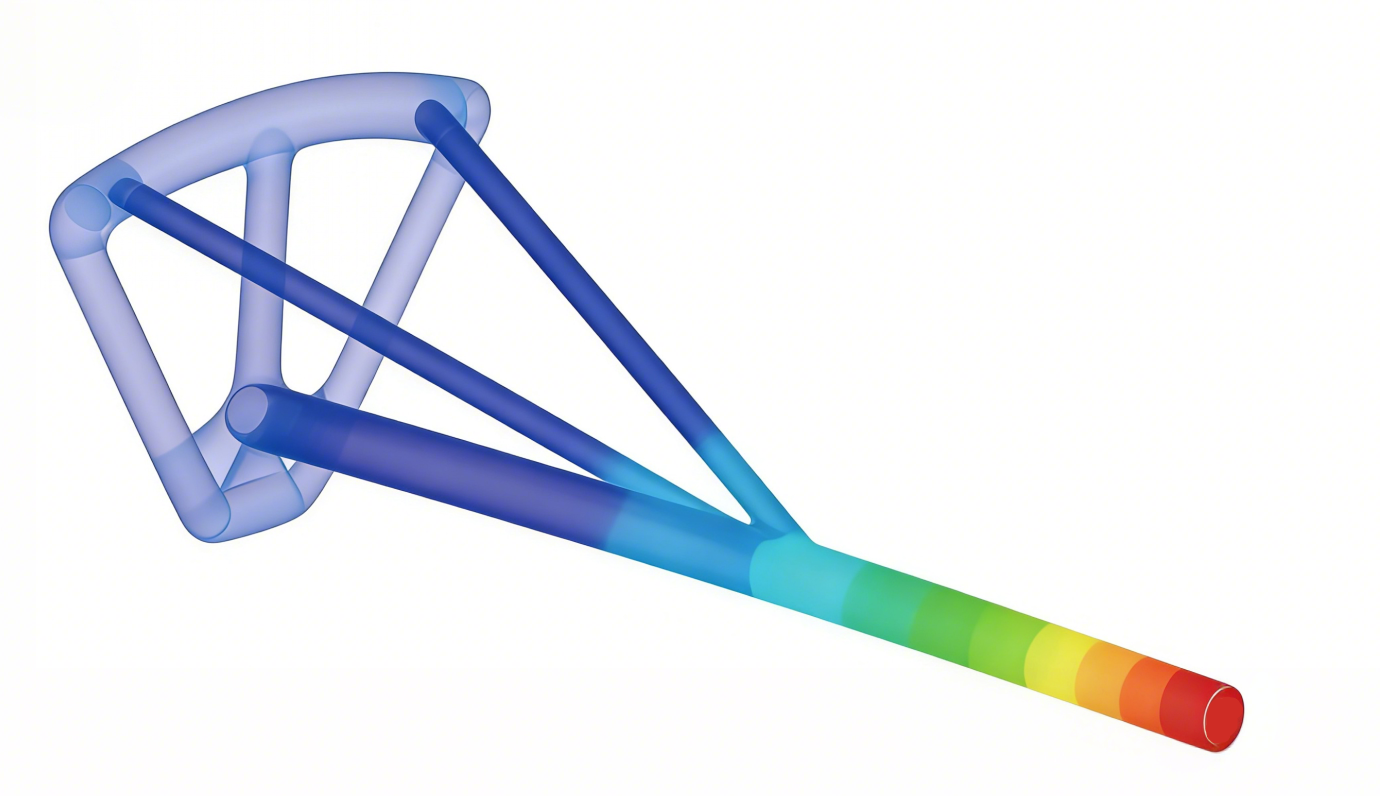
From the perspective of pressure distribution, we would see that under the new structure, the two diagonal steel brackets can take over much more pressure and help stabilize the probe head, reducing the tension and turmoil that might affect the performance of the airspeed probe.
In this instance, the structural strength of the airspeed tube can be improved will also reducing its weight, increasing its adaptability with test subjects.
Experience to Pass on to the Next Project
Optimizing the performance of the airspeed tube, and paving the way for it to work effectively is most important in drone airspeed tube installation. Therefore, what matters most is not duplicating structural experience such as diagonal brackets, but learning to analyze projects according to real situations.
Drones, like planes and other aircraft, are completed products. Having an airspeed tube at the front is not included in its design agenda. That's why we must improvise or make adjustments on our side when installing, such as designing the airspeed tube and its support structure based on the weight, shape, length and other parameters of the subject drone. After all, tilting the drone forward due to added weight is not a good way to start an aerodynamic examination.
Windtuner is a professional manufacturer excelling in probe customization and design. In many cases we implement 3D metal printing to make airspeed tubes strong enough to withstand turmoil and structural pressure under high flow speeds. If you have requirements for multi-hole probes or airspeed tubes used for different instances, such as wind tunnel testing or flow field mapping, we will provide you with a complete and tailored solution to do the job perfectly.