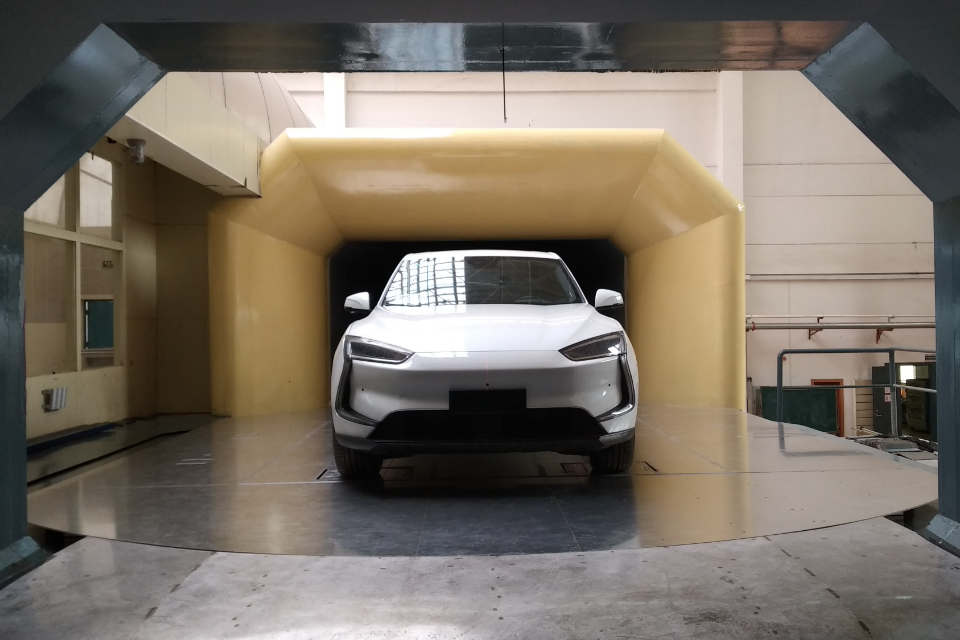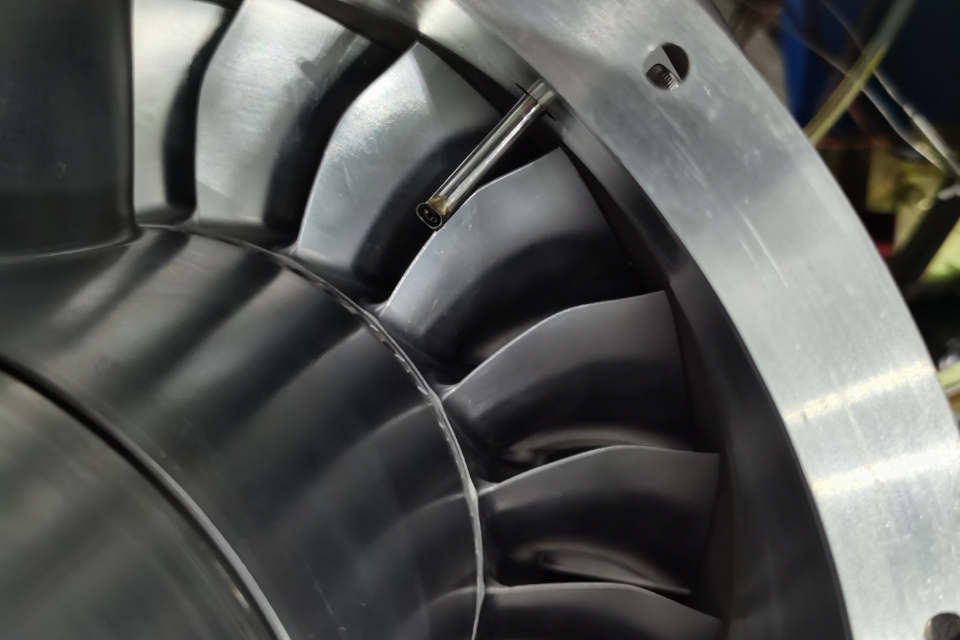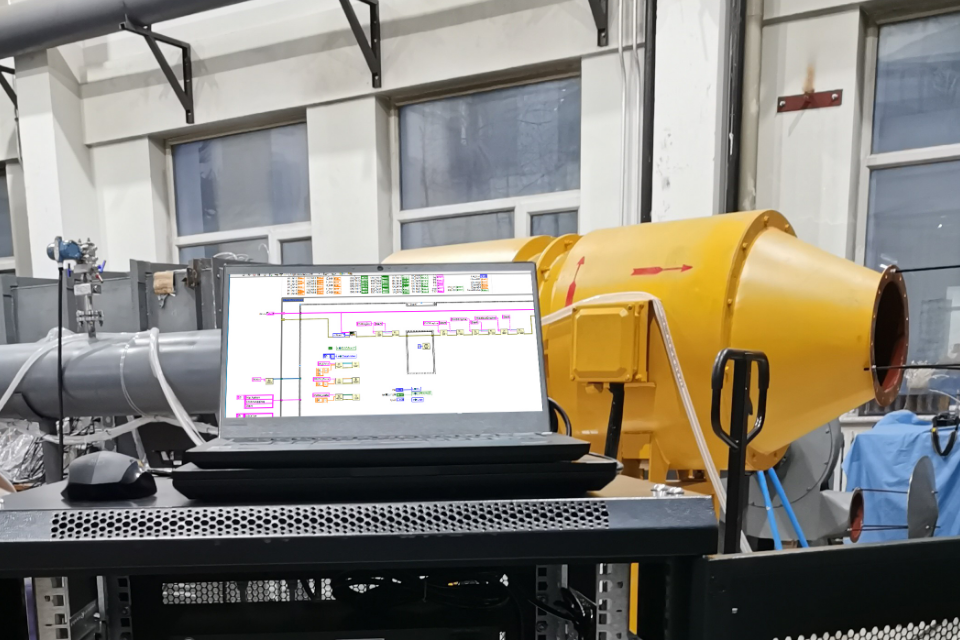

Aerodynamic probes play a central role in modern flow field measurement. Engineers rely on these probes to capture key airflow parameters such as velocity, pressure, and flow direction, making them indispensable in aerospace engineering, wind tunnel laboratories, and turbomachinery research. Based on pressure differential principles, aerodynamic probes interpret pressure distributions generated as airflow passes around the probe head, converting multi-point pressure data into accurate flow field information. As experimental requirements have grown more complex, aerodynamic probes have evolved significantly in structure, performance, and application scope.
From the Pitot Tube to Modern Flow Measurement
The Pitot tube represents the earliest and most widely used form of aerodynamic probe. First introduced in 1730 by French engineer Henri Pitot, the Pitot tube measures total pressure and static pressure to calculate flow velocity using fundamental fluid dynamics equations. Its simple structure, low cost, and sufficient accuracy have made it a standard instrument in aviation, aerospace testing, and wind tunnel experiments for nearly three centuries.
While Pitot tubes perform reliably in one-dimensional flow measurements, their limitations become evident in complex aerodynamic environments. They cannot resolve three-dimensional velocity components or flow direction, and their applicability decreases in highly disturbed or high-speed flow conditions. These constraints directly motivated the development of more advanced probe designs.
The Rise of Multi-Hole Probes
Multi-hole probes extend the Pitot principle by incorporating multiple pressure ports distributed across the probe head. This configuration allows simultaneous acquisition of velocity magnitude, flow direction, and pressure data, providing a more complete description of the flow field. Compared with optical techniques such as LDV or PIV, multi-hole probes offer stronger structural robustness, lower system complexity, and better suitability for harsh environments involving high velocity, vibration, or limited optical access.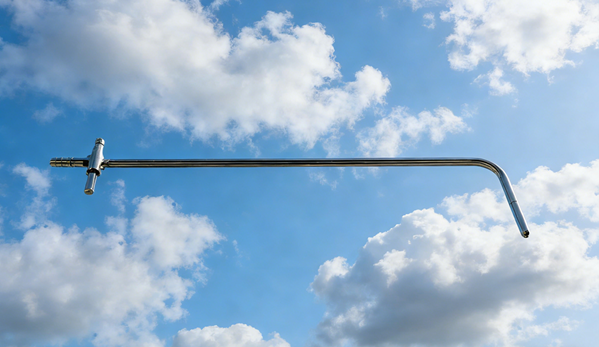
Common multi-hole probe configurations include three-hole, five-hole, and seven-hole probes. Three-hole probes typically serve two-dimensional flow measurements, while five-hole and seven-hole probes resolve static pressure, total pressure, and full three-dimensional velocity components. These probes are widely deployed in turbine cascades, axial compressors, and high-speed wind tunnel testing, where accurate spatial flow data is essential.
Five-Hole Probes: A Milestone in 3D Flow Measurement
Among all multi-hole probe designs, the five-hole probe stands out for its balance between measurement capability and structural simplicity. Five-hole probe calibration methods were first formalized in 1979 by Treaster and Yocum, laying the foundation for practical three-dimensional flow measurements. Early calibration techniques were straightforward but suffered from angular limitations and singularity issues, restricting their effectiveness at large pitch and yaw angles.Subsequent research significantly improved calibration strategies. Researchers Sitaram and his colleagues, from Pennsylvania State University, successfully applied five-hole probes to measure relative flow fields in axial compressors and blade passages. Their studies demonstrated that five-hole probes deliver reliable three-dimensional velocity data with minimal sensitivity to Reynolds number variations, while wall-interference-induced errors typically remain below 1%. These results firmly established the five-hole probe as a practical and efficient solution for complex aerodynamic measurements.
Windtuner’s Expertise in Aerodynamic Probe Technology
Windtuner has built strong technical leadership in the R&D and manufacturing of aerodynamic probes. Drawing on years of experience in flow field measurement and control, Windtuner develops high-accuracy, high-reliability probe solutions tailored for demanding research and industrial applications. Windtuner’s product portfolio covers airspeed probes, Pitot tubes, three-hole probes, five-hole probes, seven-hole probes, fourteen-hole probes, total pressure probes, total temperature probes, and high-temperature probes, addressing a wide range of experimental requirements.By adopting advanced 3D design methodologies and rigorous quality control processes, Windtuner ensures consistent probe geometry, stable aerodynamic performance, and dependable long-term operation under harsh conditions. Every probe undergoes strict calibration in Windtuner’s calibration wind tunnel laboratory, accredited by CNAS, delivering measurement accuracy researchers can rely on from day one. Windtuner’s aerodynamic probes have earned recognition from leading research institutions both in China and internationally.