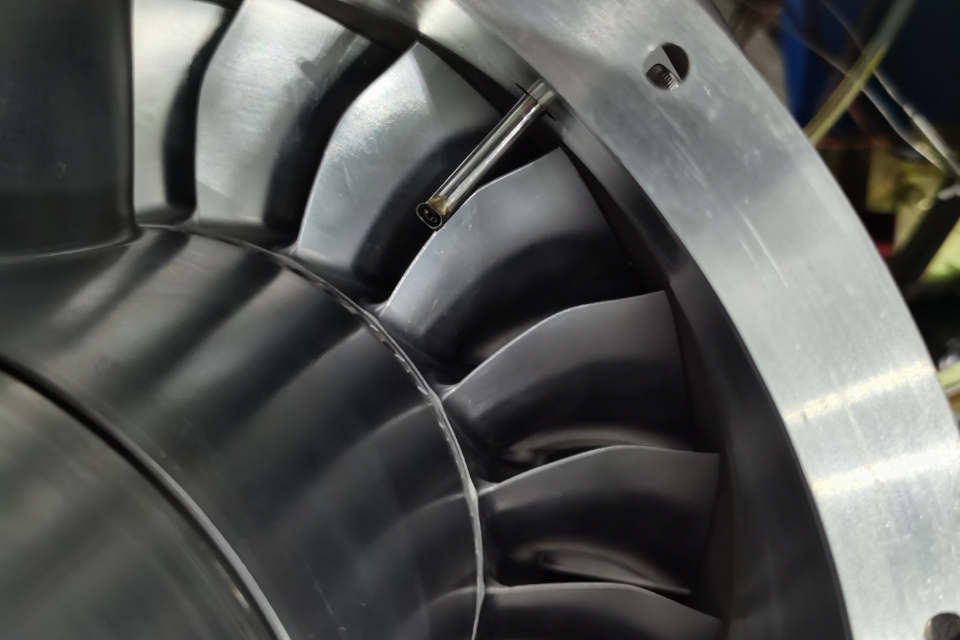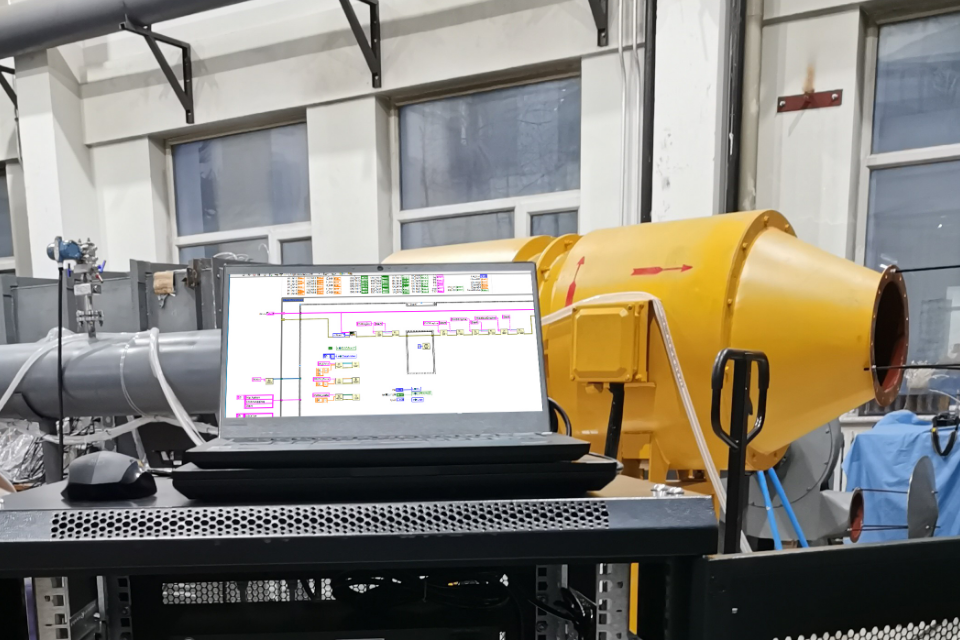

Clean, Stable Gases Drive Accurate Measurements
Pressure scanners require extremely clean gas inputs. Any moisture, oil, or particulates may damage the sensor modules or distort readings. Air and nitrogen remain clean and easy to purify at room temperature. Filtration removes residual moisture or impurities, supporting stable and repeatable results. Their pressure characteristics remain consistent in normal environments, letting engineers run controlled, reproducible aerodynamic tests without worrying about gas-induced variations.
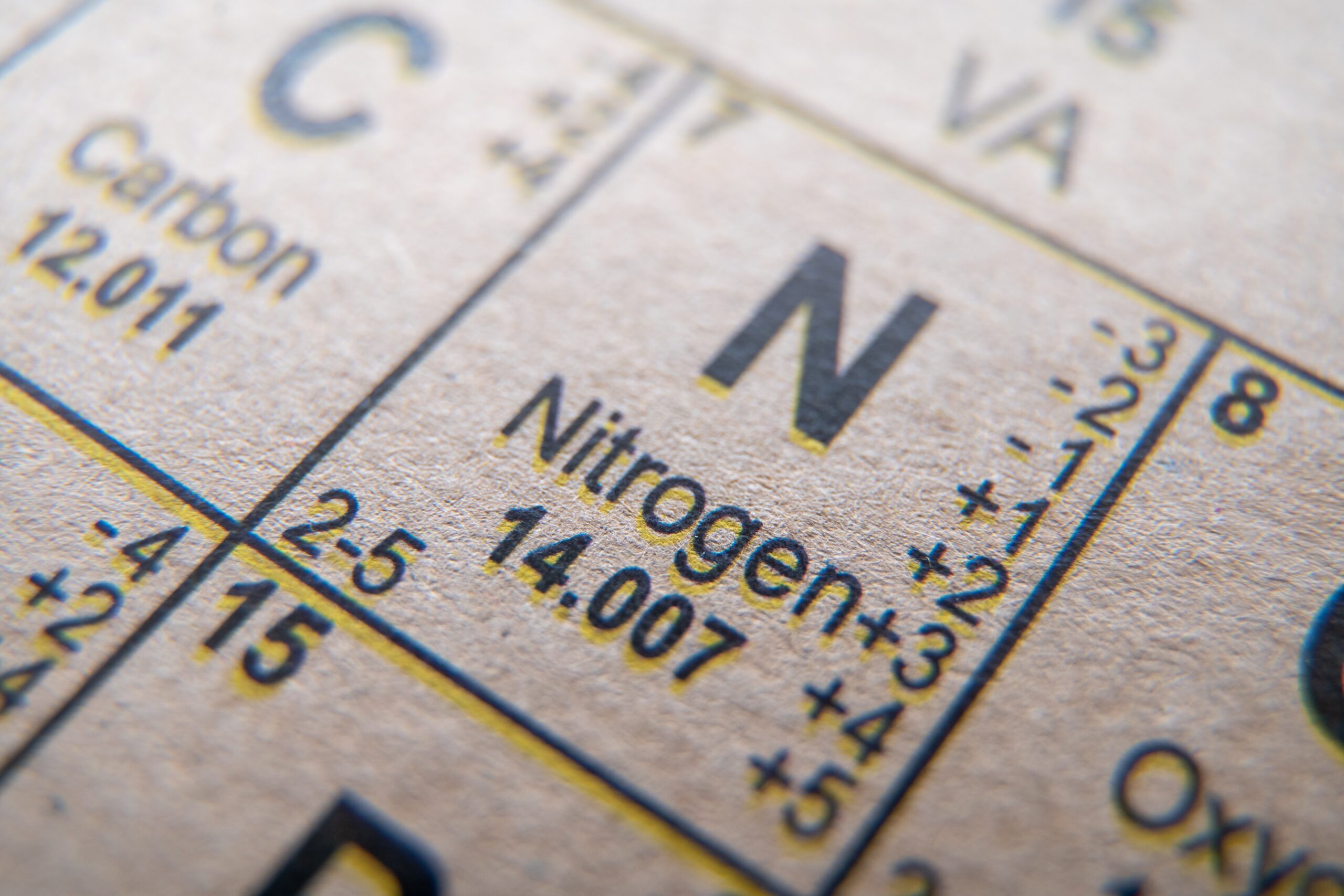
Nitrogen, a stable and mass-produced gas
Safe to Use in Demanding Experimental Environments
Safety forms another decisive factor. Nitrogen is inert, avoiding chemical reactions that could compromise electronic components. Air is non-toxic and safe for personnel, posing no risk in day-to-day operation. Nitrogen also demonstrates reliable performance across extreme test conditions, including high-temperature or high-pressure setups, maintaining stable behavior where reactive gases would fail.
Cost-Effective and Readily Available
Air and nitrogen offer unmatched accessibility. Air is abundant, and nitrogen is mass produced through standard air-separation systems, a stable and cost-controllable supply. Other industrial gases require expensive storage equipment and introduce operational risks, especially flammable gases such as hydrogen or highly reactive gases such as oxygen. Using air or nitrogen keeps operating costs low while sustaining efficient gas flow and long service intervals.
Broad Compatibility for All Pressure Scanner Platforms
Air and nitrogen match the structural and thermal requirements of mainstream pressure scanner designs. Whether deployed in a wind tunnel, an engine test bench, or a complex aerodynamic experiment, these gases adapt well to varying pressures and test environments. Their neutral characteristics prevent interference with aerodynamic equipment, letting scanners run smoothly alongside wind tunnels, probes, and supporting measurement devices.
Supporting Long-Term Stability and Durability
Pressure scanners are engineered for continuous, stable operation. The low corrosiveness and low reactivity of air and nitrogen protect sensors, electronic components, and pneumatic channels from long-term degradation. This protective effect reduces failure rates, lowers maintenance demands, and extends the overall lifespan of the instrument.
Limitations of Other Gases
Other gases pose unpredictable threats to the safety and precision of your experiments for their respective reasons. Oxygen’s strong oxidizing properties may damage materials under certain conditions. Hydrogen is highly flammable and unsuitable for high-pressure or high-temperature tests. Specialty gases may contaminate sensor surfaces or react chemically with internal elements, compromising measurement accuracy. Selecting air or nitrogen effectively avoids these hazards and brings fidelity to measurement results.
Air and nitrogen gain their name as preferred industrial pressure sources because they deliver clean, stable, safe, cost-effective, and equipment-friendly performance. They support accurate measurements while safeguarding long-term durability, which is why sectors such as civil aviation, aerospace, wind tunnel research, and high-accuracy testing rely on them as the standard choice. Modern aerodynamic measurements rely on their consistency to produce quality results and work the way they are designed.