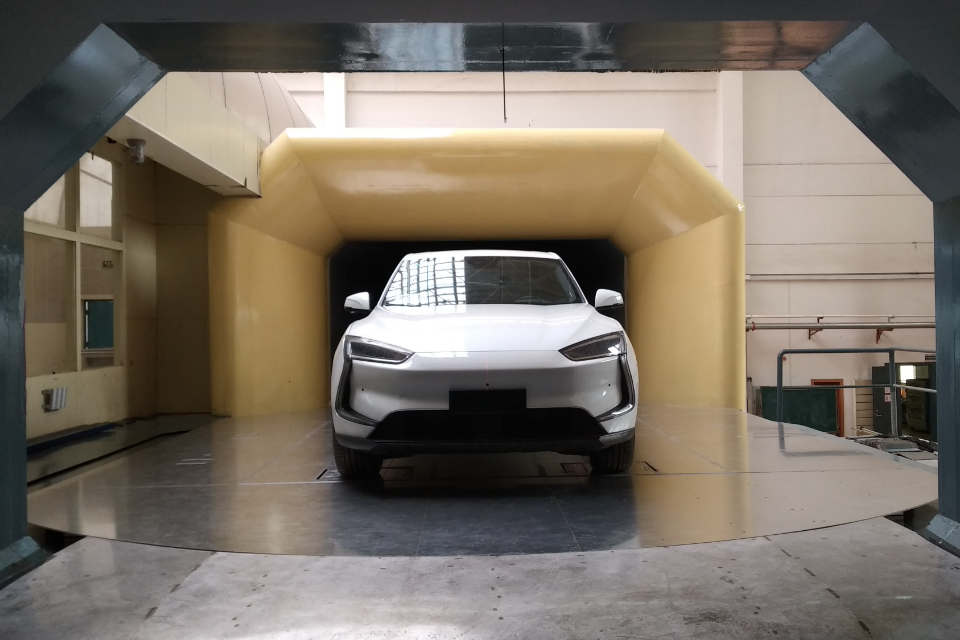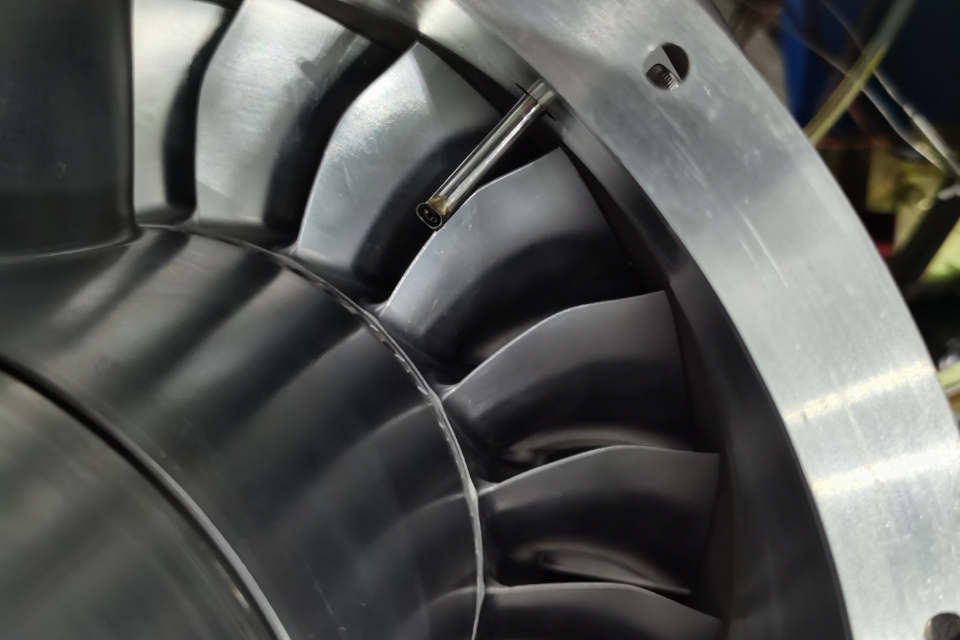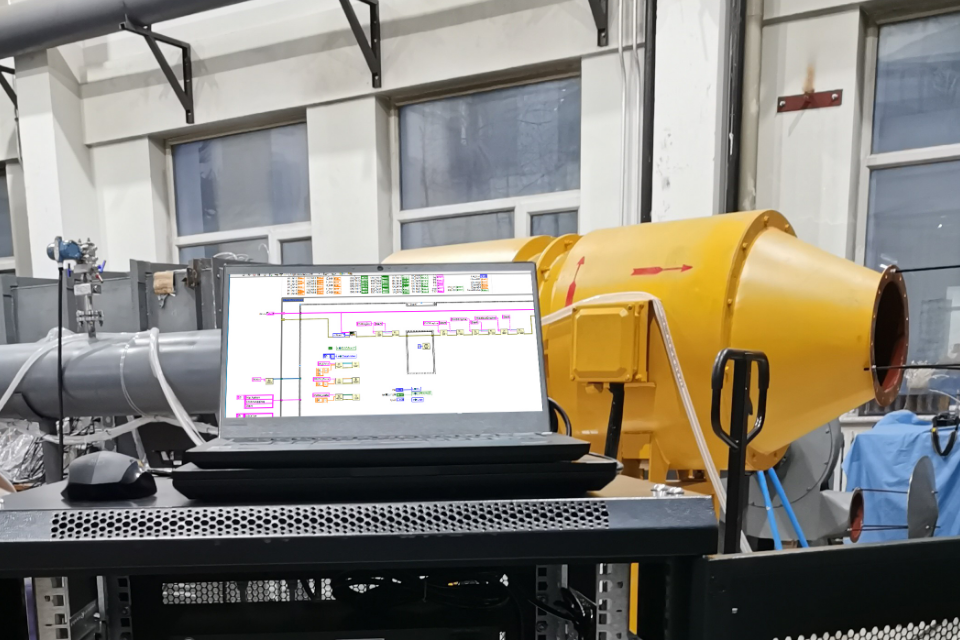

As wind tunnel experiments, engine test benches, and flight testing evolve toward higher loads and tighter tolerances, pressure scanners have become central to every major measurement and control setup. The demand for accuracy, rapid response, system reliability, and environmental resilience is far beyond what traditional devices were designed for. Windtuner steadily earns the trust of research institutes and industry partners through strong independent R&D, rigorous calibration systems, and engineering-driven product design, becoming a representative flow field measurement and control innovator.

The Windtuner Ethernet Intelligent Pressure Scanner
Windtuner treats scientific testing as a real engineering field rather than an idealized lab. Pressure scanners go through high temperature and pressure inside engine test chambers, vibration and shock in flight test environments, electromagnetic interference around turbomachinery, and rapidly changing flow conditions in automotive wind tunnels. Windtuner uses these tests to refine its system architecture and measurement algorithms to deliver scanners that uphold high accuracy and long-term stability. The accuracy of these devices must reach ±0.05%FS, sampling frequency to 500 Hz, and each device's 16 units must capture dynamic and steady-state pressures simultaneously. Researchers run high-speed aerodynamic experiments confident that the data remains accurate even as flow conditions fluctuate sharply.
Long-term stability and repeatability matter just as much as accuracy. Windtuner runs more than 10,000 hours of durability testing before moving any pressure scanner design into mass production. Multiple rounds of repeated calibration keep measurement drift at extremely low levels, giving researchers a stable and comparable data foundation for long-running experimental programs.

The Windtuner Ethernet Intelligent Pressure Scanner
As research equipment grows more complex, available installation space shrinks. Many teams struggle with oversized acquisition units, dense wiring, and models that cannot accommodate legacy hardware. Windtuner pushes its engineering effort toward higher integration and smaller form factors, achieving a compact pressure scanner that slots cleanly into wind tunnel models and engine rigs. The streamlined bus architecture carries multiple modules with a single communication cable, reducing wiring effort across the entire system. The internal electronics use optimized shielding and isolation to maintain stability in strong electromagnetic environments, while flexible interface designs support a wide range of installation scenarios. These engineering decisions deliver faster integration and higher testing efficiency for research teams that operate in constrained spaces.
Accuracy always traces back to calibration quality. Windtuner operates a calibration center under the ISO/IEC 17025:2017 system and runs the first private calibration wind tunnel in China accredited by CNAS. Every pressure scanner goes through multi-segment, multi-point calibration before delivery, with all data fully traceable to national metrology standards and internationally recognized.
Windtuner also provides third-party calibration services for scanners from other brands, giving research institutes a unified reference frame when comparing measurement results across platforms. The “in-house development plus in-house calibration” closed-loop workflow sets Windtuner apart in the high-end measurement and control market, ensuring each unit is designed, verified, and validated under the same strict standard.
High-accuracy measurement defines the foundation of scientific research, and long-term credibility comes from real engineering performance. Across the past decade, Windtuner pressure scanners have advanced from wind tunnels to flight vehicles and from controlled labs to full-scale engine platforms. With smaller size, stronger capability, and higher reliability, Windtuner continues to drive next-generation flow field exploration and engineer accuracy, intelligence, and consistency in global measurement and control applications.