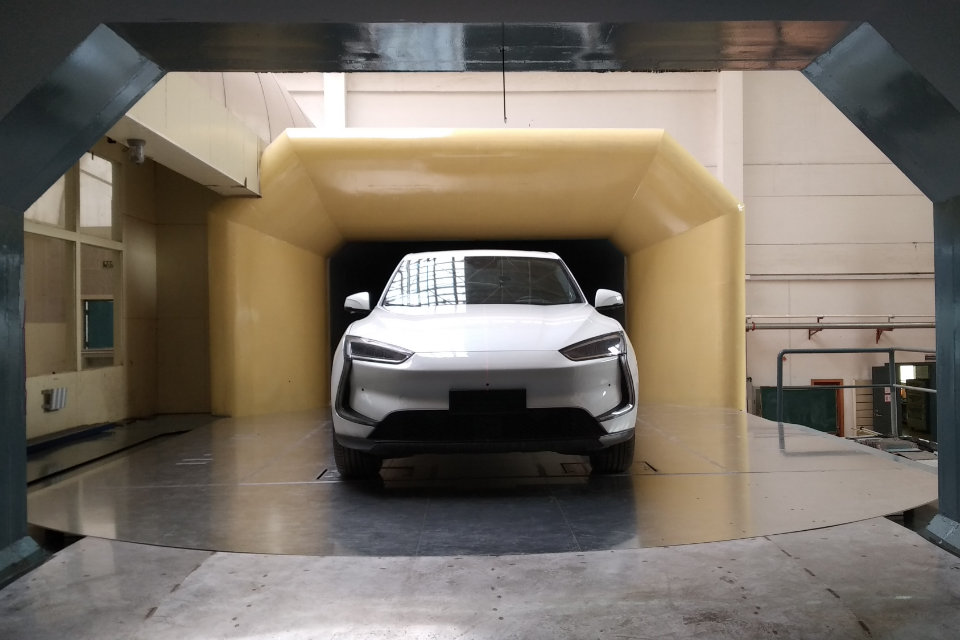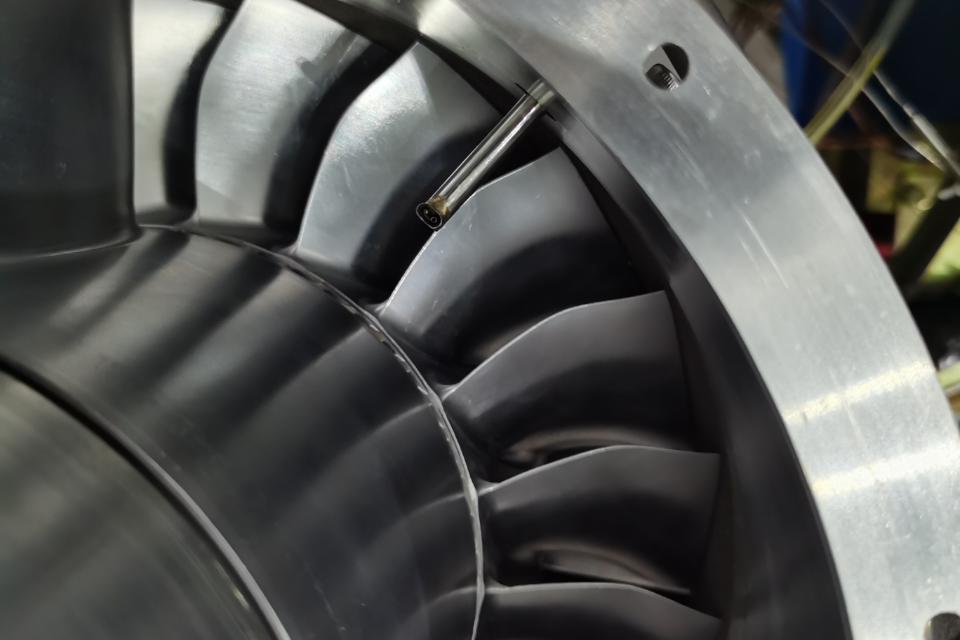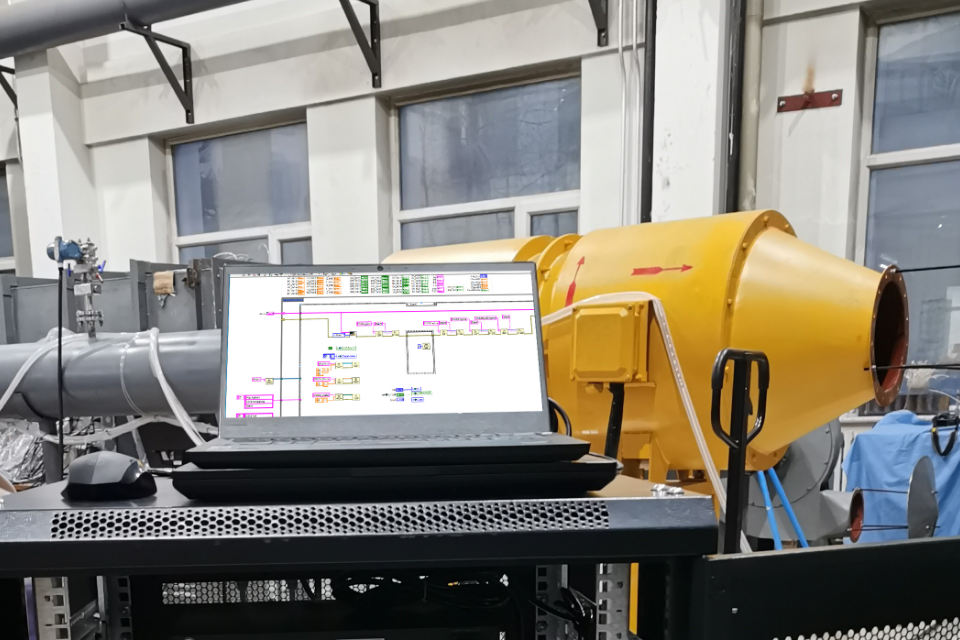

A Kiel probe measures total pressure using a sensing tip enclosed in a shroud. Within its supported range of flow angles, the shroud reduces the effect of changes in flow direction on the pressure reading. This makes it worth considering for development tests that focus on total pressure when the incoming flow is not always aligned with the probe axis. Its geometry and operating conditions still need to be checked. Lower sensitivity to flow angle does not mean that the probe can be mounted in any orientation.
Why Flow Direction Matters
Total pressure is the pressure a flow would reach if it were brought to rest under ideal conditions. A total pressure probe senses it through a pressure port facing the flow, while connected pressure acquisition equipment records the signal. The result is a pressure reading, not a direct measurement of velocity. Calculating velocity also requires a suitable static-pressure reference and the other necessary inputs.
With an ordinary unshrouded total pressure tip, a change in the angle between the flow and the probe axis can change the flow around the pressure port and affect the reading. In development tests, flow direction may vary with the measurement location or operating condition. A tip's sensitivity to flow angle is therefore part of selecting the right tool for total pressure measurement.
With an ordinary unshrouded total pressure tip, a change in the angle between the flow and the probe axis can change the flow around the pressure port and affect the reading. In development tests, flow direction may vary with the measurement location or operating condition. A tip's sensitivity to flow angle is therefore part of selecting the right tool for total pressure measurement.
What the Shroud Does
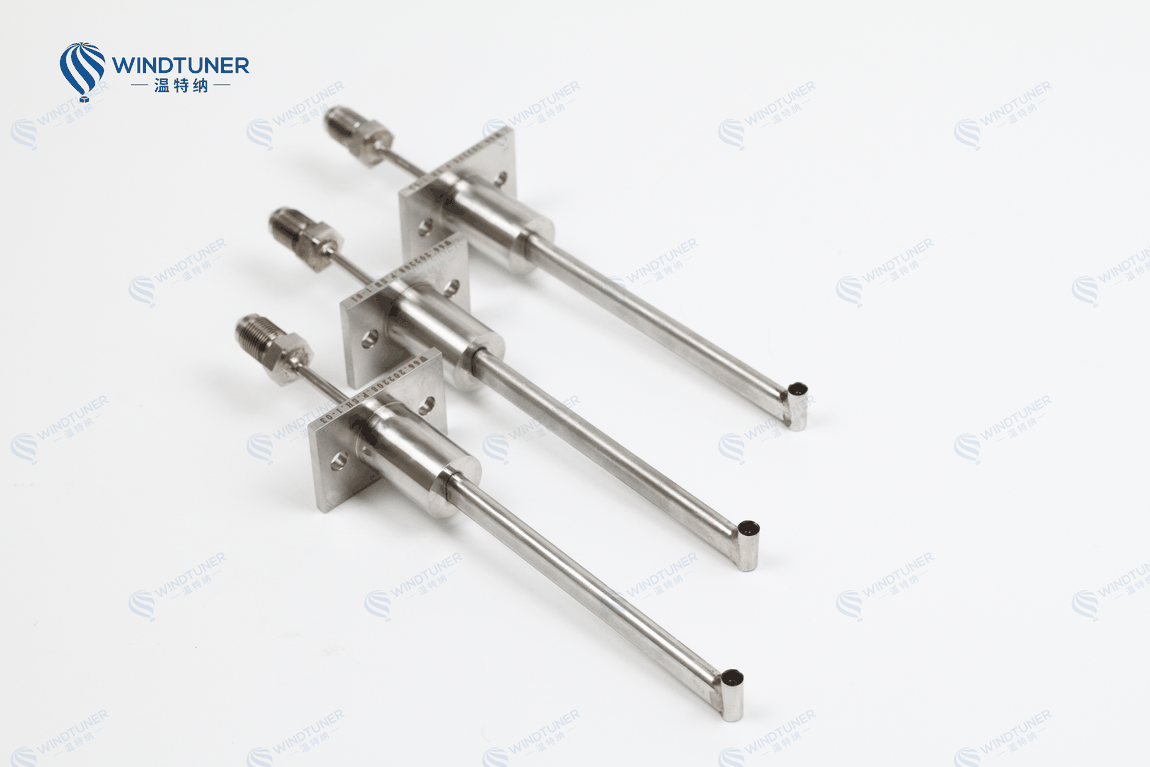
The shroud of a Kiel probe guides incoming flow so that the flow near the internal total pressure sensing point is more closely aligned with the probe axis. Over a defined range of flow angles, this reduces the effect of changes in the external flow direction on the pressure port. Shroud shape and the position and size of the internal tip all influence that behavior. Similar-looking probes may have different operating limits.
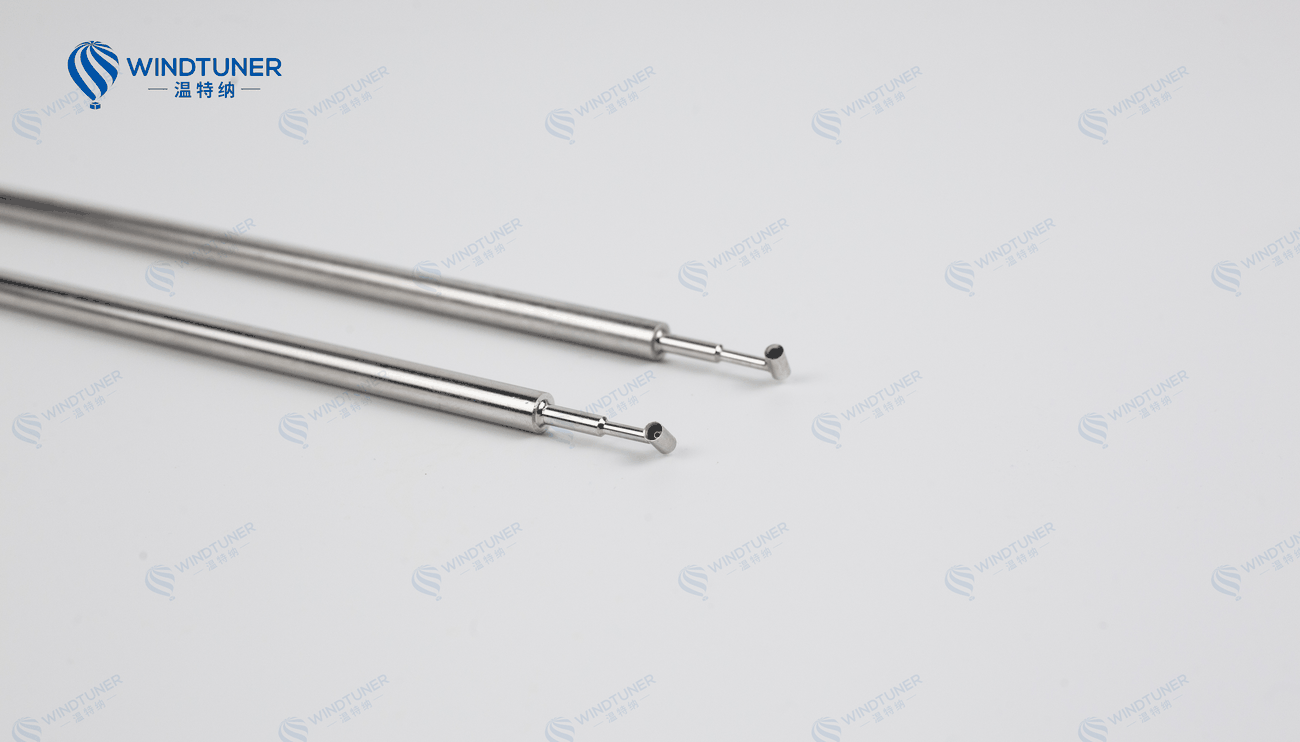
The shroud does not eliminate every source of measurement error. Readings can still be affected if the flow angle falls outside the supported range, if the probe does not suit the available test space, or if there is a problem with the pressure port or tubing. Mount the tip generally toward the expected incoming flow and check that the anticipated angles fall within its confirmed operating range.
The shroud does not eliminate every source of measurement error. Readings can still be affected if the flow angle falls outside the supported range, if the probe does not suit the available test space, or if there is a problem with the pressure port or tubing. Mount the tip generally toward the expected incoming flow and check that the anticipated angles fall within its confirmed operating range.
Using It in Development Tests
A Kiel probe may suit a wind tunnel or turbomachinery development test that needs total pressure readings at several locations where the flow direction is expected to vary. Practical details matter: can the sensing tip reach the intended point, can the stem be mounted properly, and does the shroud fit the test space? Those questions need to be considered alongside the test-section geometry and measurement-point layout.
WINDTUNER's pneumatic probes are mainly used in product development and testing. Materials, tip geometry, stem length, and mounting arrangements can be customized for the test. The same considerations apply when specifying a Kiel probe. Where pressure data is needed at several locations, a probe arrangement can be considered together with a pressure scanner for data acquisition.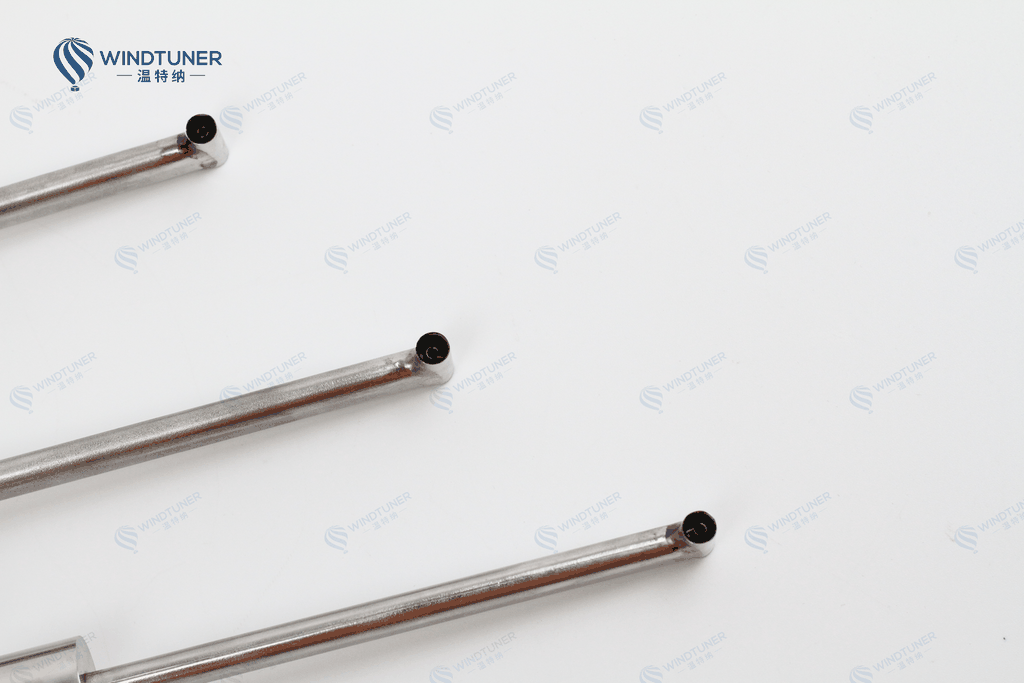
WINDTUNER's pneumatic probes are mainly used in product development and testing. Materials, tip geometry, stem length, and mounting arrangements can be customized for the test. The same considerations apply when specifying a Kiel probe. Where pressure data is needed at several locations, a probe arrangement can be considered together with a pressure scanner for data acquisition.
Total Pressure Is Not Flow Direction
A Kiel probe is less sensitive to changes in flow angle, but it does not report that angle. If the test also needs flow direction, total pressure, static pressure, or velocity, consider multi-hole probes with the appropriate calibration and measurement setup. The decision should follow the data required, rather than the probe's appearance or pressure-port count.
Before using a Kiel probe, define the purpose of the total pressure measurement, the expected changes in flow direction, the temperature conditions, and the available mounting space. Those details guide the probe geometry and pressure acquisition setup. A Kiel probe reduces the effect of flow-angle changes on total pressure readings within its operating range. Whether that benefit suits a particular test depends on the actual conditions.
Before using a Kiel probe, define the purpose of the total pressure measurement, the expected changes in flow direction, the temperature conditions, and the available mounting space. Those details guide the probe geometry and pressure acquisition setup. A Kiel probe reduces the effect of flow-angle changes on total pressure readings within its operating range. Whether that benefit suits a particular test depends on the actual conditions.