
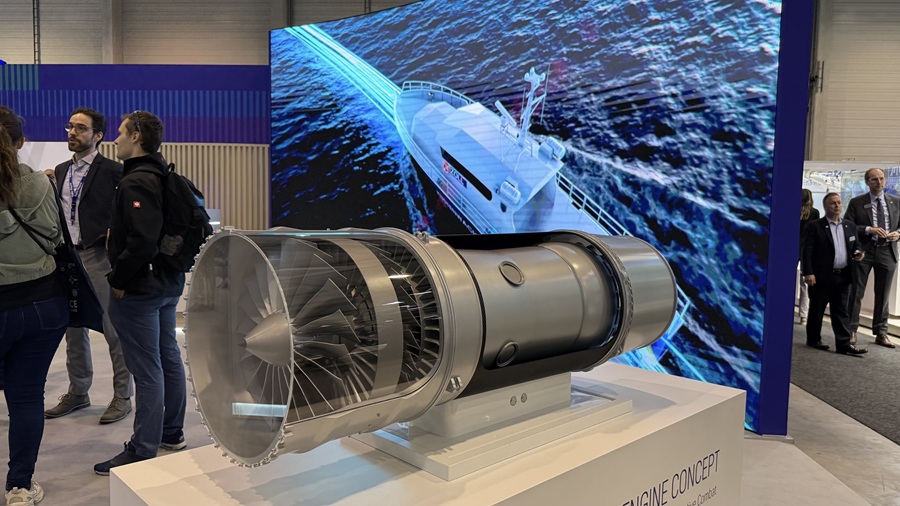
At ILA, the team split time between the exhibition floor and a handful of technical forums. The forums were the more useful part. These were not the large-stage sessions — they were smaller working discussions, the kind where someone presents a specific instrumentation problem they ran into, and three or four people in the room have had the same problem and want to compare notes. High-altitude simulation testing. Flow field calibration across multiple test sites. Probe data integration into downstream analysis workflows. WINDTUNER's engineers had things to contribute on all of those fronts, and they also came away with a clearer sense of which problems the international testing community is currently wrestling with most actively.
That kind of information does not come from reading industry publications. You need to be in the room.
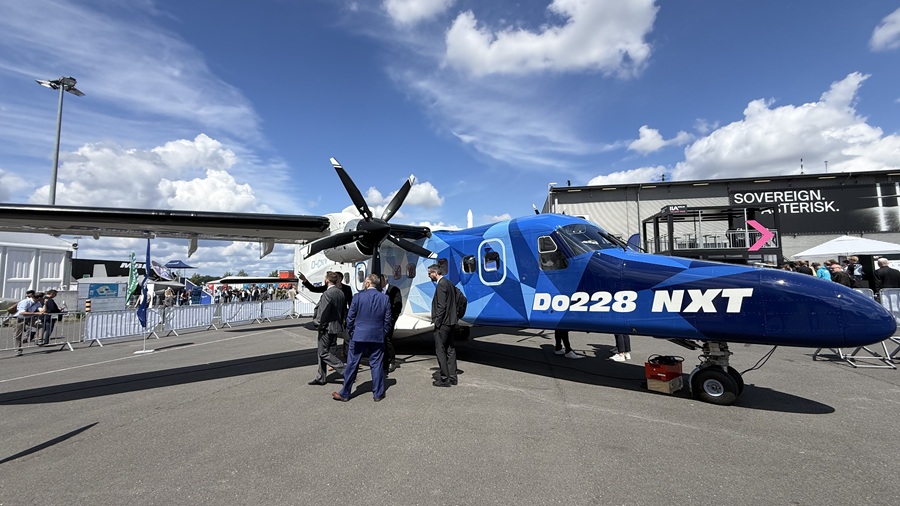
On the commercial side: the company was transparent about what it builds and what its technical baseline looks like. Five-hole probes developed domestically, no reliance on imported components to hit performance spec, calibration traceability through a nationally accredited lab. Some of the people they spoke with — from test facilities in Germany, from procurement teams at European programs, from researchers at a couple of universities — had not previously had detailed visibility into what Chinese instrumentation suppliers are actually building now. Those conversations were worth having.
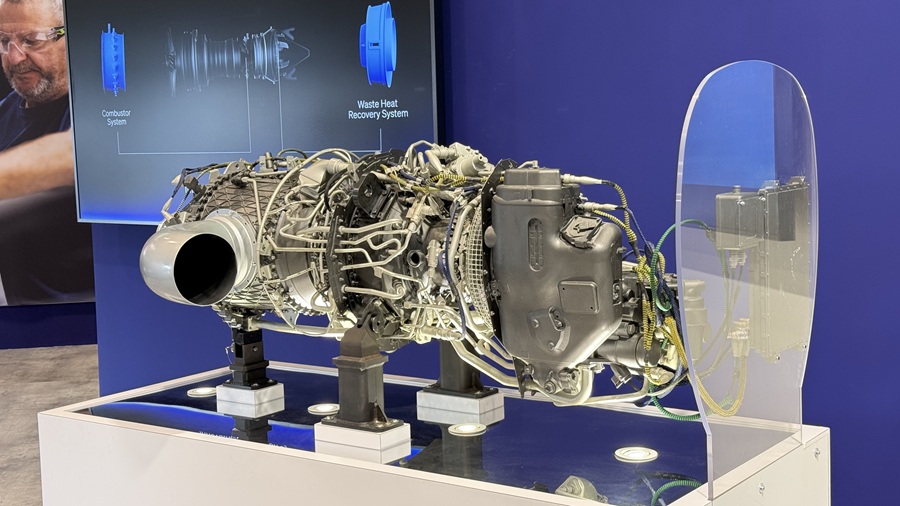
Nothing closed during the week. That was expected. This kind of market takes time. But the contacts made at ILA — engineers who now know what WINDTUNER makes and where to reach them, program managers who raised questions about qualification requirements and lead times — those are the starting points.
The team flew back on the 15th. The debrief is ongoing.