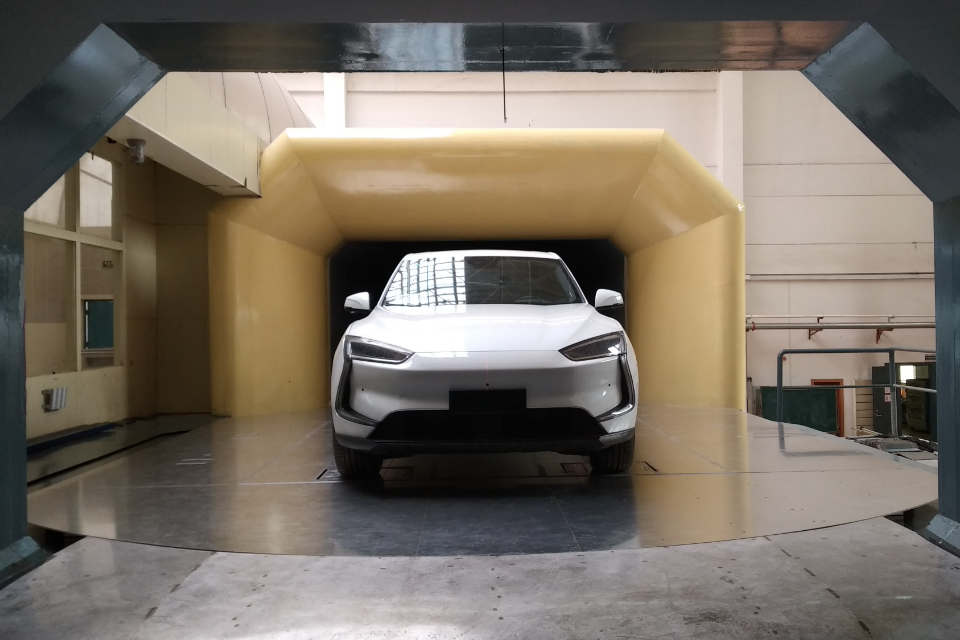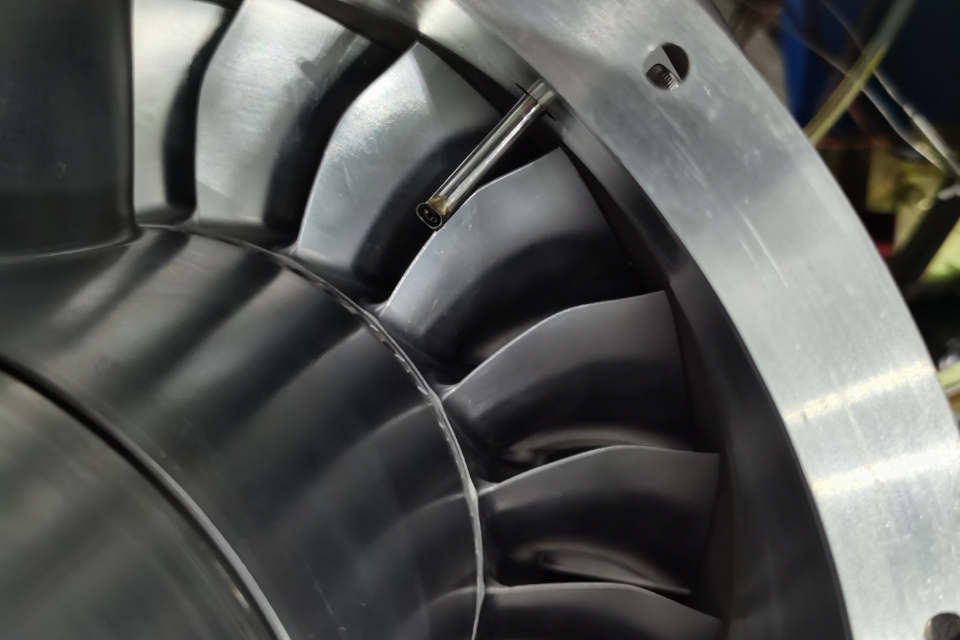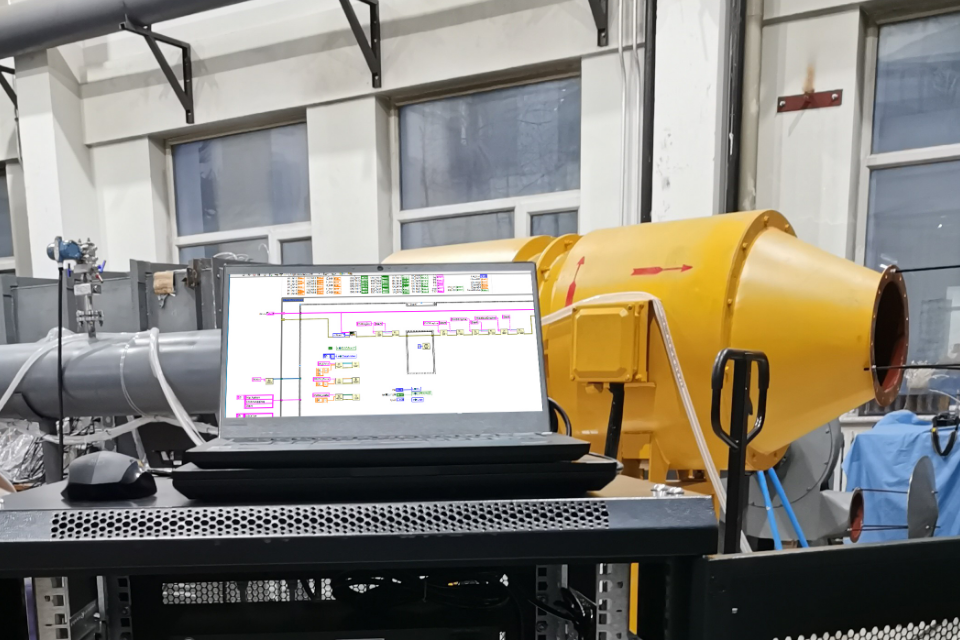

In aerodynamic testing, the viability of pressure data is a consistent question. When a research team mounts a probe behind a turbine blade or positions one upstream of a compressor face, that probe is the only thing standing between the engineers and their conclusions. Different configurations serve different purposes. A single-hole probe is enough to read total pressure, but three-hole probes are neccesary for two-dimensional flow angles and velocity. Five-hole and seven-hole probes go further, their pressure port placements capable of capturing full three-dimensional flow fields and recovering velocity magnitude, direction, and static pressure from a single traverse. Windtuner manufactures all of these configurations, and each unit ships after calibration in a CNAS-accredited wind tunnel.
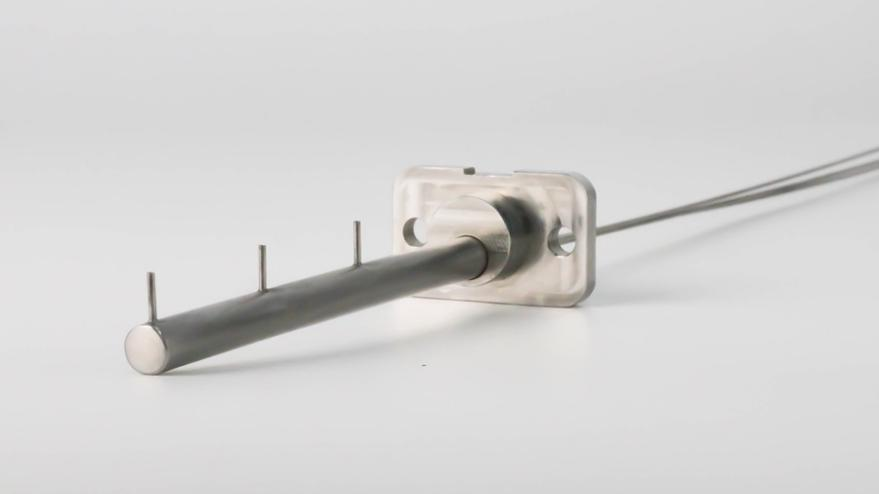
Rake-Shaped Pneumatic Probe
The Five-Hole Probe in Practice
The five-hole probe is the most widely used probe in flow field testing. It measures flow velocity, pitch angle, yaw angle, static pressure, and total pressure at the same time. Engineers run five-hole probes in cascade wind tunnel experiments, map compressor stages, and survey wakes behind turbine blades. The probe returns a full three-dimensional velocity vector at each point, which then feeds directly into flow field visualization and performance analysis. Windtuner five-hole probes operate from Mach 0 to 2 with angle ranges up to 30 degrees. That range covers both subsonic and supersonic work without switching hardware.
When Flow Direction Becomes Unpredictable
Flow fields do not always cooperate with the measurement tools available. At high angles of attack, a five-hole probe starts losing accuracy. A seven-hole probe handles this problem. It maintains reliable measurements across 160 degrees of angular coverage, which makes it suitable for inlet distortion testing, highly separated flows, and any test setup where the incoming flow direction shifts unpredictably. Windtuner builds seven-hole probes using the same micron-level 3D metal printing process as the rest of the probe line, so every unit carries consistent geometric tolerances.
The fourteen-hole probe has the widest angular coverage in the Windtuner probe lineup: up to 160 degrees across a Mach range of 0 to 0.95. It comes in L-shaped and straight strip form factors, giving test engineers options for probe routing and installation in tight test sections. All Windtuner multi-hole probes are built with micron-level additive manufacturing. This process builds stronger parts than conventional machining. In side-by-side testing, a machined probe deforms under 340 N of load, while a 3D-printed probe of the same geometry holds up to 900 N. The printed probes also show more consistent angular calibration curves. Calibration points have better orthogonality, and bilinear interpolation returns higher accuracy across the board.
Factory Calibration and Traceability
Before any probe leaves the facility, Windtuner calibrates it in one of three CNAS-accredited wind tunnel laboratories. The calibration covers supersonic, subsonic, or low-speed regimes depending on the probe type. Each calibrated probe ships with a certificate and traceable measurement data. Clients can also request calibration services on their own schedule. This traceability means engineering teams can apply the data directly to design decisions instead of running additional verification steps that eat into development schedules.
From Design to Delivery
Windtuner has produced over 10,000 probe designs and logged more than 100,000 calibration data records across aerospace engine testing, turbomachinery research, automotive wind tunnels, and marine propulsion. When a client needs a non-standard geometry, material, or mounting arrangement, the same aerodynamic engineering team handles the full chain: requirement review, probe design, additive manufacturing, calibration, and delivery. Because the design team and calibration team work under one roof, the handoff errors common in outsourced manufacturing do not show up here.