
When an aircraft sits on the ground without a protective cover over the airspeed probe, sand, dust, or insects may enter the total pressure channel. Partial or complete blockage could cause serious hazards. As the aircraft climbs, the external static pressure drops while the total pressure trapped inside the tube remains at near-ground level. This causes the differential pressure sensor to read an artificially high value. The indicated airspeed rises continuously with altitude and can eventually exceed the maximum allowable airspeed, triggering an overspeed warning. Even if a pilot misinterprets this false indication and throttles back without descending, the warning still persists. Under poor visibility or limited external references, an inexperienced pilot might react incorrectly, pushing the aircraft into a stall and potentially leading to a catastrophic loss of control. This is why pre-flight inspections always include checking the total pressure port and static port to confirm that no blockage is present.
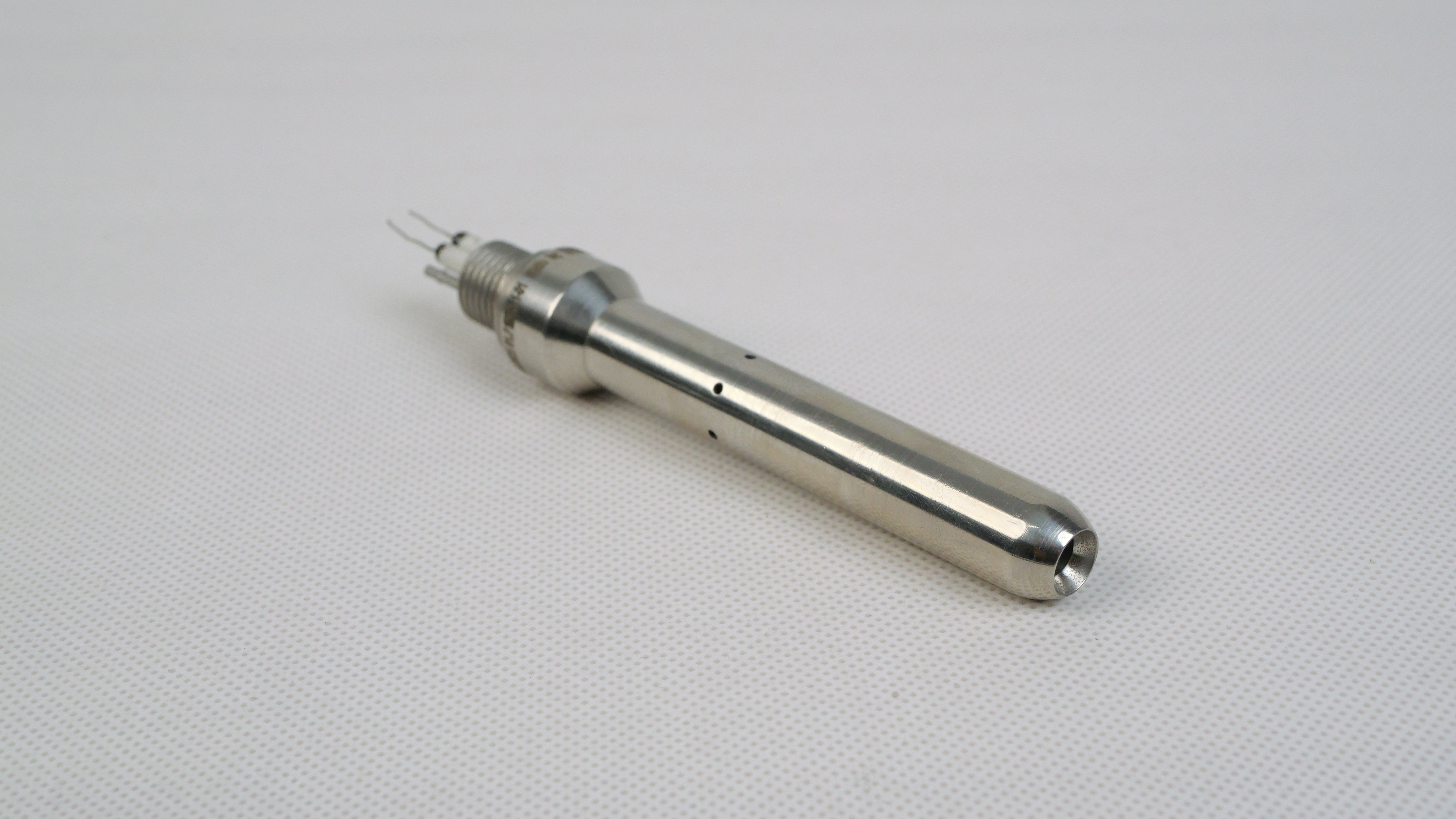
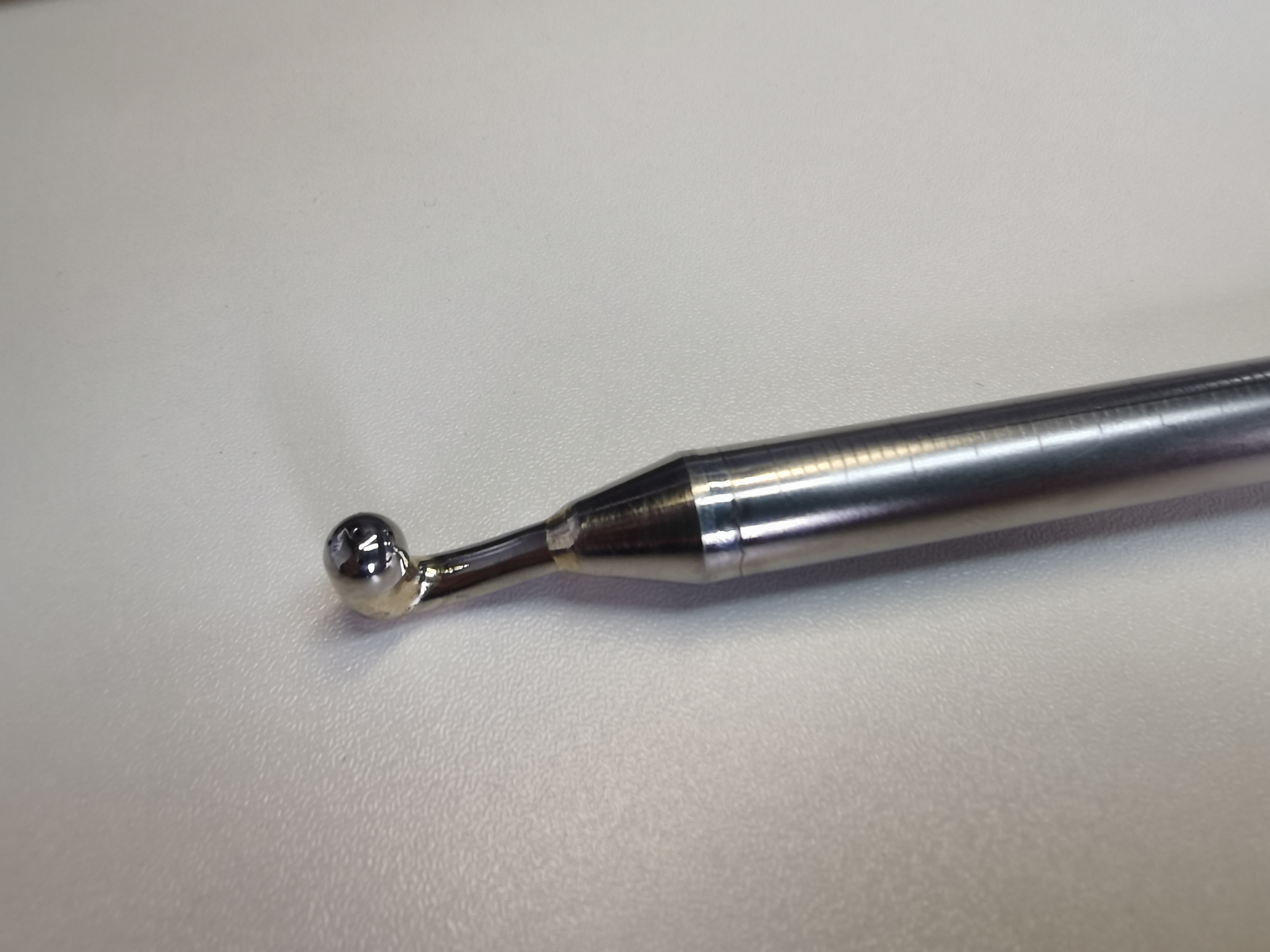
An Windtuner Airspeed Probe
Windtuner integrates a heating system and a dedicated drainage port into the Five-Hole Differential Airspeed Probe. The drainage design expels rainwater, condensation, and meltwater from ice removed by the heating element. If foreign material blocks the drainage channel, moisture remains inside the probe. Residual water disrupts airflow characteristics within the tube and affects the pressure readings at the base of the probe where the high-accuracy pressure sensors sit. When excessive water accumulates in the U-shaped section of the pipeline, airflow becomes obstructed and pressure errors increase significantly.
Airspeed probes may also suffer structural damage if struck by external objects during operation. Any unnoticed deformation or fracture directly compromises flight safety. This is why during every pre-flight and post-landing inspection, the airspeed probe remains one of the components receiving the closest attention from maintenance personnel.