
That requirement is creating a larger role for two closely linked instruments: the five-hole probe and the intelligent pressure scanner.
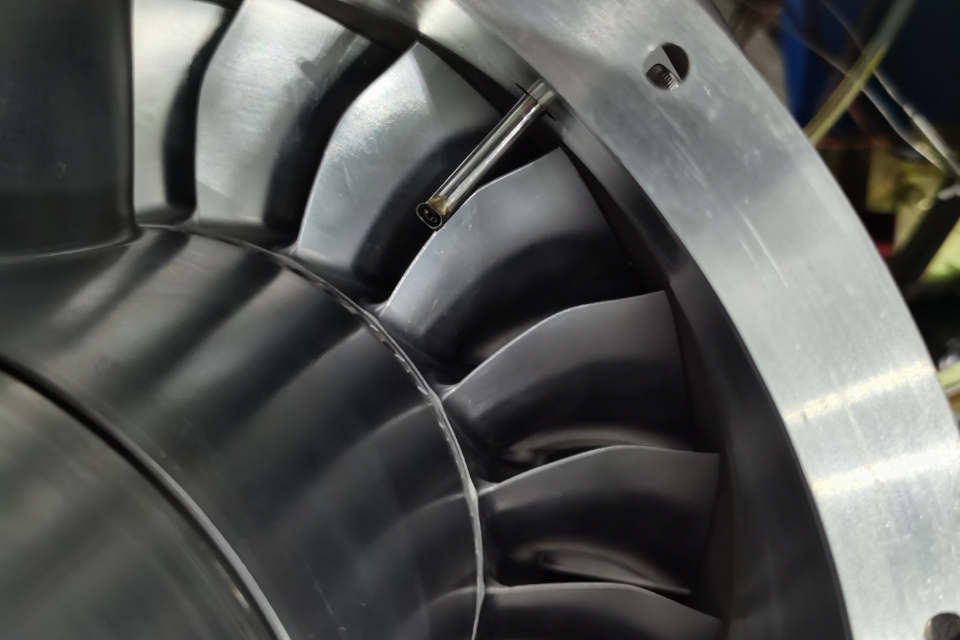
A five-hole probe measures pressure through five openings arranged around its sensing head. The pressure differences among those ports vary with the direction and speed of the incoming flow. After the probe has been calibrated, those readings can be converted into flow angles, velocity-related quantities, and total and static pressure.
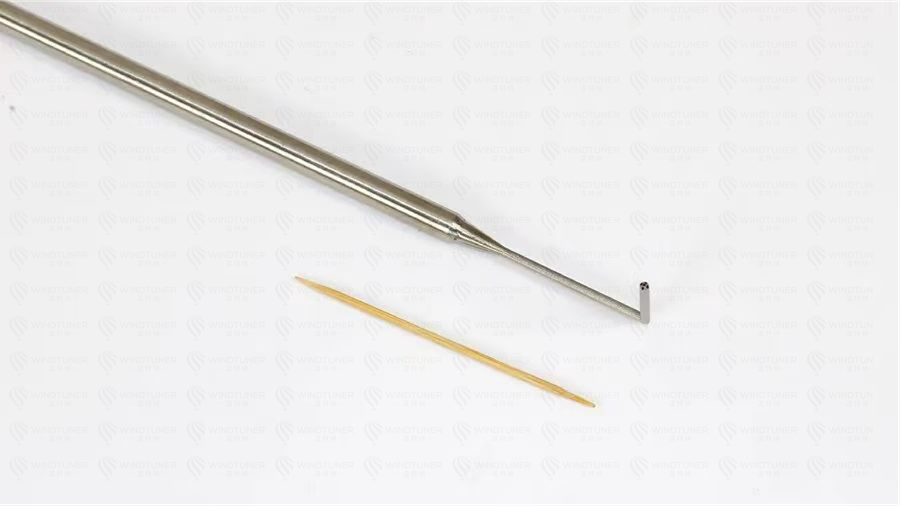
NASA describes the instrument as a means of obtaining pitch and yaw information simultaneously in flight or determining flow angularity in two perpendicular planes during a wind-tunnel test. When the probe is moved through a test section, it can also build a spatial map of the flow rather than producing a measurement at only one position.
The challenge is that a probe does not produce engineering results by itself. Each pressure port must be connected to a measurement device, and those channels must remain sufficiently consistent for the calibration model to reconstruct the flow accurately.
Dalian WINDTUNER Technology is positioning its Ethernet intelligent pressure scanner as the acquisition layer in that measurement chain. According to the company’s overseas website, the scanner integrates 16 pressure channels and offers specified accuracy of ±0.05% of full scale. The system includes zero and full-scale calibration functions as well as automatic purging.
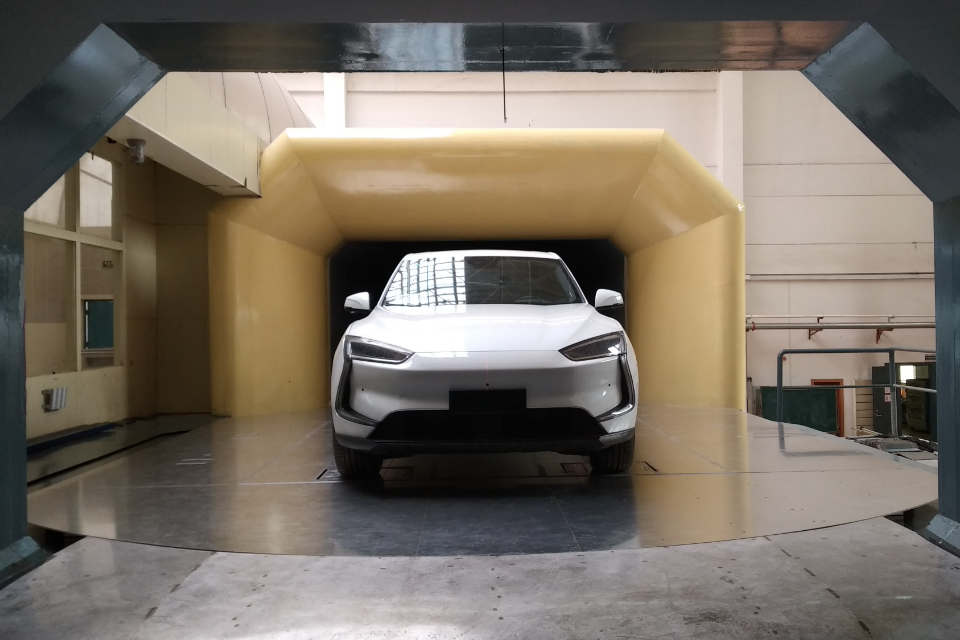
The combination can be particularly useful in wind-tunnel uniformity testing. Engineers commonly evaluate a tunnel’s exit plane at a grid of points to identify variations in pressure, velocity and flow direction. The probe senses the local flow at each position, while the scanner records the five pressure signals needed to calculate the three-dimensional result.
In a case published by WINDTUNER, Dalian University of Technology used a five-hole probe, a 16-channel pressure scanner, an electric displacement mechanism and motion-control software to examine a wind-tunnel outlet. The positioning equipment moved the probe along a predetermined path, while the scanner recorded pressure data for subsequent analysis. The university’s participation and results are reported by WINDTUNER and should be understood as a company-published case rather than an independently audited study.
Applications extend beyond tunnel acceptance tests. In turbomachinery, engineers can traverse a probe downstream of compressor or turbine stages to examine turning, secondary flow and pressure loss. Automotive researchers can map wakes and investigate airflow around cooling inlets. Fan and wind-energy developers can study nonuniform inflow or blade-generated wakes. Flight-oriented five-hole probes can also support the determination of airspeed, angle of attack and sideslip, subject to the design and calibration of the installed system.
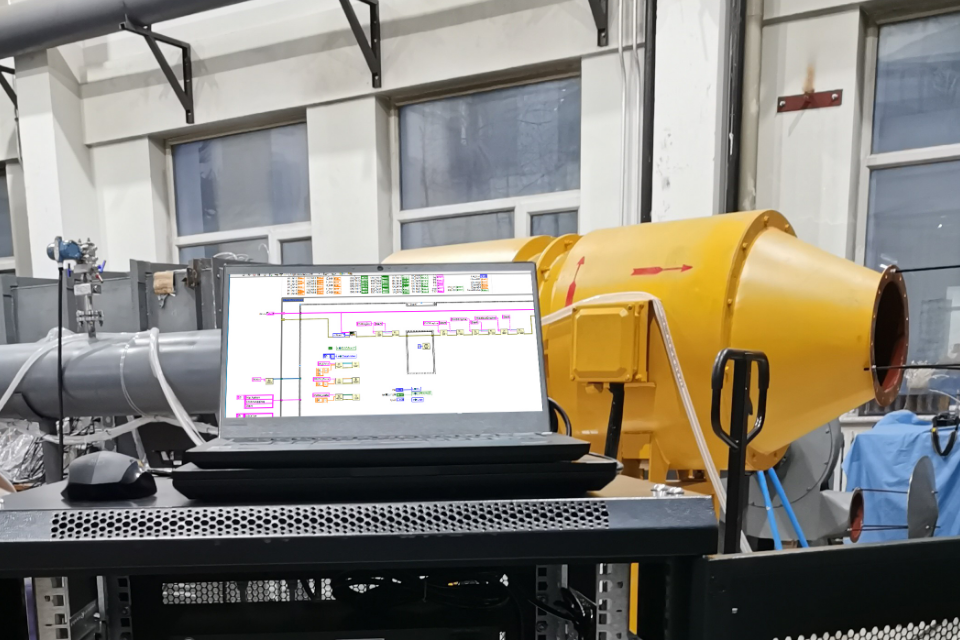
For test managers, the main value lies in integration. Automated positioning is useful only when the recorded pressure data correspond to the correct spatial coordinates.WINDTUNER says its system can combine pressure acquisition with motion control and its WindLabX software, which handles equipment control, collection, storage and analysis.
There are practical limits. Pneumatic tubing introduces response delays, particularly when lines are long or pressure differences are small. Port contamination can change a probe’s aerodynamic response. Pressure range selection also matters: a transducer sized for high pressures may provide inadequate resolution in a low-speed test.
These constraints make system design as important as headline accuracy. A useful measurement chain must match the probe geometry, scanner range, tubing, calibration dataset, sampling strategy and positioning equipment to the experiment.
The emerging lesson is straightforward. The five-hole probe remains a comparatively simple physical sensor. Its growing value comes from pairing that sensor with coordinated acquisition, calibration and automation—turning five small pressure ports into a repeatable map of a complex flow field.