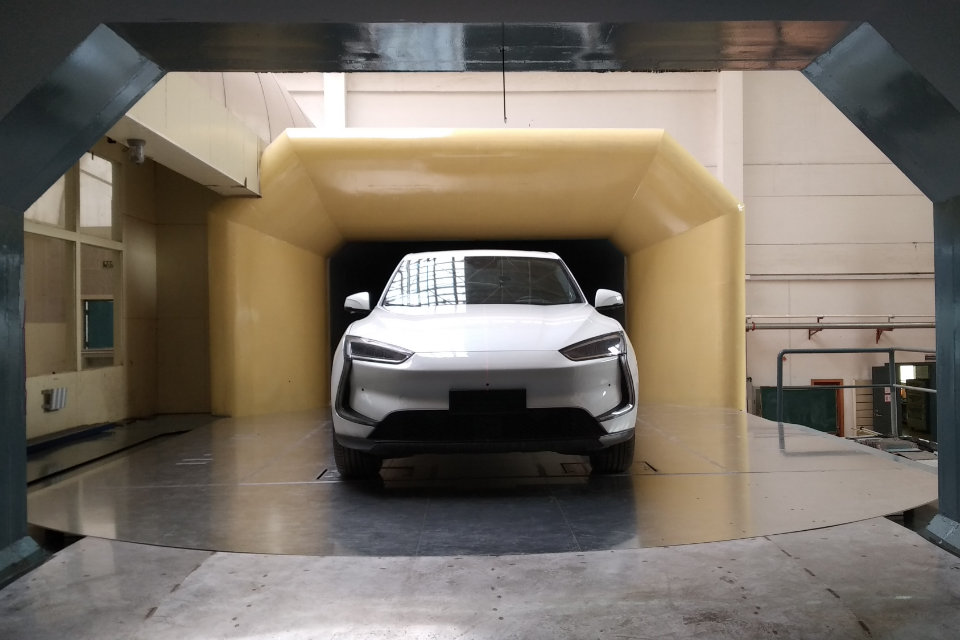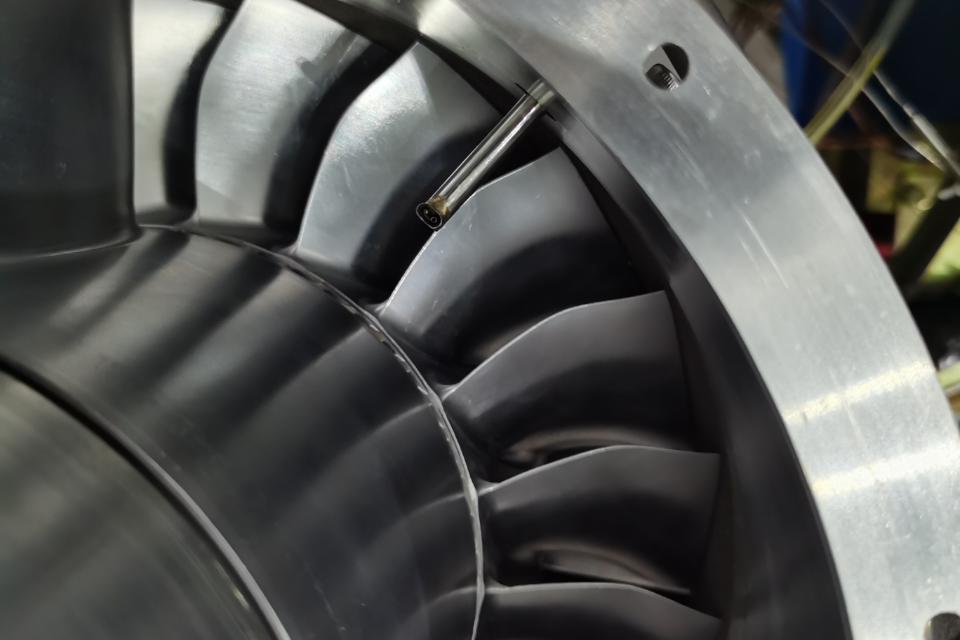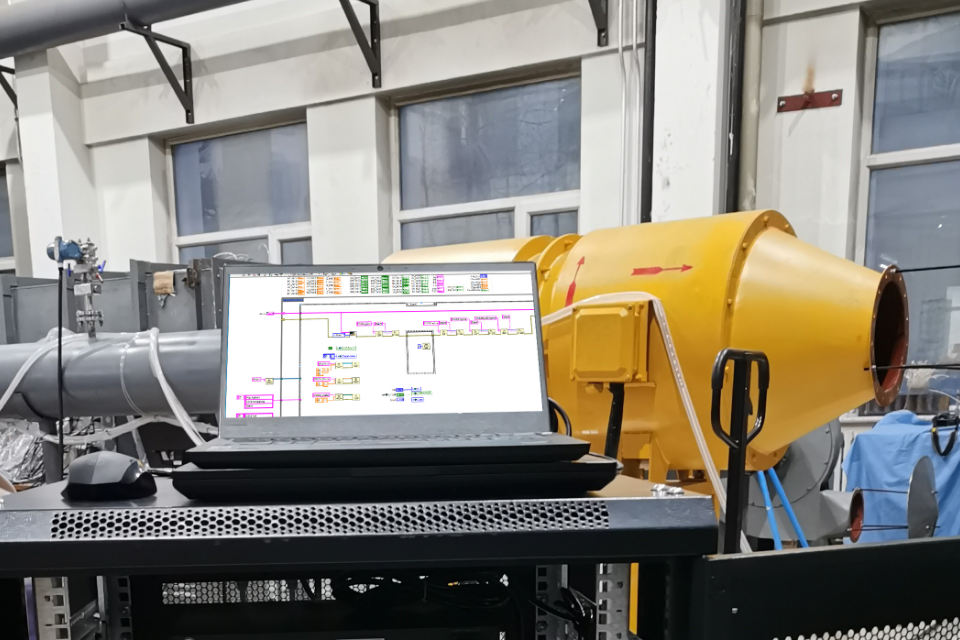

An air data computer uses pressure, temperature, and other measurements from an airspeed measurement system to provide flight parameters such as airspeed and altitude. The airspeed probe senses the airflow, a supporting temperature sensor supplies temperature data, and the computer processes the measurements. WINDTUNER offers configurations for five-hole differential pressure airspeed probes and pitot-static probes. Their measurement arrangements differ, so their inputs and available outputs must be considered separately.
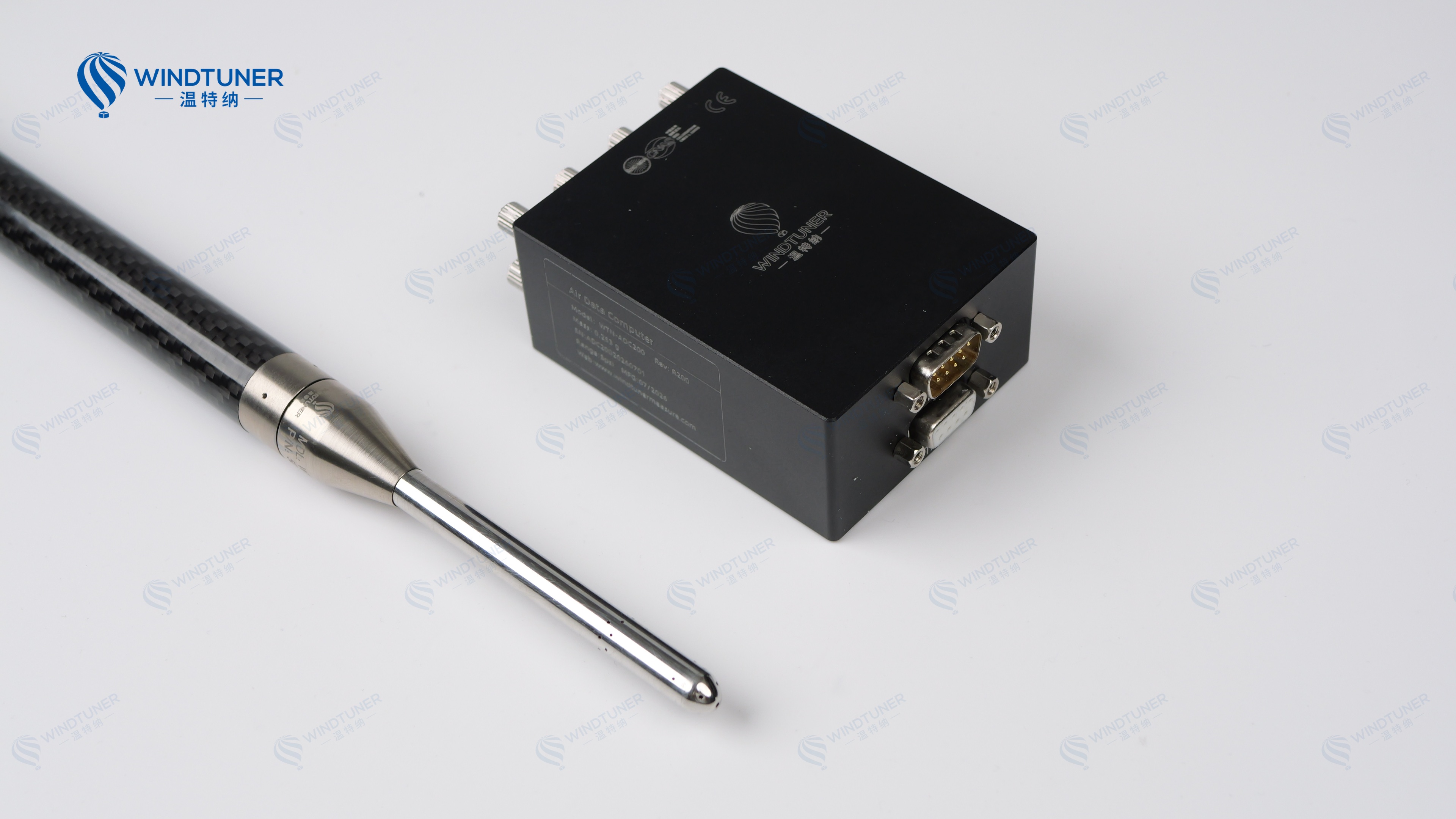
Pitot-Static Probes Supply Two Pressure Measurements
A pitot-static probe senses total pressure through a port facing the flow and static pressure through its static ports. The supporting system measures those pressures and uses the required temperature data and correction relationships to calculate the relevant air data parameters. Total pressure, static pressure, dynamic pressure, and airspeed are distinct quantities. Pressure readings need the appropriate processing before they can provide a velocity result.
WINDTUNER's pitot-static configuration can work with an air data computer to output pressure information and calculate calibrated airspeed, true airspeed, Mach number, and pressure altitude. Temperature measurements and processing also contribute to the relevant calculations. Total and static temperature have different meanings and are not interchangeable. The temperature sensor and the data it supplies must suit the calculation method.
WINDTUNER's pitot-static configuration can work with an air data computer to output pressure information and calculate calibrated airspeed, true airspeed, Mach number, and pressure altitude. Temperature measurements and processing also contribute to the relevant calculations. Total and static temperature have different meanings and are not interchangeable. The temperature sensor and the data it supplies must suit the calculation method.
Five-Hole Airspeed Probes Add Flow-Angle Information
A five-hole differential pressure airspeed probe has several pressure ports at its tip. Each port responds differently as the flow direction changes relative to the probe. The air data computer uses the measured pressures and calibration relationships to calculate airspeed and flow angles. The angle information comes from the pressure responses across the ports, not simply from the difference between total and static pressure.
WINDTUNER's five-hole differential pressure airspeed probe configuration provides airspeed, altitude, angle of attack, sideslip angle, and the relevant temperature information. Angle of attack and sideslip are important distinctions from the pitot-static configuration. Two systems that both provide airspeed do not necessarily offer the same output parameters. During integration, confirm what each measured and calculated value represents for the chosen configuration.
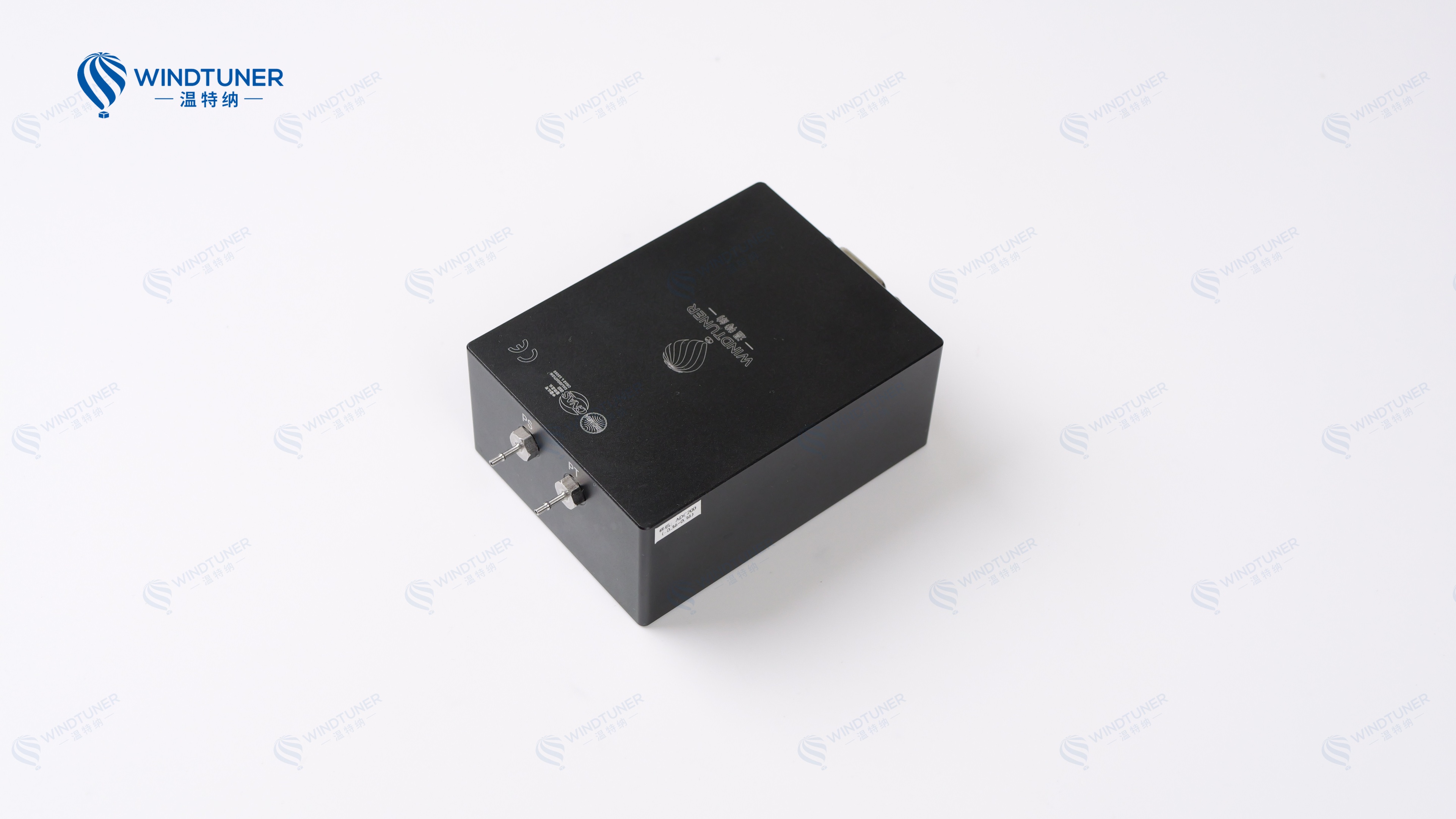
WINDTUNER's five-hole differential pressure airspeed probe configuration provides airspeed, altitude, angle of attack, sideslip angle, and the relevant temperature information. Angle of attack and sideslip are important distinctions from the pitot-static configuration. Two systems that both provide airspeed do not necessarily offer the same output parameters. During integration, confirm what each measured and calculated value represents for the chosen configuration.
Airspeed and Groundspeed Are Different
Airspeed describes an aircraft's motion relative to the surrounding air. Groundspeed describes its motion relative to the ground. Wind can make the two differ. An air data computer cannot determine groundspeed from airspeed-probe inputs alone. Groundspeed must come from the appropriate navigation system and should not be treated as the same quantity as measured airspeed.
Airspeed also has several definitions. Calibrated airspeed and true airspeed, for example, are not interchangeable names. The receiving system needs to know which quantity is being sent and in what units. Altitude data needs the same care: pressure altitude is not a generic substitute for every other altitude reference.
Airspeed also has several definitions. Calibrated airspeed and true airspeed, for example, are not interchangeable names. The receiving system needs to know which quantity is being sent and in what units. Altitude data needs the same care: pressure altitude is not a generic substitute for every other altitude reference.
Match the Output to the Receiving System
An air data computer sends data to the receiving system through a digital interface. WINDTUNER's relevant configurations use digital communication and supporting maintenance software to set output parameters. Integration requires checking the interface, data format, output rate, and parameters supported by the receiver. A connector that fits does not establish that the software can read and use the data correctly.
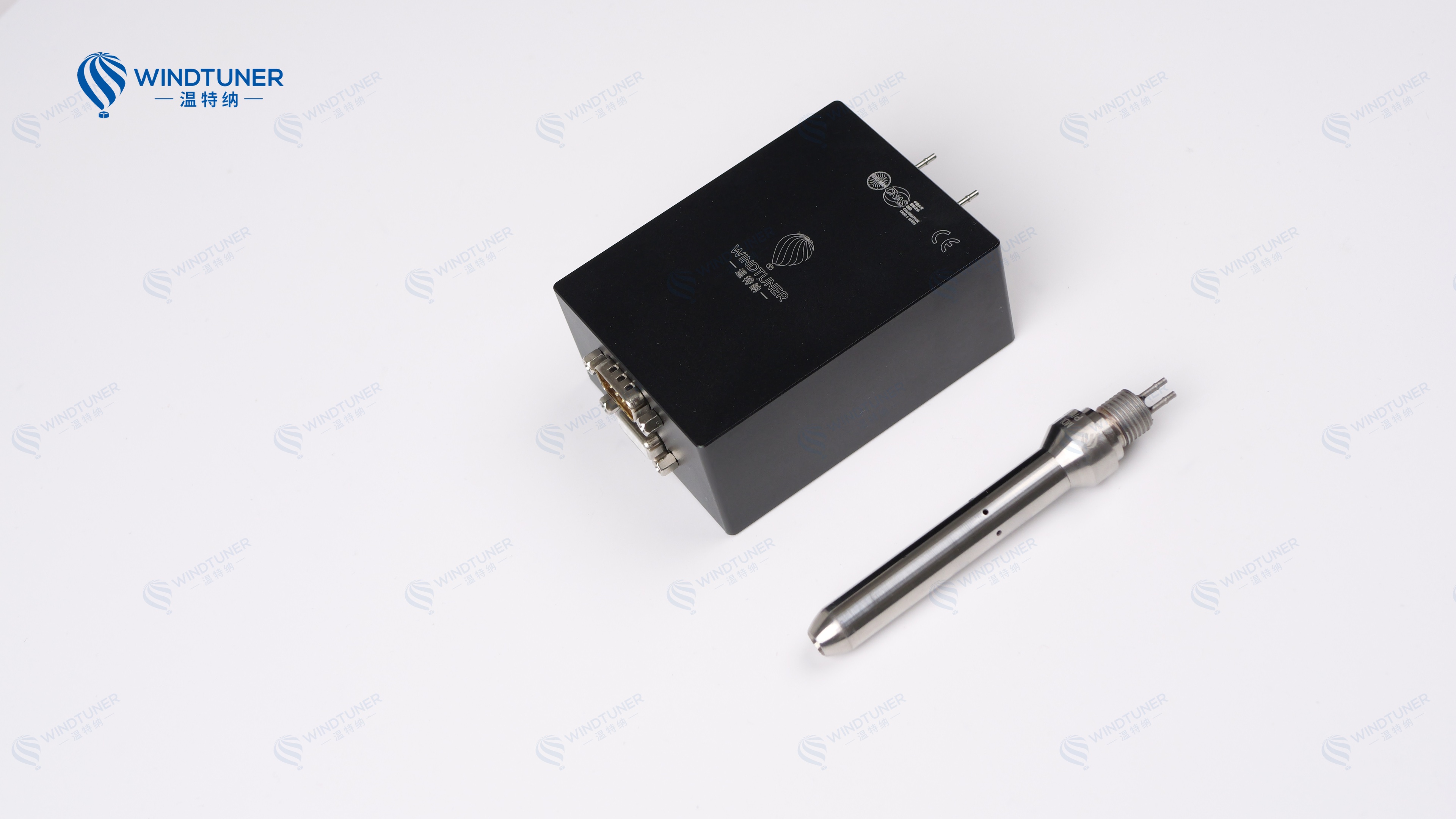
Installation also affects the inputs. Nearby aircraft structures and local airflow can influence pressure measurements, so probe placement needs to be considered against the aircraft layout, with aerodynamic corrections where required. Heating and drainage features address the relevant environmental conditions. They do not replace installation and system-matching checks.
Before selecting an air data computer, list the airspeed, altitude, angle, and temperature parameters the aircraft needs. Then determine whether the system calls for a five-hole differential pressure airspeed probe or a pitot-static probe. WINDTUNER can discuss the probe, temperature sensor, and processing configuration around those requirements. Clear input sources, output definitions, and communication requirements allow the receiving system to use the air data computer's information correctly.