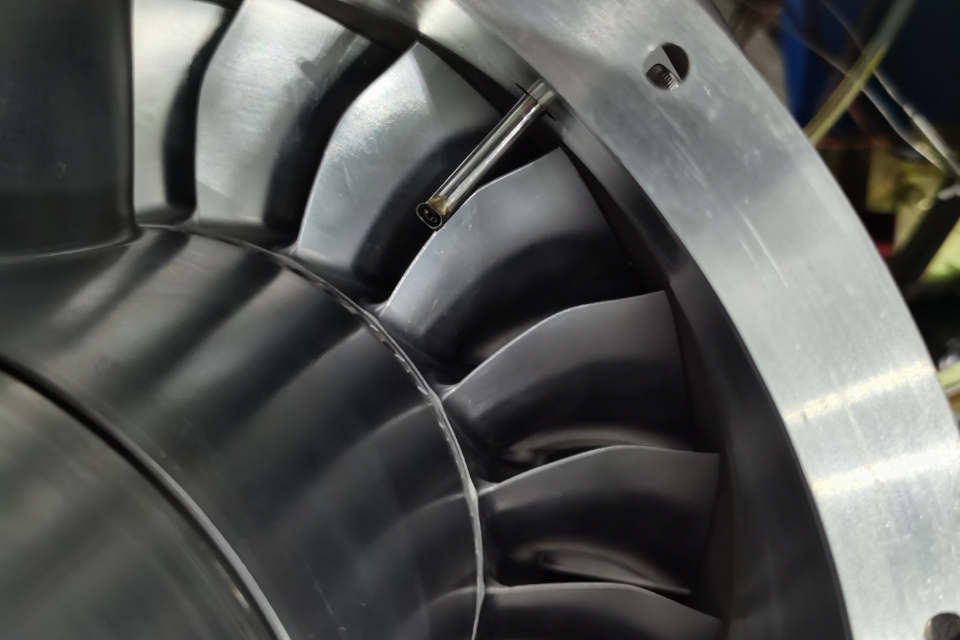

A 7-hole probe is useful in development tests where engineers need to understand three-dimensional flow direction. If air reaches a measurement point from a predictable direction, the setup can be relatively simple. Around bends, downstream of rotating machinery, or in a wake, the flow can turn in two directions at once. A single pressure reading, or one focused on only one direction, cannot fully describe that local flow. A 7-hole probe samples pressure through several ports in its tip, then uses calibration data to determine flow angles and other parameters.
What the Seven Pressure Ports Tell You
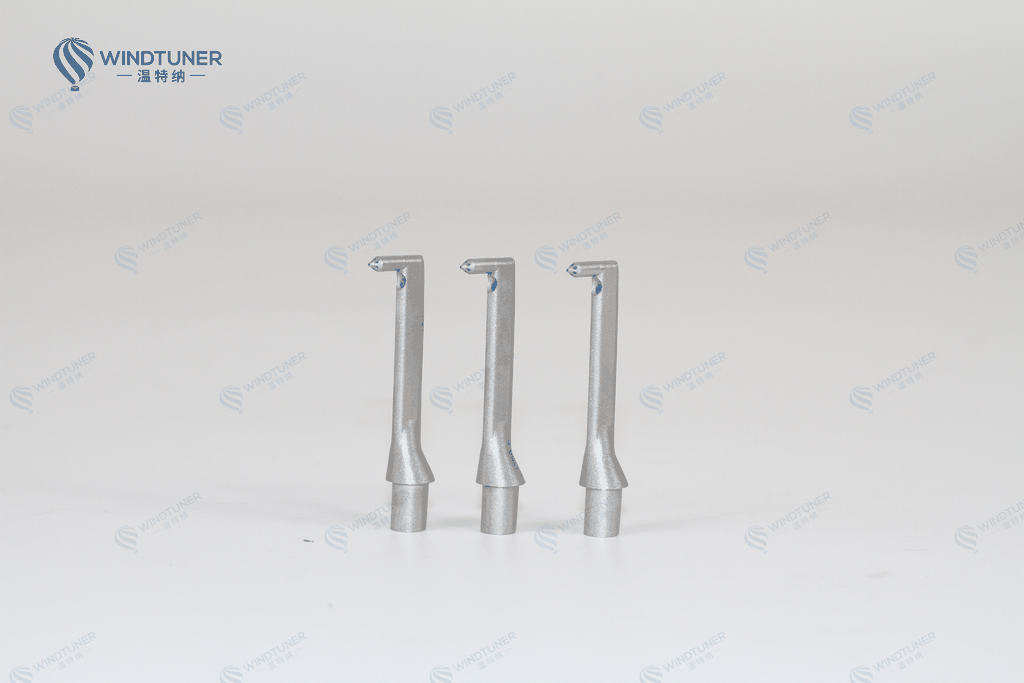
The seven ports do not each measure a different parameter. As air reaches the probe from different angles, the pressure pattern across the ports changes. Calibration links those patterns to known flow conditions. During a test, the corresponding calibration data is used to calculate local flow direction, pressure, velocity, and other parameters. Port layout, tip shape, and calibration range all matter. Counting ports alone will not tell you what a probe can measure or how well it can do it.
WINDTUNER can design and manufacture 7-hole probes for a specific test. Probe geometry and mounting can be tailored to the flow and installation requirements, with wind-tunnel calibration planned around the project. The extra pressure information is valuable in a complex incoming flow, but it is the calibration matched to that particular probe that makes the calculated parameters trustworthy.
WINDTUNER can design and manufacture 7-hole probes for a specific test. Probe geometry and mounting can be tailored to the flow and installation requirements, with wind-tunnel calibration planned around the project. The extra pressure information is valuable in a complex incoming flow, but it is the calibration matched to that particular probe that makes the calculated parameters trustworthy.
Where a 7-Hole Probe Makes Sense
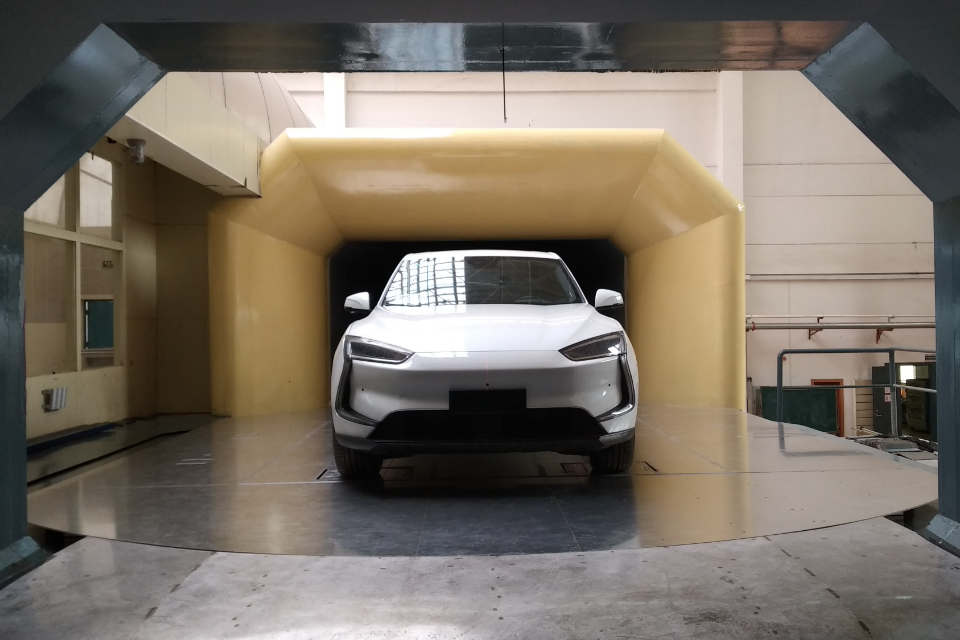
A 7-hole probe is worth considering where the incoming flow may reach the measurement point at a large angle or change direction across the test area. In a curved duct, at a turbomachinery exit, or in a complex wake, engineers may need to know not only how fast the air moves but also where it is headed and how that direction varies from point to point. These are examples of the measurement problem, not a rule that every such test needs a 7-hole probe. Depending on the flow angle, available space, and test objective, a 3-hole probe, 5-hole probe, or another design may be a better fit.
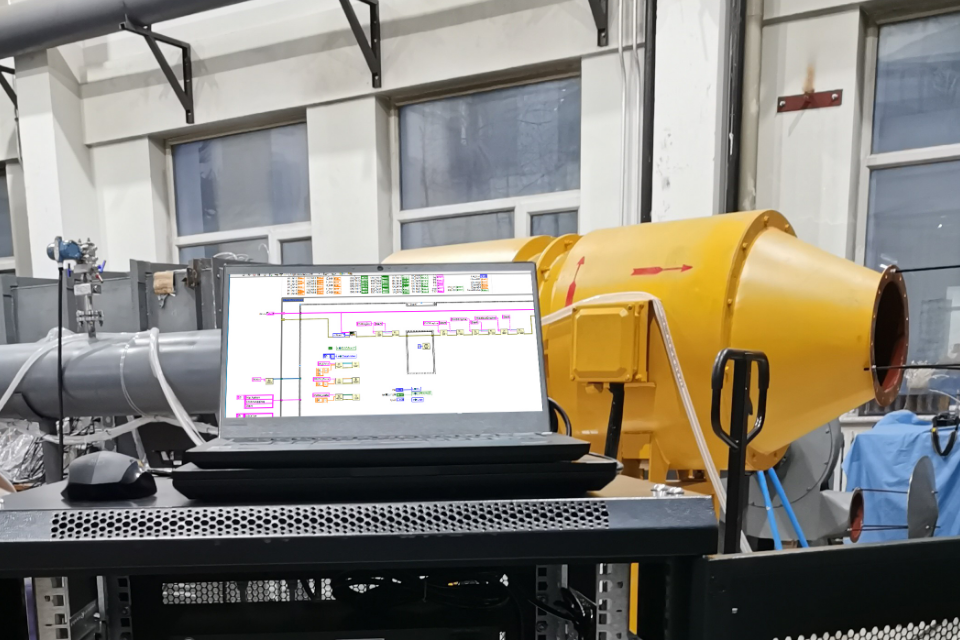
Before selecting a probe, define the required parameters, expected flow angles and speed range, and the space available at the measurement point. In a narrow location, tip size and stem shape may matter more than the number of ports. If the test calls for repeat measurements at many positions, the probe also has to work with the traverse system. Pressure signals need suitable acquisition equipment and a recording plan that fits the test. Looking at the probe alone misses much of the practical setup.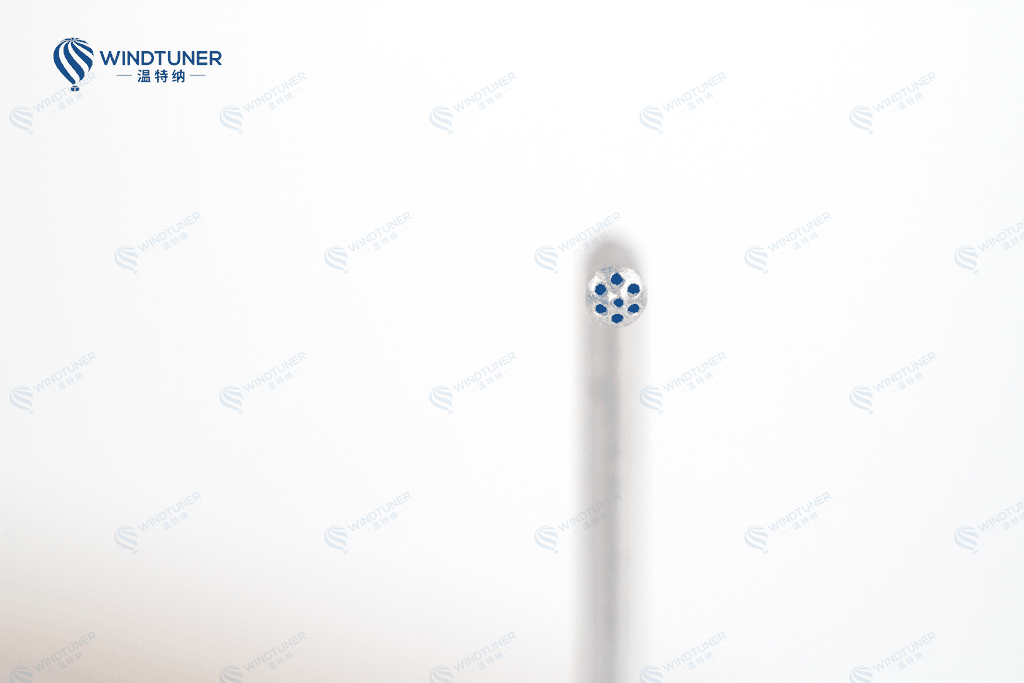
Before selecting a probe, define the required parameters, expected flow angles and speed range, and the space available at the measurement point. In a narrow location, tip size and stem shape may matter more than the number of ports. If the test calls for repeat measurements at many positions, the probe also has to work with the traverse system. Pressure signals need suitable acquisition equipment and a recording plan that fits the test. Looking at the probe alone misses much of the practical setup.
Measurement Range Depends on Calibration
A 7-hole probe can be designed for a challenging three-dimensional flow, but it cannot measure every flow angle. Each probe has structural limits and a valid calibration range. Once the actual flow falls outside the calibrated conditions, the original relationship between pressure pattern and flow direction cannot simply be reused. Even within the expected range, mounting errors, blocked ports, or pressure-tubing problems can change the readings. Plan to check these issues during the test, rather than trying to explain unexpected results afterward.
WINDTUNER can bring probe design, manufacturing, and wind-tunnel calibration together to match the tip shape, measurement locations, and calibration plan to the project. Details such as the test location, likely flow angles, and mounting limits help make the design more useful in practice. For a project that needs three-dimensional flow measurements, a 7-hole probe is a strong candidate, but the final choice should follow the actual operating conditions and calibration requirements.
WINDTUNER can bring probe design, manufacturing, and wind-tunnel calibration together to match the tip shape, measurement locations, and calibration plan to the project. Details such as the test location, likely flow angles, and mounting limits help make the design more useful in practice. For a project that needs three-dimensional flow measurements, a 7-hole probe is a strong candidate, but the final choice should follow the actual operating conditions and calibration requirements.