
Windtuner's TAT Probe with Optimally Designed Stagnation Housing
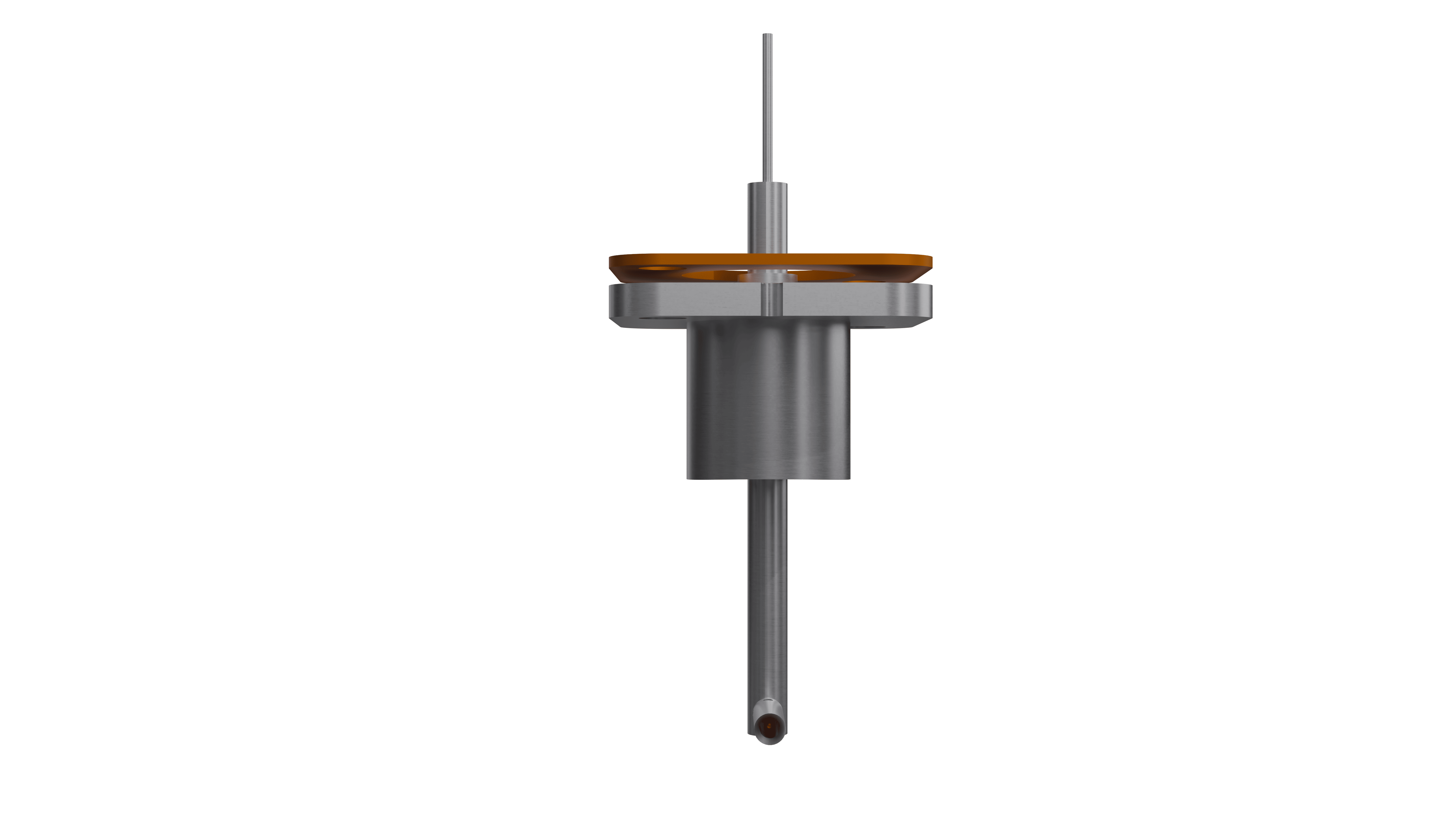
Windtuner manufactures our total temperature probes with stagnation housings designed for the specific thermal environment of said specific test, not just as a generic catalog part.
The Recovery Factor Problem
The recovery factor is not constant. It varies with Mach number, Reynolds number, the angle between the probe axis and the flow, and the stagnation housing design itself. A housing with thick walls and small internal passages creates thermal lag. The gas temperature at the thermocouple junction lags behind the free stream. In a transient test, that lag means the data does not match the event. The engineer sees a temperature ramp that is too slow, a peak that is too low, or a step response that arrives too late.
How Housing Geometry Drives Response Time
The stagnation housing performs two competing jobs. It must bring the flow to rest at the thermocouple junction so the sensor sees total temperature, not static temperature. At the same time, it must transfer heat from the gas to the junction fast enough to track rapid changes. These requirements fight each other. A deep, convoluted internal passage gives good aerodynamic recovery but poor thermal response. A wide-open cavity responds fast but may not fully stagnate the flow, especially at high Mach numbers.Windtuner designs the stagnation housing geometry for the specific flow conditions of the test. For subsonic compressor rigs, the housing uses a compact internal volume with direct impingement on the thermocouple bead, keeping the time constant under one second. For supersonic wind tunnels, the housing incorporates a shock-swallowing inlet that manages the detached bow shock while maintaining thermal contact between the gas and the sensor. For high-temperature engine tests, the housing material transitions from stainless steel near the mounting interface to high-temperature alloy at the sensing tip, managing thermal stress while keeping the junction where it belongs.
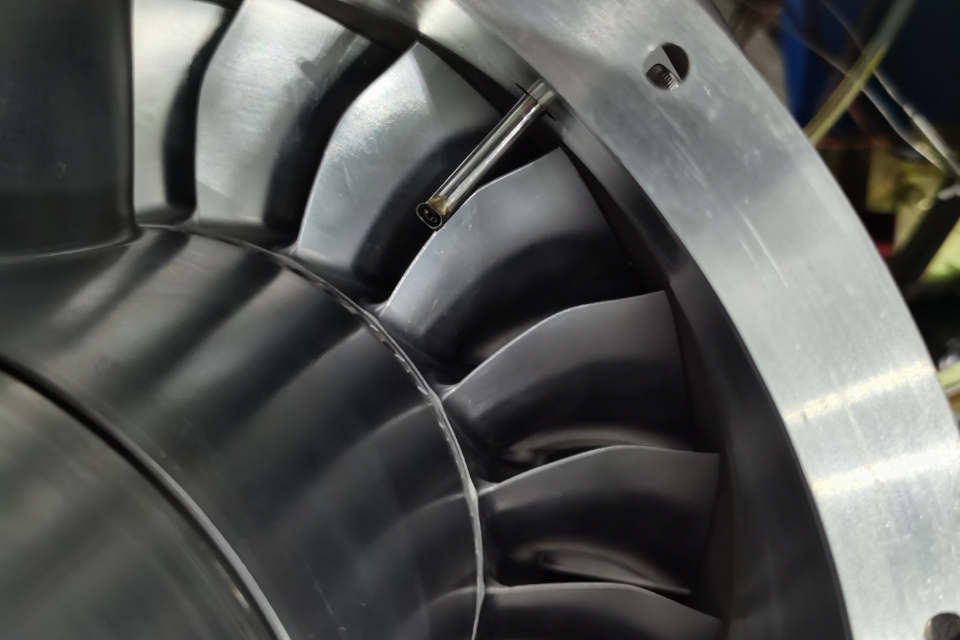
Conventional machined housings are limited to straight bores and simple internal shapes. Windtuner uses micron-level 3D metal printing to build housings with optimized internal passages, variable wall thickness, and integrated thermal barriers that machining cannot reach. The printed housing places the thermocouple junction at the exact aerodynamic and thermal center of the stagnation zone.
From Design to Calibration in One Pipeline
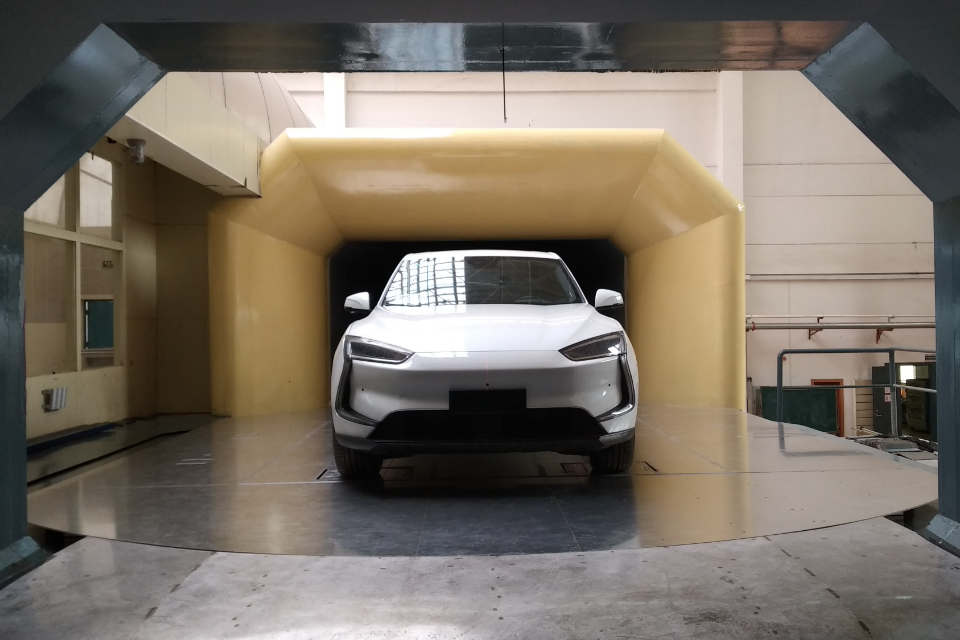
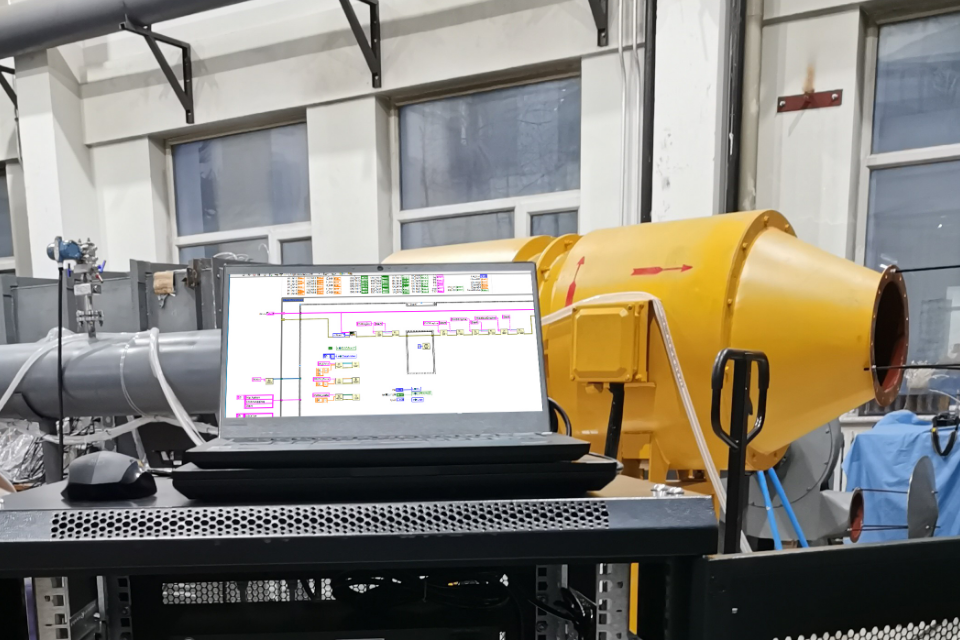
A total temperature probe with a custom stagnation housing is only useful if the engineer knows how it behaves. Windtuner runs every probe through calibration in our own wind tunnel laboratory, accredited by CNAS. Our calibration team maps the recovery factor across the Mach number range, the angle of attack envelope, and the Reynolds number range specified by clients. This helps form a calibration curve with traceable accuracy clients can directly apply to test data.Windtuner's calibration laboratory has processed more than 100,000 calibration data records across over 10,000 probe designs. This volume proves that our team has seen most thermal environments before and knows what causes housing geometries to work and fail. When a client brings Windtuner a new test condition, the design team does not start from zero. We start from a library of proven geometries and adapt.
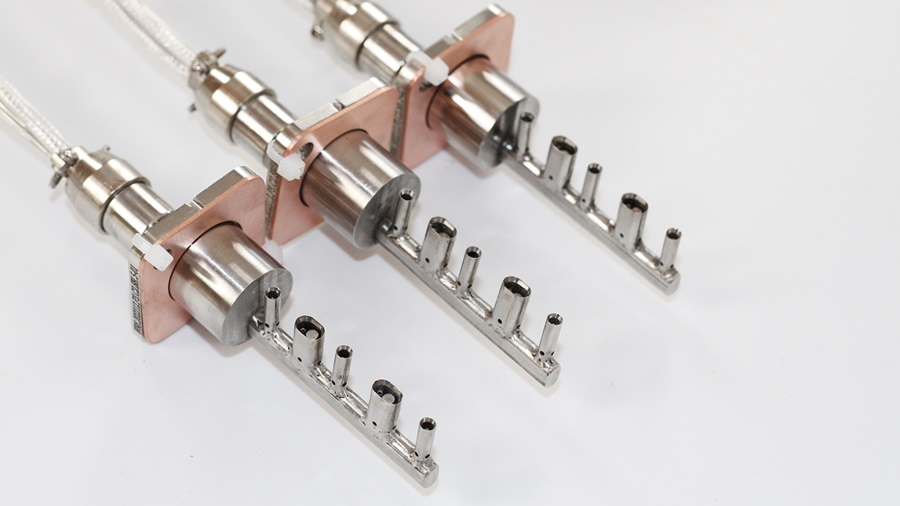
Windtuner's 5-hole total temperature rake probe
Total temperature probes, total pressure probes, combined instruments, and custom pneumatic probes all run through the same design, manufacturing, and calibration pipeline. The probe that arrives at the test facility is already characterized. We want to ensure that any engineer can come to install, apply, and trust the data provided by our tools.
This is what separates a catalog sensor from a measurement instrument up to the test.