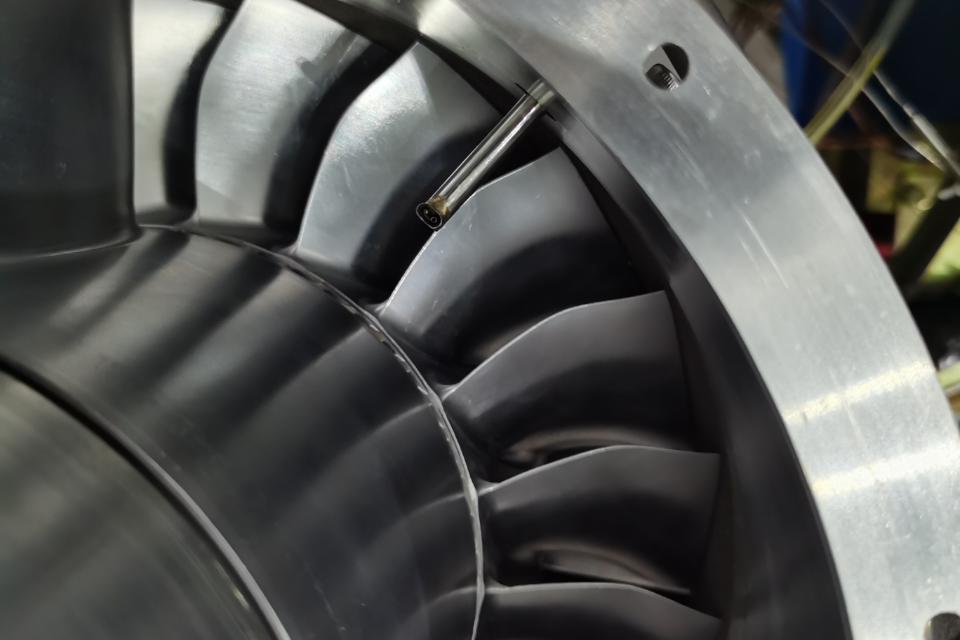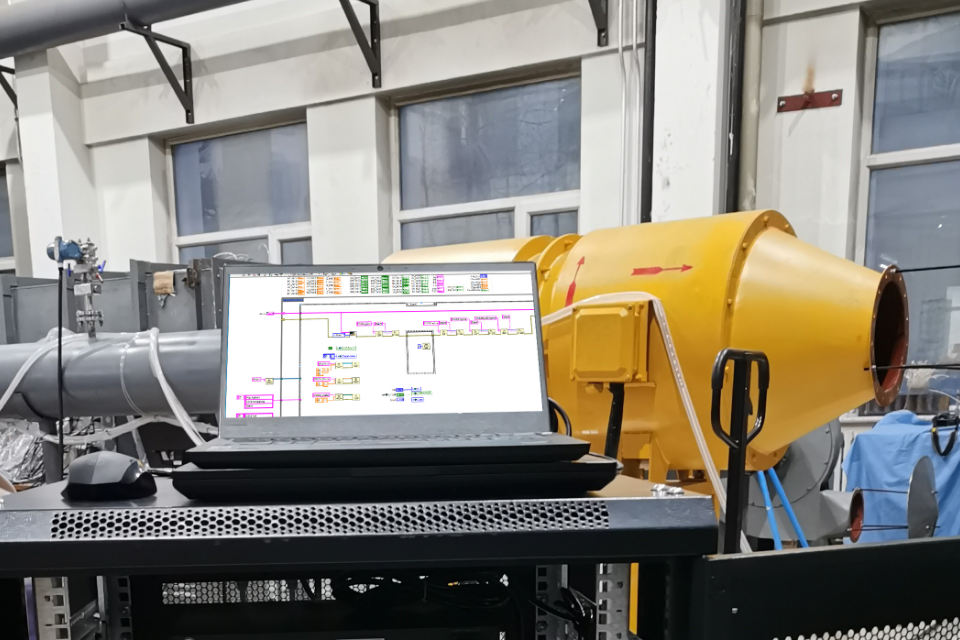

A pressure rake places several measurement heads on one support to collect information at different locations. In wind tunnel development tests, it can position heads at specified intervals along a line of measurement points, with connections to suitable pressure acquisition equipment. WINDTUNER offers custom pneumatic probes and can discuss pressure rake designs based on the required measurement locations, installation space, and flow conditions.
Place several measurement points on one assembly
Wind tunnel tests may require total pressure readings at different heights or locations around a model or in its wake. A single probe usually has to be moved between points. A rake places several heads on one assembly, each with its own pressure path. This keeps their relative positions fixed when measurements at the same locations are repeated under different operating conditions.
On a total pressure rake, each head senses total pressure at its location and transmits the pressure to the acquisition equipment. Matching the readings to the physical head positions shows how total pressure varies along the set of points. The rake does not perform the entire acquisition process on its own. Suitable pressure sensors or a pressure scanner are also required.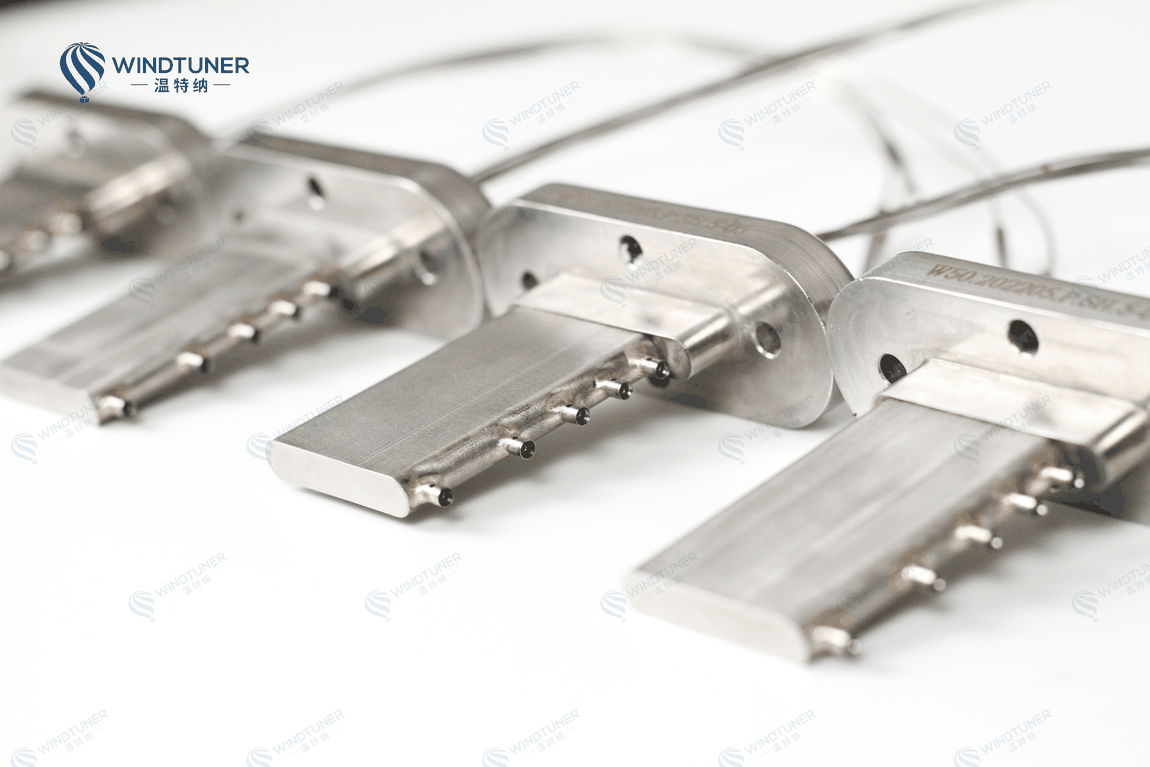
On a total pressure rake, each head senses total pressure at its location and transmits the pressure to the acquisition equipment. Matching the readings to the physical head positions shows how total pressure varies along the set of points. The rake does not perform the entire acquisition process on its own. Suitable pressure sensors or a pressure scanner are also required.
Choose point spacing for the purpose of the test
A rake design starts with the area to be covered and the differences between locations that the test needs to reveal. Overall length, head count, and spacing are related, and all are constrained by passage dimensions and installation access. Closer spacing provides information at more locations, but adding heads alone does not make a measurement setup better.
The heads and support occupy space and can affect the local flow. Near a wall, model, or other structure, the available clearance needs to be considered when placing the measurement points. WINDTUNER custom pneumatic probes can be specified by material, shape, port count, port diameter, head dimensions, stem, and mounting arrangement. Dimensions should be chosen around the actual test layout.
The heads and support occupy space and can affect the local flow. Near a wall, model, or other structure, the available clearance needs to be considered when placing the measurement points. WINDTUNER custom pneumatic probes can be specified by material, shape, port count, port diameter, head dimensions, stem, and mounting arrangement. Dimensions should be chosen around the actual test layout.
Each head determines what can be measured
A rake describes an arrangement of heads rather than a fixed set of output parameters. A total pressure rake measures total pressure at several locations. If velocity or flow direction is needed, confirm whether suitable multi-hole heads are required and which pressure measurements and calibration relationships are needed. Readings from several total pressure heads do not, by themselves, provide a complete set of three-dimensional flow parameters.
Flow direction also affects head suitability. If it varies substantially between measurement locations, explain that during design so the head type and orientation can be assessed. Consider calibration range, head dimensions, and expected operating conditions together. Calibration data for a similar-looking probe should not simply be substituted for those of the proposed head.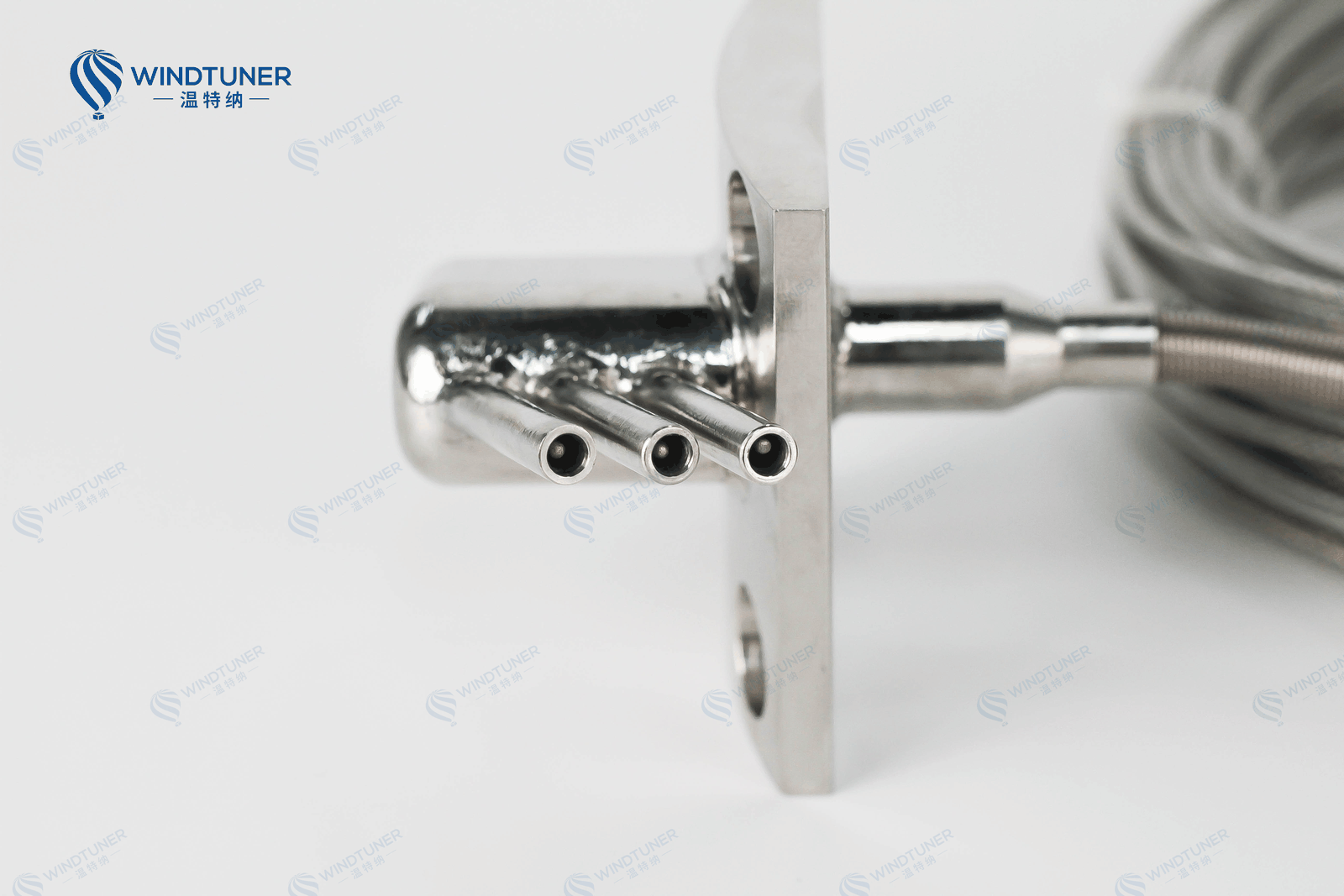
Flow direction also affects head suitability. If it varies substantially between measurement locations, explain that during design so the head type and orientation can be assessed. Consider calibration range, head dimensions, and expected operating conditions together. Calibration data for a similar-looking probe should not simply be substituted for those of the proposed head.
Match the rake to acquisition and recording equipment
The pressure outlets on a rake can be connected through tubing to suitable acquisition equipment. WINDTUNER intelligent pressure scanners collect multiple pressure inputs, while measurement and control software supports data acquisition, storage, and review. When comparing readings as test conditions change, check how the acquisition times correspond. Whether the synchronization is adequate depends on the complete acquisition configuration.
A pressure rake covers the points where its heads are placed. A larger cross-section or additional locations will require further measurements. To discuss a setup with WINDTUNER, provide the measurement area, parameters of interest, expected flow range, and an installation sketch. These details guide the rake design, calibration, and choice of pressure acquisition equipment, making clear both where measurements will be taken and which comparisons the data can support.
A pressure rake covers the points where its heads are placed. A larger cross-section or additional locations will require further measurements. To discuss a setup with WINDTUNER, provide the measurement area, parameters of interest, expected flow range, and an installation sketch. These details guide the rake design, calibration, and choice of pressure acquisition equipment, making clear both where measurements will be taken and which comparisons the data can support.