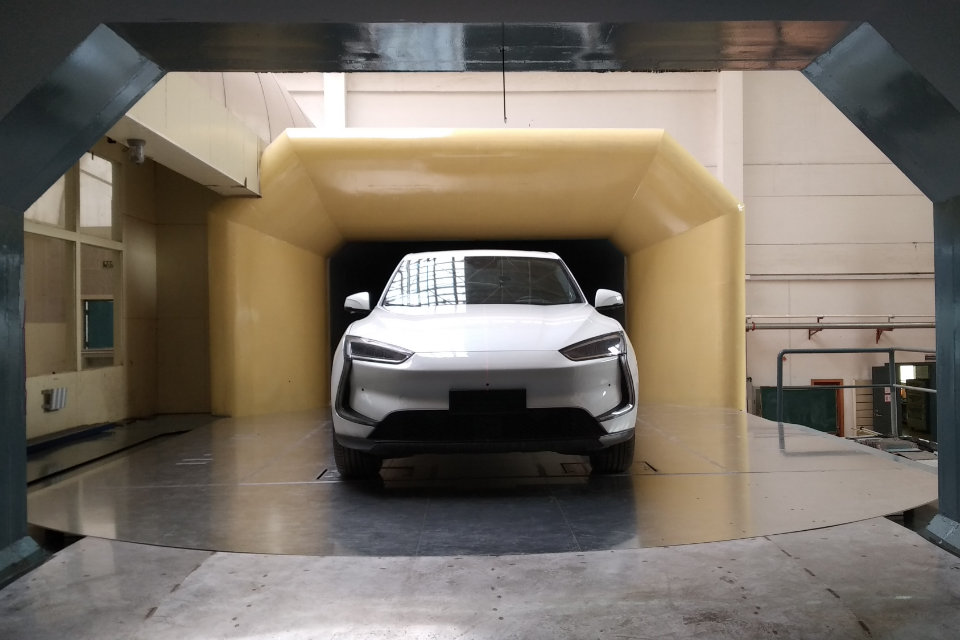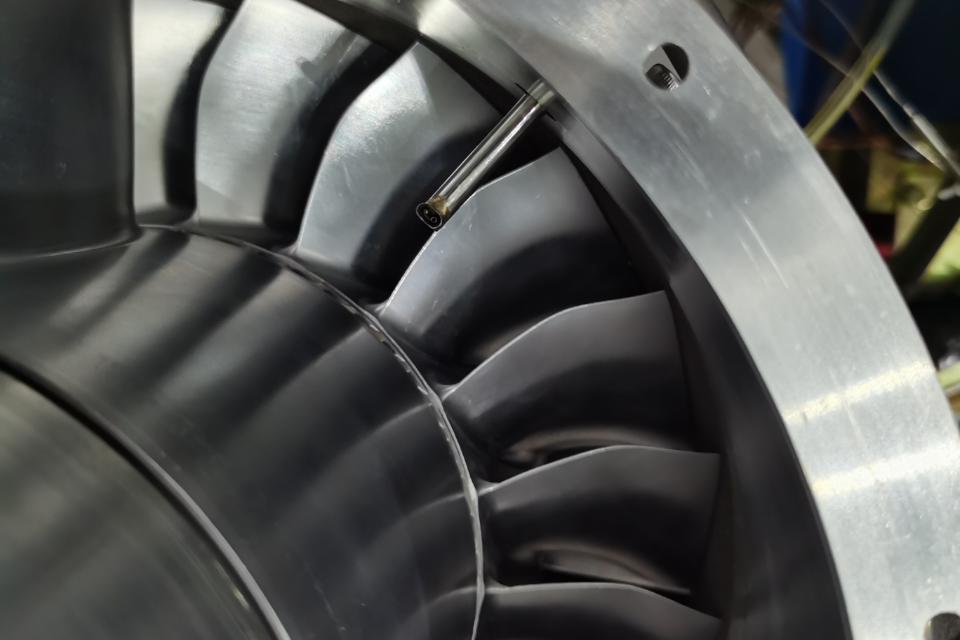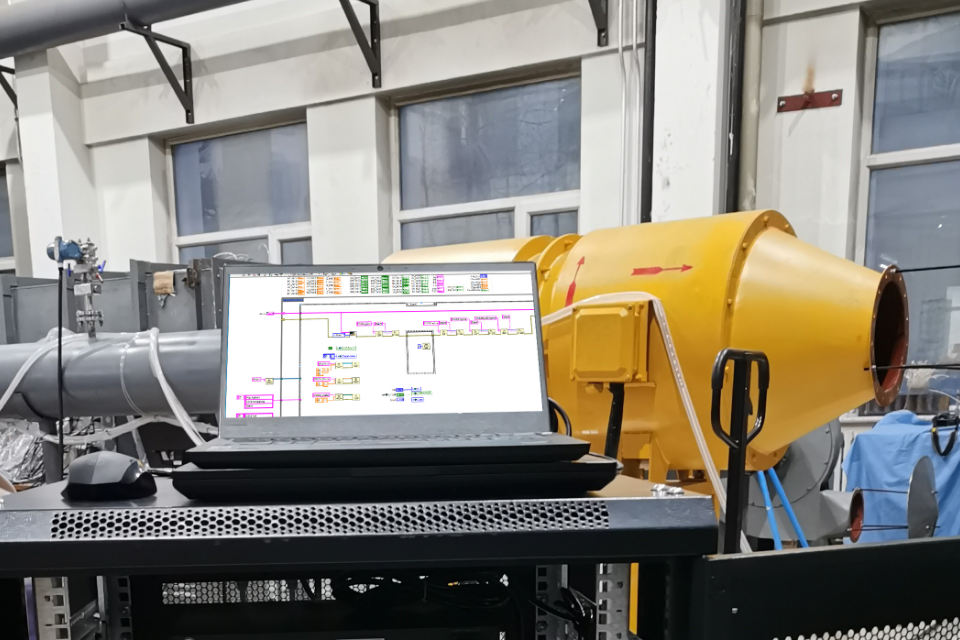

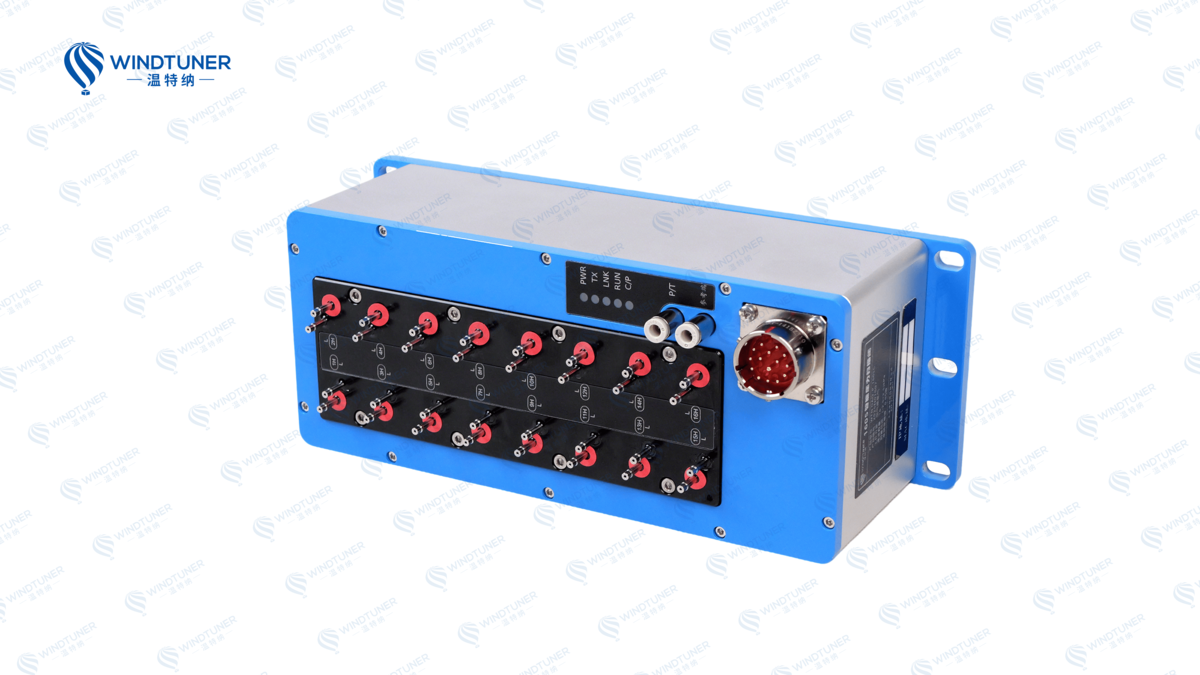
A pressure scanner collects pressure readings from multiple measurement points during a wind tunnel test. Surface pressure taps on a wing or other test model, as well as the pressure outlets of pneumatic probes, can be connected to the acquisition equipment through tubing. The readings help engineers examine pressure changes across the model or analyze the local flow. WINDTUNER intelligent pressure scanners integrate pressure sensor modules and data acquisition, then transmit the measurements to a host computer for tests that require several pressure signals to be recorded together.
Measuring pressure across a model surface
Small pressure taps can be machined into selected locations on the surface of a wind tunnel model, such as a wing. Tubing connects these taps to the pressure scanner so that surface pressure can be measured at each location. As air flows over the model, the pressure distribution depends on its shape, the incoming flow, and the test conditions. Tap locations should follow the purpose of the test so that the readings support a useful comparison between surface regions.
Each reading needs to be tied to a known location. When comparing two model shapes, or testing one model under different flow conditions, engineers can check where the pressure changes. These measurements provide input for aerodynamic analysis. A pressure scanner does not replace force measurement equipment, however, and channel pressure readings alone do not automatically provide a complete assessment of aerodynamic performance.
Each reading needs to be tied to a known location. When comparing two model shapes, or testing one model under different flow conditions, engineers can check where the pressure changes. These measurements provide input for aerodynamic analysis. A pressure scanner does not replace force measurement equipment, however, and channel pressure readings alone do not automatically provide a complete assessment of aerodynamic performance.
Using pneumatic probes to measure local flow
Measurements may also be needed in the incoming flow, around the model, or downstream. A pneumatic probe responds to the flow at its measurement point through pressure, which the pressure scanner records. A total pressure probe measures total pressure. A multi-hole pneumatic probe requires pressure readings from several ports; its calibration data are then used to calculate the relevant flow parameters.
The test requirements determine the probe type. Extra ports offer no benefit when total pressure is the only parameter of interest. If velocity and flow direction are needed, check which parameters the probe can provide and whether its calibration covers the expected flow conditions. WINDTUNER offers custom pneumatic probes and probe calibration services. Probe dimensions, installation space, and operating conditions can be considered together when matching a probe to pressure acquisition equipment.
Mapping a cross-section requires measurements at different locations. The probe can be moved according to the test plan or positioned with a suitable traverse system. In either case, record the location and operating conditions for each measurement so that the results can be assembled afterward. Recording several pressure channels and measuring at several spatial locations are separate tasks.
Matching data acquisition to the test
Measuring a pressure distribution under steady conditions calls for a different acquisition setup from recording pressure changes while conditions are being adjusted. Once the equipment is connected, set the acquisition rate, trigger mode, and recording duration to suit the measurement. When several devices are involved, check how their data align in time. Comparing maximum sampling rates alone is not enough.
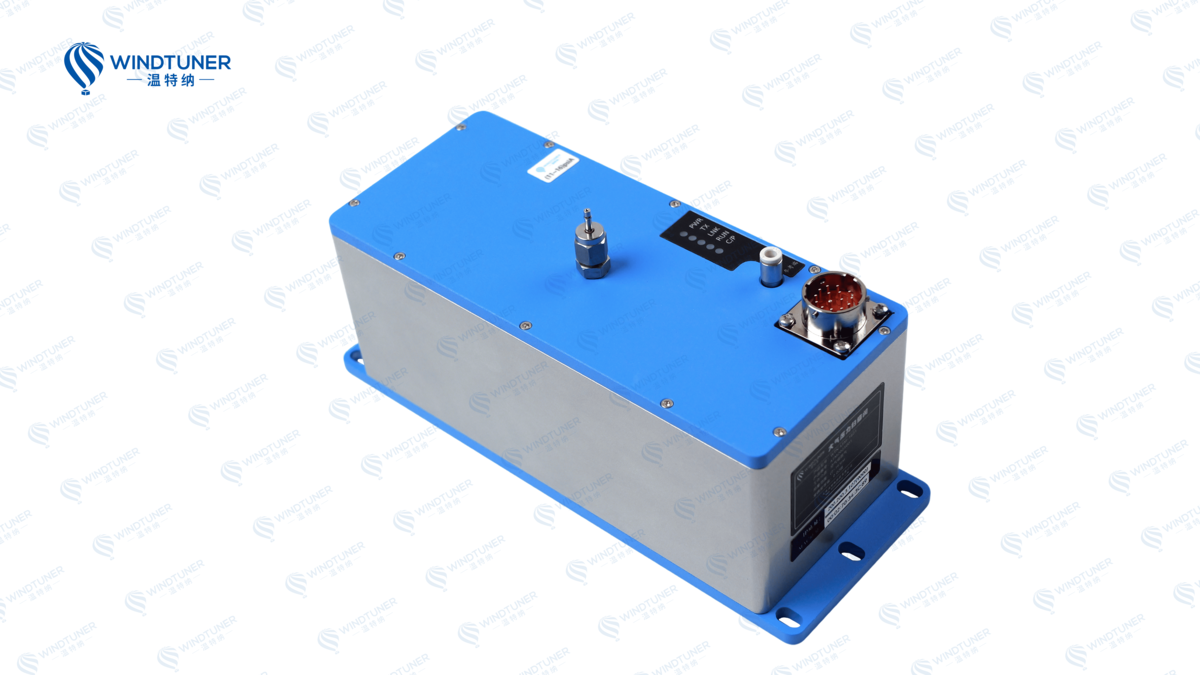
The standard version of the WINDTUNER intelligent pressure scanner supports software, hardware, and timed triggering, as well as timestamp output. WindLabX measurement and control software provides device management, data acquisition, data storage and review, and parameter settings, allowing engineers to check readings and retrieve records. Tubing still needs to be checked for leaks and blockages before testing. Seeing data in the software does not confirm that the pneumatic connections are sound.
Before selecting a pressure scanner for a wind tunnel test, define what will be measured, how many points are needed, the expected pressure range, and how the data will be used. These requirements guide the choice of probes, tubing, and software. WINDTUNER can configure pressure scanners and related measurement equipment for model surface pressure tests and probe-based flow measurements, with records that can be traced back to the conditions of each test.