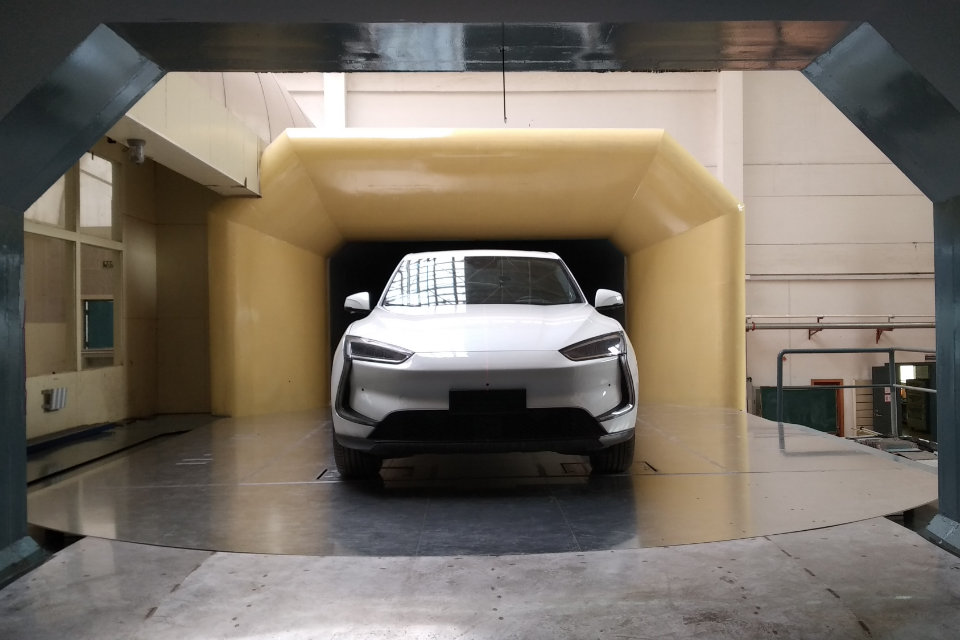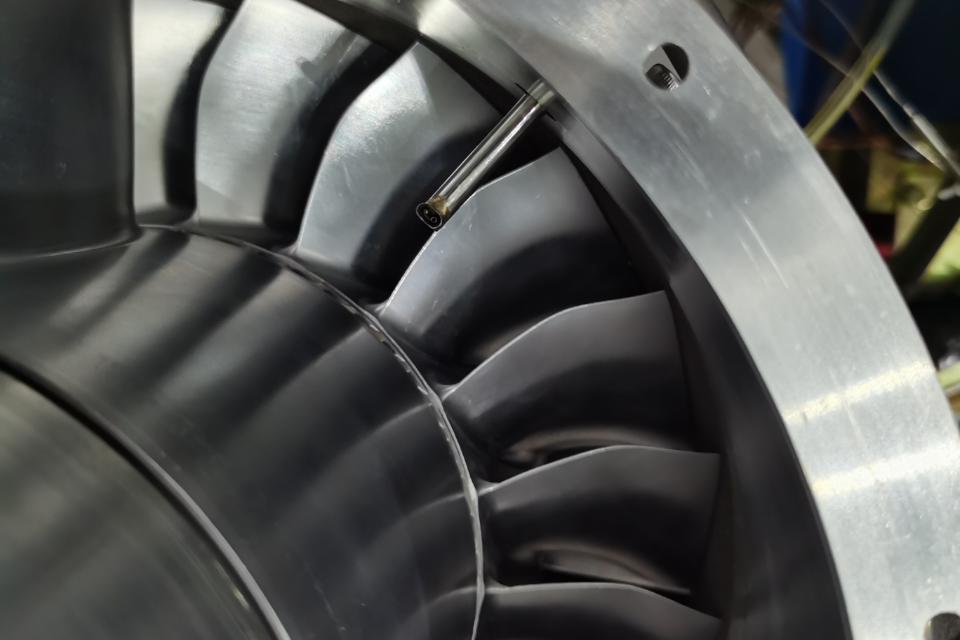

A pressure scanner collects pressure readings from multiple measurement points and sends the results to a host computer. In a wind tunnel or engine test rig, pressure taps on a model and pressure outlets from a pneumatic probe can each be connected to the acquisition equipment. WINDTUNER intelligent pressure scanners combine pressure sensor modules, data acquisition, and communications in one unit. With measurement and control software, they allow test teams to view and record pressure data from multiple points. The process begins with the tubing that carries pressure into the scanner.
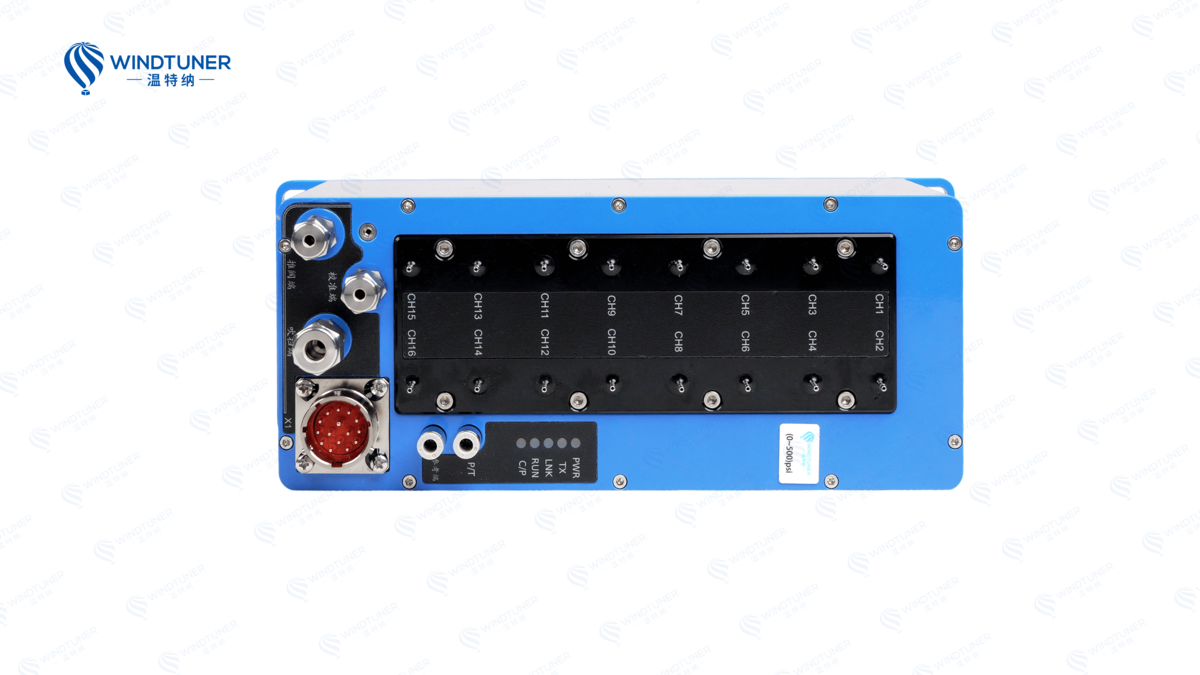
Tubing Carries Pressure to the Sensors
Before a test, pressure tubing connects the measurement points to the scanner's channel ports. On a pneumatic probe, the sensing ports lead to separate pressure outlets, which connect to the corresponding acquisition channels. Airflow creates a pressure response at the probe tip, and the tubing transmits that pressure to the sensors inside the scanner.
The condition of the tubing and fittings matters. A loose connection or a leak can cause the pressure reaching a sensor to differ from the pressure at the measurement point. Kinked or blocked tubing can also interfere with pressure transmission. Checking that connections are secure and pressure lines are clear helps prevent these problems before acquisition begins.
The condition of the tubing and fittings matters. A loose connection or a leak can cause the pressure reaching a sensor to differ from the pressure at the measurement point. Kinked or blocked tubing can also interfere with pressure transmission. Checking that connections are secure and pressure lines are clear helps prevent these problems before acquisition begins.
Sensors Convert Pressure into Electrical Signals
Each pressure sensor responds to the pressure applied to its channel and converts it into an electrical signal. Acquisition circuitry then converts that signal into digital data for the host computer. WINDTUNER intelligent pressure scanners use calibrated pressure sensor modules to measure multiple channels within one device, reducing the work of connecting separate acquisition equipment for individual points.
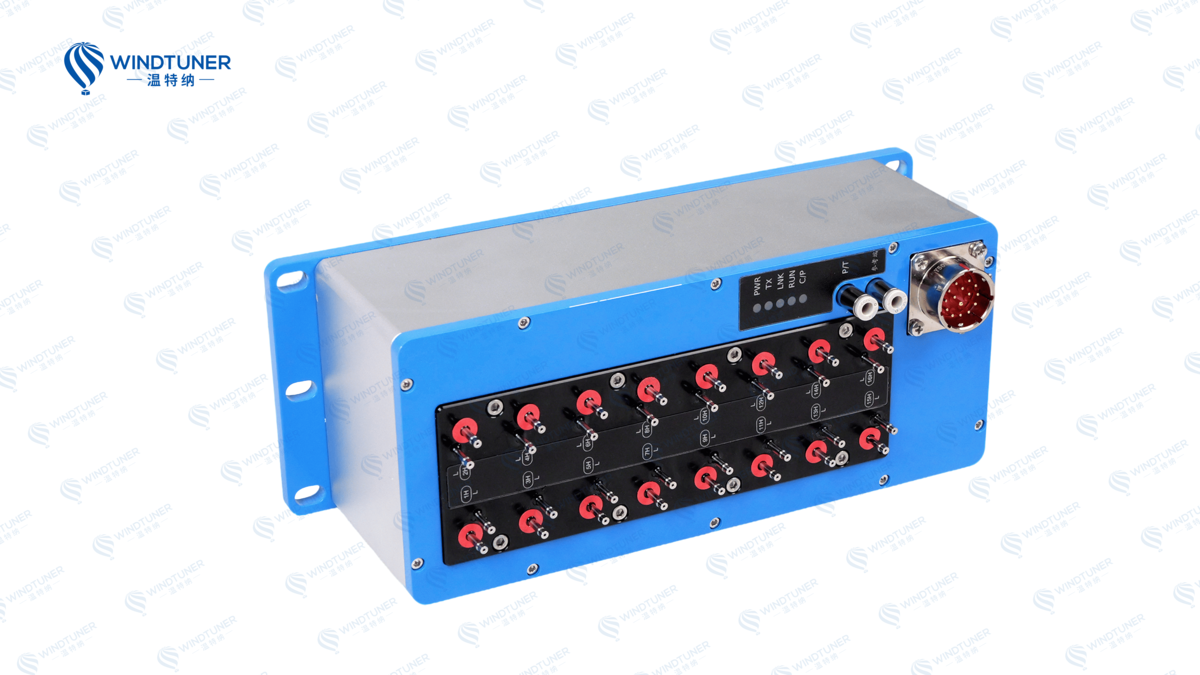
The word 'scanner' does not mean that every product uses a single sensor to measure all channels in sequence. Internal designs vary, so the measurement method should be checked for the device being used. For test personnel, the practical questions are what pressure each channel measures, what reference pressure it uses, and whether the recorded data meets the test requirements.
The word 'scanner' does not mean that every product uses a single sensor to measure all channels in sequence. Internal designs vary, so the measurement method should be checked for the device being used. For test personnel, the practical questions are what pressure each channel measures, what reference pressure it uses, and whether the recorded data meets the test requirements.
Acquisition Settings Shape the Record
Once the device is connected to the host computer, the test team sets the acquisition frequency, trigger mode, and other parameters. The standard version of the WINDTUNER intelligent pressure scanner supports software, hardware, and timed triggering, as well as timestamped data output. The right settings depend on the test procedure, not simply on the highest acquisition frequency the device can support.
Measuring a pressure distribution under steady conditions calls for different settings than recording how pressure changes over time during a test. Tubing length and connection condition also affect pressure transmission. The sampling rate at the device does not, by itself, describe how quickly the complete tubing and acquisition system responds to changing pressure.
Measuring a pressure distribution under steady conditions calls for different settings than recording how pressure changes over time during a test. Tubing length and connection condition also affect pressure transmission. The sampling rate at the device does not, by itself, describe how quickly the complete tubing and acquisition system responds to changing pressure.
Viewing and Using the Data
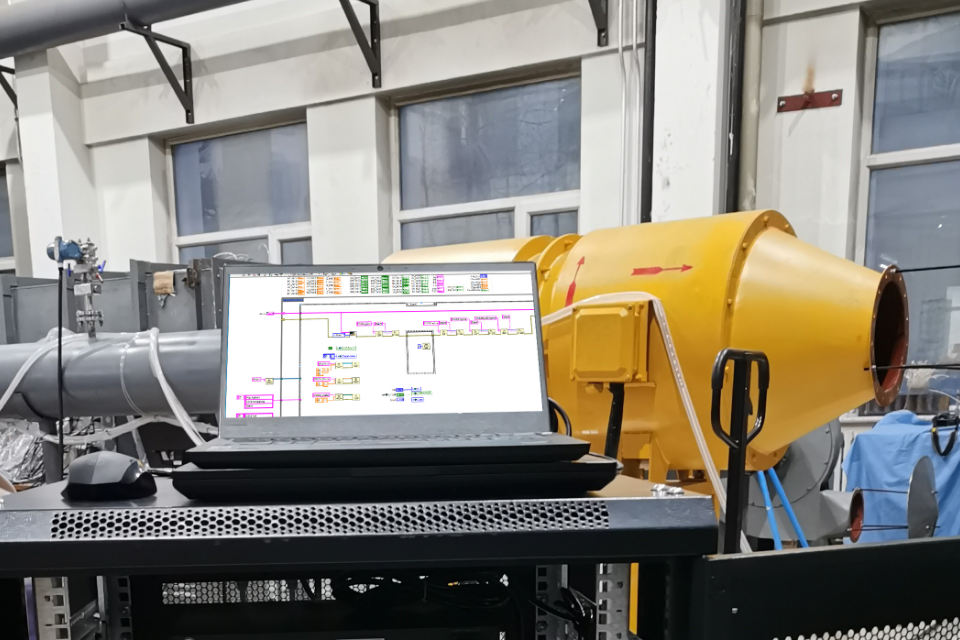
After the digital pressure data reaches the host computer through the communication interface, measurement and control software can display and store it. WINDTUNER's WindLabX measurement and control software includes device management, data acquisition, storage and viewing, and parameter settings. Test personnel can check channel readings during a run and retrieve the records afterward.
Pressure readings still need to be distinguished from the final analysis. Pressure data from a model surface can be organized by measurement location. With a multi-hole pneumatic probe, velocity and flow angles require the probe's calibration data and the appropriate calculations. Connecting a probe to a pressure scanner does not automatically produce valid flow measurements.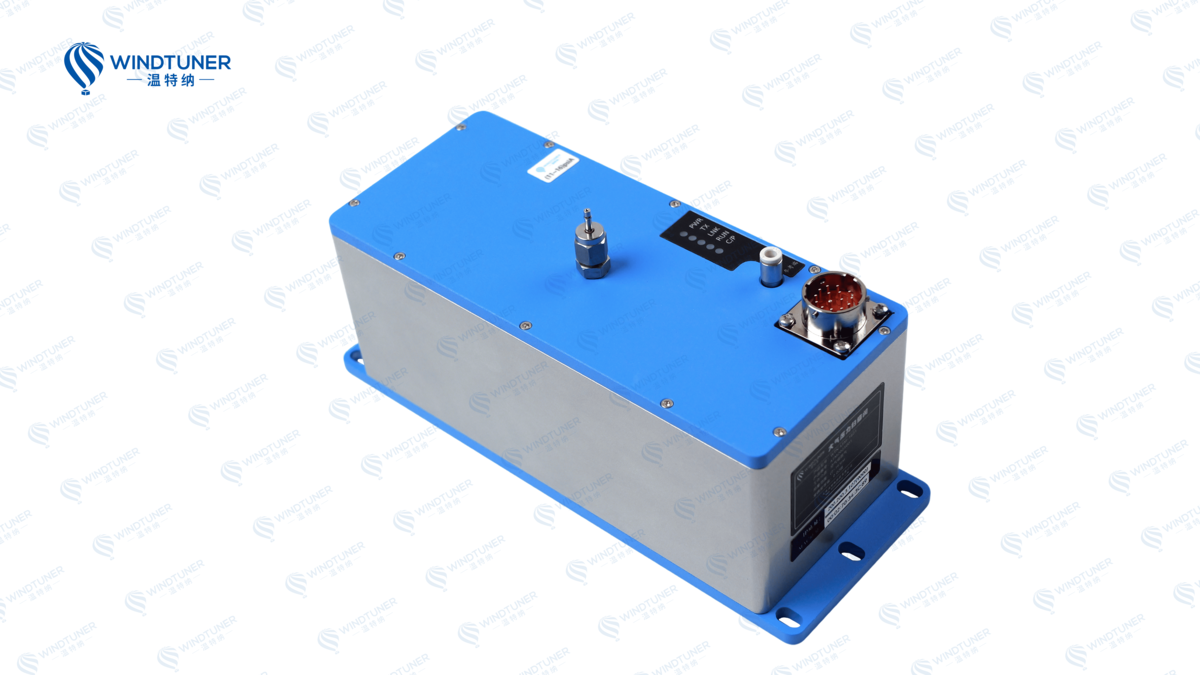
WINDTUNER can configure a pressure scanner around a test's requirements and supply compatible pneumatic probes, calibration services, and measurement and control software. Describing the pressure range, measurement connections, and intended use of the data helps establish a suitable configuration. The pressure scanner converts pressure at the measurement points into data that can be recorded and processed, providing the input for the analysis that follows.
Pressure readings still need to be distinguished from the final analysis. Pressure data from a model surface can be organized by measurement location. With a multi-hole pneumatic probe, velocity and flow angles require the probe's calibration data and the appropriate calculations. Connecting a probe to a pressure scanner does not automatically produce valid flow measurements.
WINDTUNER can configure a pressure scanner around a test's requirements and supply compatible pneumatic probes, calibration services, and measurement and control software. Describing the pressure range, measurement connections, and intended use of the data helps establish a suitable configuration. The pressure scanner converts pressure at the measurement points into data that can be recorded and processed, providing the input for the analysis that follows.