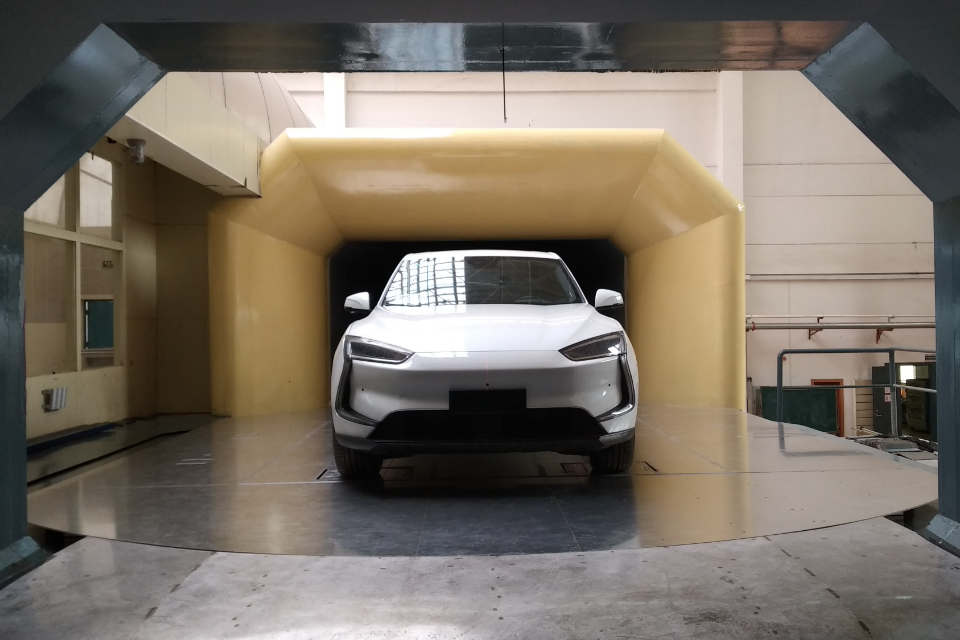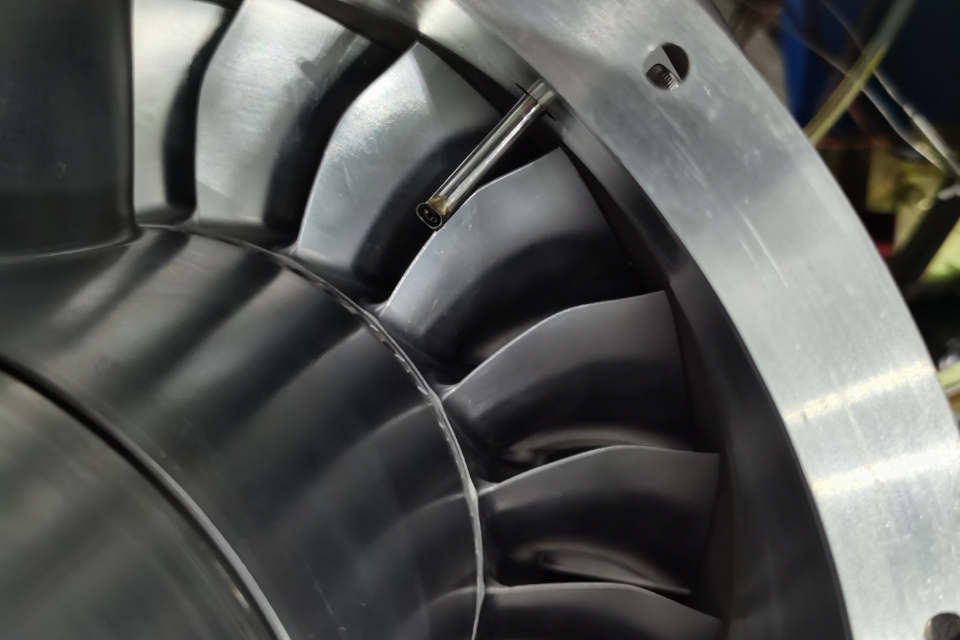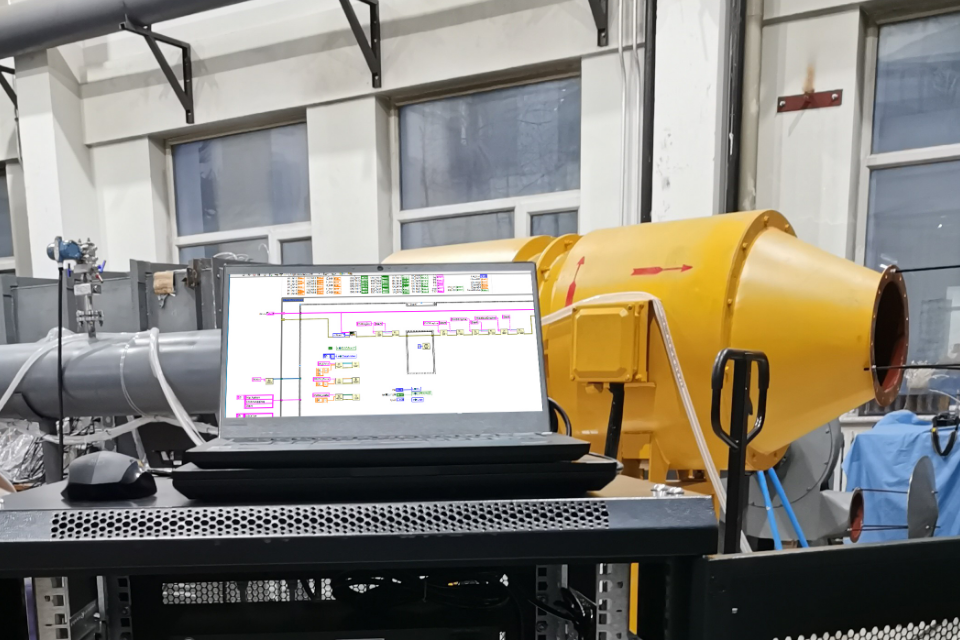

In a typical installation, a five-hole airspeed probe does not send the aircraft a ready-made airspeed or altitude value. It produces a set of pressure readings, one from each port. A total air temperature sensor adds a separate temperature input. The air data computer works with those measurements, applies the required corrections, and outputs flight parameters such as airspeed, altitude, and rate of climb.
This division of work matters. A pressure sensor reports what it sees at a particular moment; it does not decide what the number means for the aircraft. Before the result can go to a display, a data logger, or another onboard system, the raw measurements have to be corrected for temperature and for the aerodynamic behavior of the probe. That is why the probe and the downstream processing should be specified as parts of the same airspeed measurement system.
This division of work matters. A pressure sensor reports what it sees at a particular moment; it does not decide what the number means for the aircraft. Before the result can go to a display, a data logger, or another onboard system, the raw measurements have to be corrected for temperature and for the aerodynamic behavior of the probe. That is why the probe and the downstream processing should be specified as parts of the same airspeed measurement system.
Where the Flight Parameters Come From
Take airspeed as an example. The pressure ports on a five-hole airspeed probe respond differently to the incoming flow, and the differences between their readings carry information about both speed and flow direction. Static pressure and total air temperature add the inputs needed for altitude and temperature calculations. No single sensor produces a finished flight parameter on its own. The computer has to calculate the measurements together using the appropriate aerodynamic relationships.
WINDTUNER's air data computers for small aircraft accept pressure and temperature inputs and can calculate pressure altitude, barometric altitude, calibrated airspeed, true airspeed, Mach number, rate of climb, and static air temperature. Available outputs vary by model and system configuration. The goal, however, is the same: reduce the work required to process raw signals and move useful measurements into displays, data logs, and analysis workflows sooner.
WINDTUNER's air data computers for small aircraft accept pressure and temperature inputs and can calculate pressure altitude, barometric altitude, calibrated airspeed, true airspeed, Mach number, rate of climb, and static air temperature. Available outputs vary by model and system configuration. The goal, however, is the same: reduce the work required to process raw signals and move useful measurements into displays, data logs, and analysis workflows sooner.
Compensation and Correction Make the Data Usable
From the ground to higher altitudes, an aircraft encounters substantial changes in pressure and temperature. Sensor readings can also be affected by ambient temperature, installation position, and the aerodynamic characteristics of the probe. Converting raw pressure directly into airspeed without accounting for those conditions can introduce avoidable error.
That is why an air data computer is valued for more than calculation speed. It brings WINDTUNER's AI-based high- and low-temperature compensation together with aerodynamic correction in one processing chain. Temperature compensation helps reduce the effect of ambient temperature changes on pressure-sensor readings, while probe-specific corrections account for aerodynamic behavior. For small aircraft used in repeated flight tests or long-term operation, a consistent processing chain makes results easier to compare and system performance easier to track.
That is why an air data computer is valued for more than calculation speed. It brings WINDTUNER's AI-based high- and low-temperature compensation together with aerodynamic correction in one processing chain. Temperature compensation helps reduce the effect of ambient temperature changes on pressure-sensor readings, while probe-specific corrections account for aerodynamic behavior. For small aircraft used in repeated flight tests or long-term operation, a consistent processing chain makes results easier to compare and system performance easier to track.
A Complete System Is Easier to Put into Service
An airspeed measurement system typically includes a five-hole airspeed probe, a temperature sensor, an air data computer, the mechanical installation, and data interfaces. Reliable output depends on how well those elements work together.
WINDTUNER can supply an integrated solution for five-hole differential-pressure airspeed measurement and adapt it to the aircraft geometry, structure, available installation space, and interface requirements. When a standard product does not fit, the probe shape, pressure-port layout, dimensions, and signal-output format can also be customized.
WINDTUNER can supply an integrated solution for five-hole differential-pressure airspeed measurement and adapt it to the aircraft geometry, structure, available installation space, and interface requirements. When a standard product does not fit, the probe shape, pressure-port layout, dimensions, and signal-output format can also be customized.
Bringing Measurement Results into Flight and Test Workflows Faster
For flight testing, UAV health monitoring, and airspeed measurement on light aircraft, value does not come from collecting more raw data. It comes from receiving clearly defined, traceable flight parameters at a steady rate. The probe interacts with the flow, the sensors capture pressure and temperature, and the computing module applies corrections and conversions. Each part has a distinct job in the measurement chain.
When selecting an air data computer, users should look at the supported inputs, available flight-parameter outputs, compensation and correction functions, and compatibility with the probe and aircraft installation. By combining airspeed probes, air data computation, and calibration capability, WINDTUNER helps turn pressure measurements into flight-ready data for test and operational use.
When selecting an air data computer, users should look at the supported inputs, available flight-parameter outputs, compensation and correction functions, and compatibility with the probe and aircraft installation. By combining airspeed probes, air data computation, and calibration capability, WINDTUNER helps turn pressure measurements into flight-ready data for test and operational use.
This division of work matters. A pressure sensor reports what it sees at a particular moment; it does not decide what the number means for the aircraft. Before the result can go to a display, a data logger, or another onboard system, the raw measurements have to be corrected for temperature and for the aerodynamic behavior of the probe. That is why the probe and the downstream processing should be specified as parts of the same airspeed measurement system.