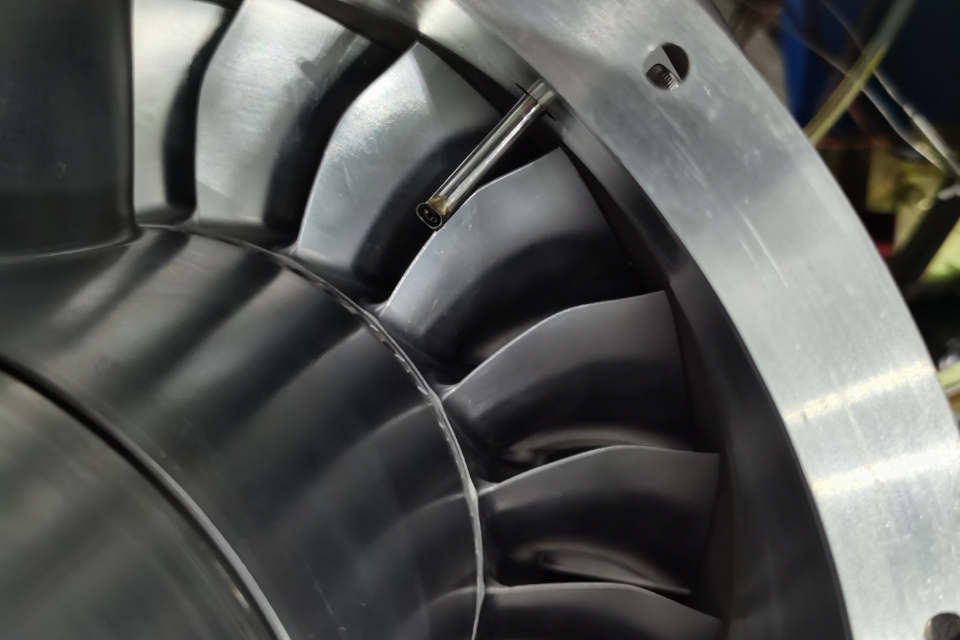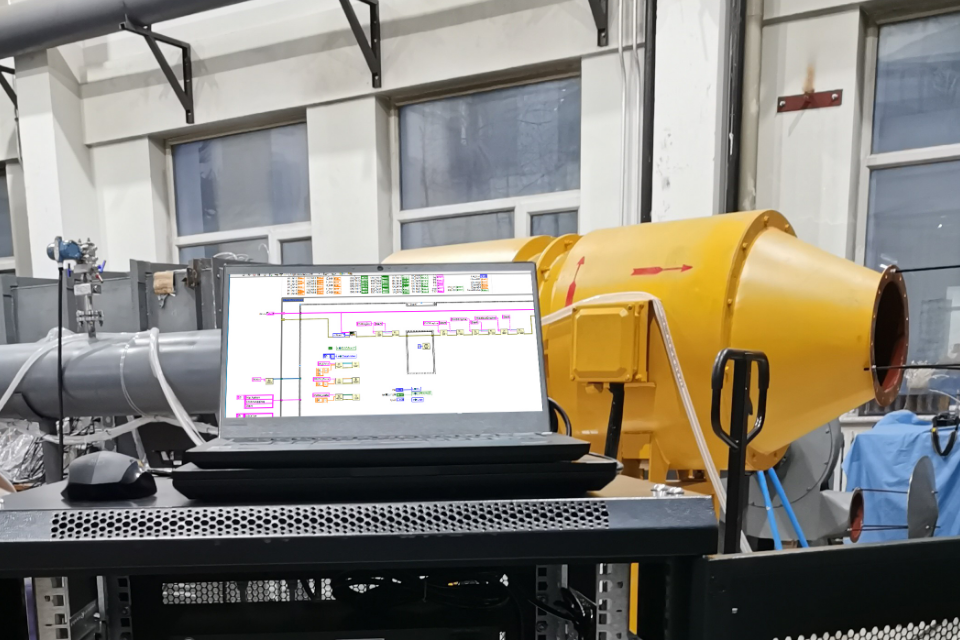

Windtuner runs the full production chain for flow field instrumentation. Pressure scanners, pneumatic probes, measurement software, electric actuators, and calibration services come from the same design and manufacturing pipeline. When a client needs multiple instruments for a test, the instruments already work together.
Why Integrated Instruments Save Test Time
Standalone instruments force the engineer to become a systems integrator. A pressure scanner from one vendor and a probe from another means two calibration certificates, two software packages, two support contacts, and two sets of communication protocols. The engineer writes custom code to synchronize the data streams, troubleshoots timing offsets between devices, and manually combines calibration corrections. That integration work adds weeks to the test schedule. When something goes wrong mid-test, figuring out which vendor caused the problem burns more time.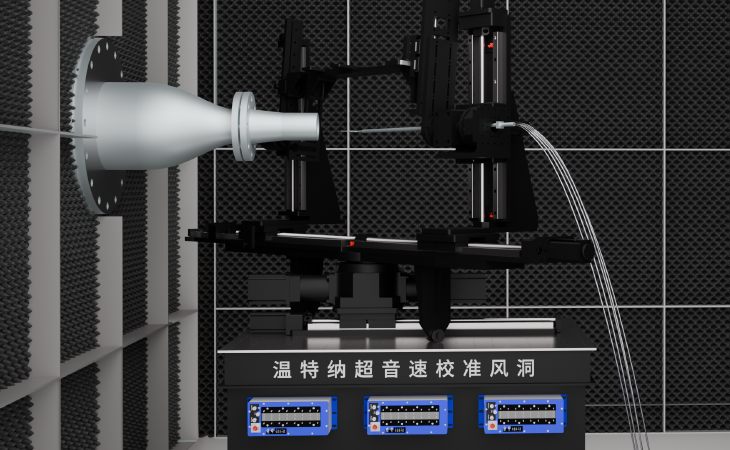
A working calibration wind tunnel with pneumatic probe and pressure scanners
Windtuner instruments share a common hardware architecture and software interface. Pressure scanners use the same Ethernet protocol and IEEE 1588V2 time synchronization as the measurement software that controls the electric actuators positioning the probes. The calibration data for each device is stored in a standardized format that the software reads directly. The engineer configures the entire measurement chain from one interface. When a test needs a probe sweep at twenty stations with synchronized pressure and temperature acquisition, the system handles it without manual coordination.
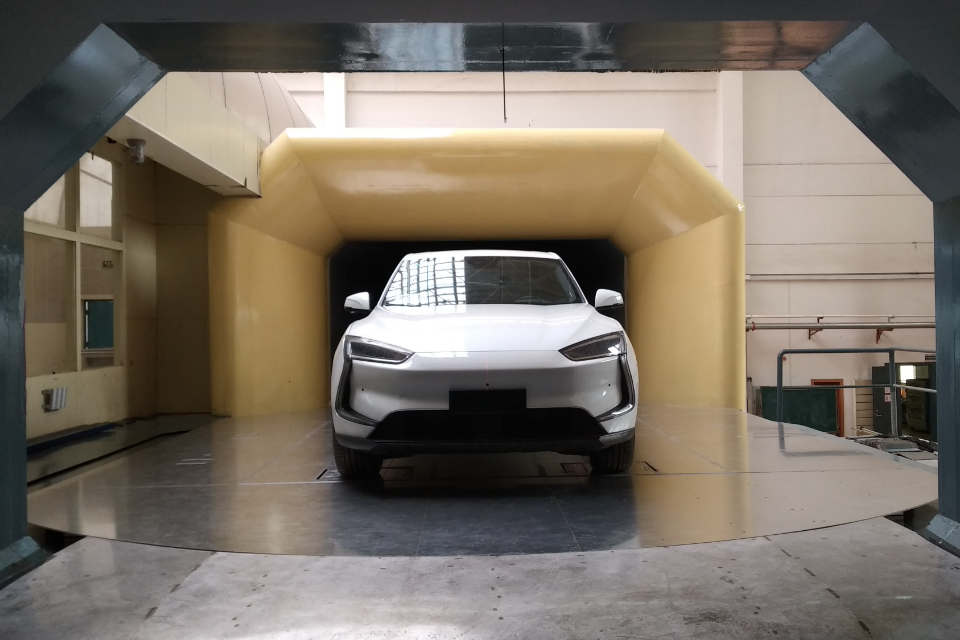
Windtuner calibrates every probe and scanner in our own wind tunnel laboratory, consisting of three different wind tunnels, all three accredited by CNAS. All calibrations use the same reference standards and follow the same traceability chain. When the client buys multiple instruments from Windtuner, the calibration report covers the full measurement system—not a pile of separate certificates from different labs. If a test question requires recalibration or a new probe geometry, the client calls one lab instead of managing multiple vendors.
From Test Design to Data Reduction in One Loop
The improvement in plan performance and data quality really show when the equipment used is from a manufacturer who really understands and covers the full measurement chain. A client who needs a five-hole probe to measure flow angles in a transonic compressor has many hidden needs that come along with the probe. They need a mounting system that positions the probe without disturbing the flow, an actuator that traverses the probe across the measurement plane, a scanner that captures the five pressure ports with enough frequency response to catch unsteady events, and software that converts the raw voltages into flow angles using the probe calibration. When those components come from different vendors, the client has to integrate them—matching interfaces, synchronizing protocols, and reconciling calibration data. Windtuner designs the measurement system as a complete unit, so the integration work is already done.Windtuner has built measurement systems for compressor rigs, turbine cascades, wing-body wind tunnel models, and engine inlet distortion tests. All we need is for our client to describe the test objectives and constraints, and Windtuner maps those requirements onto hardware and software configurations, and the system is delivered as a functioning unit. The engineer installs the hardware, loads the calibration files, and runs the test. The data reduction software applies the calibration corrections automatically. The workflow from test design to validated data closes without the client having to bridge gaps between incompatible products.
That integration matters most when the test schedule is tight and the data quality requirements are strict. A measurement system assembled from mismatched components may work, but it takes longer to set up, longer to troubleshoot, and longer to trust. A measurement system designed as a unit, on the other hand, is a long-term safe choice.