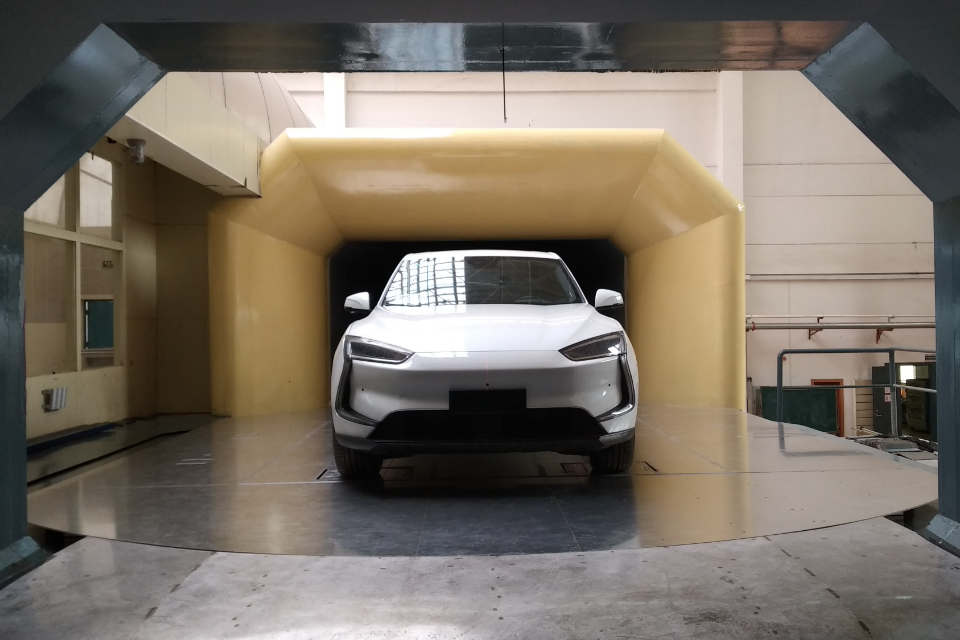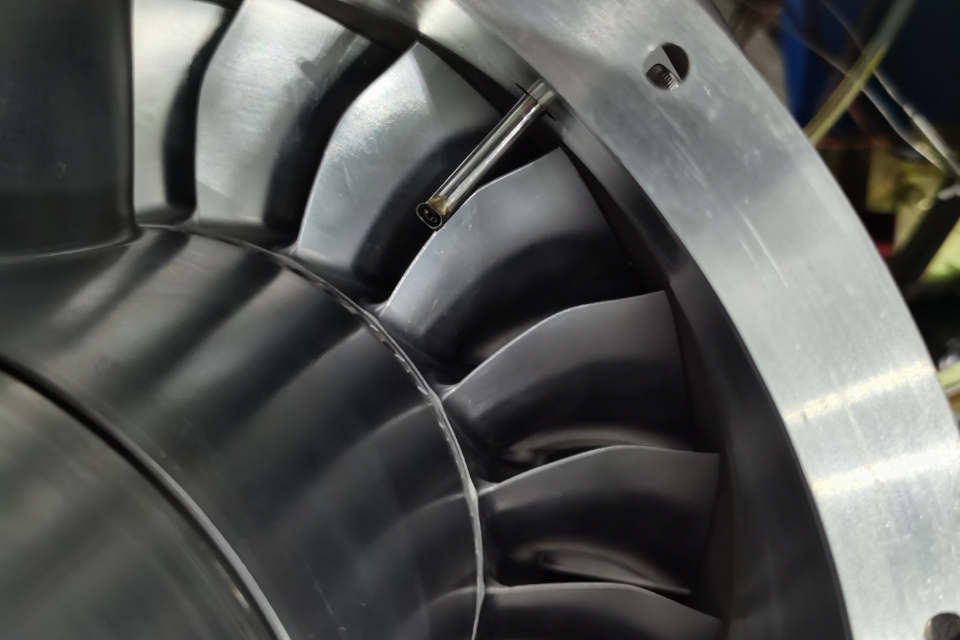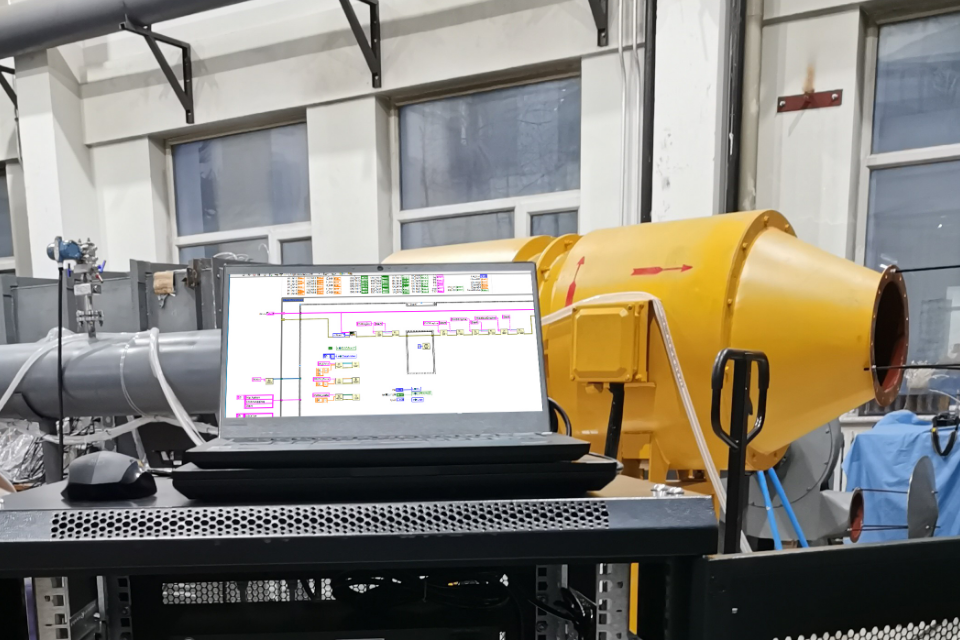

NASA opened the Flight Dynamics Research Facility(FDRF) at Langley Research Center in June 2026, marking the agency's first major wind tunnel laboratory construction in more than four decades. The FDRF replaces two historic facilities — the 12-Foot Low-Speed Tunnel and the 20-Foot Vertical Spin Tunnel — with a single high-performance vertical test section designed for spin tests, free-flight experiments, and atmospheric entry simulations. The facility's rising airflow system will support missions ranging from X-plane development to Artemis return-to-Earth operations.With every test run, pressure measurement systems collect the aerodynamic data that determines whether a model can successfully take flight as designed.
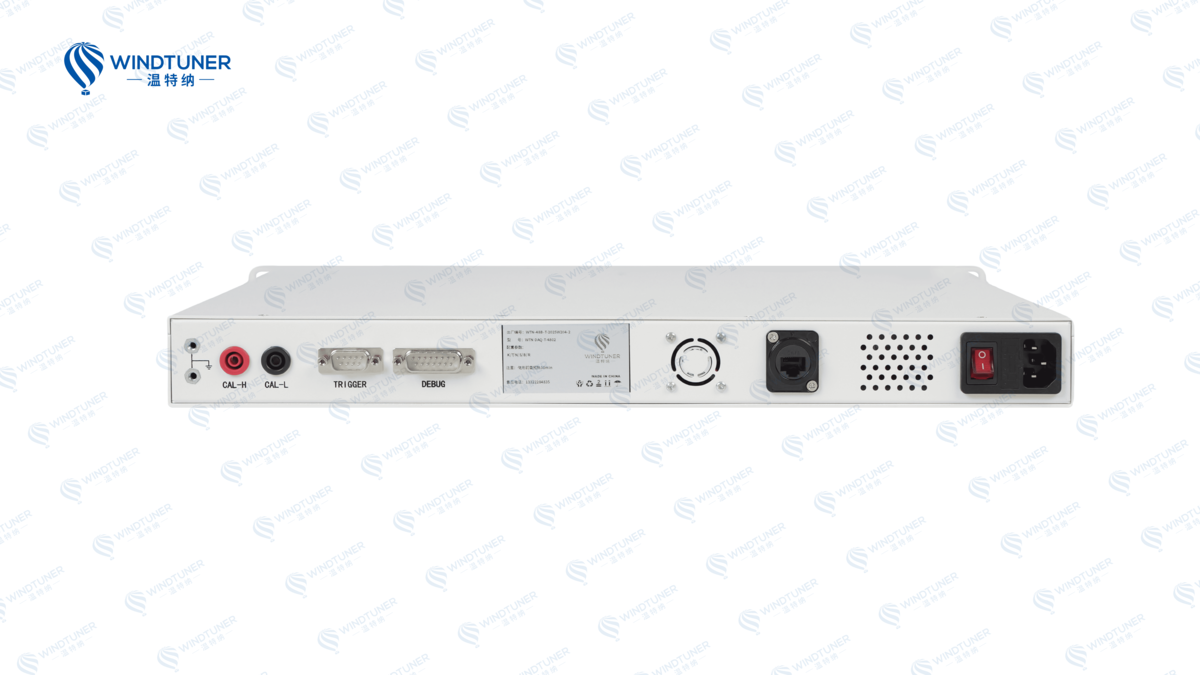
Windtuner's 48-Channel Thermocouple Acquisition Instrument
What the FDRF Has to Offer for Wind Tunnel Testing
The FDRF inherits equipment and expertise from both legacy wind tunnels. Engineers repurposed test rigs and data systems from the old facilities to cut development time and cost. This new building covers 25,000 square feet. Its vertical test section lets researchers study aircraft spins, evaluate parachute deployment, and simulate planetary atmospheric entry in one place. NASA plans to use this tunnel for autonomous flight vehicles, drone programs, and science missions to Venus and Titan. This facility also prepares for Artemis return-to-Earth entry tests and parachute qualification work that earlier required two separate locations. The message for the broader aerospace industry is direct: wind tunnel testing still matters. Computational fluid dynamics speeds up design exploration, but a concept cannot be validated until calibrated instruments, such as pressure scanners and multi-hole probes, prove that real airflow behave as simulations calculated.
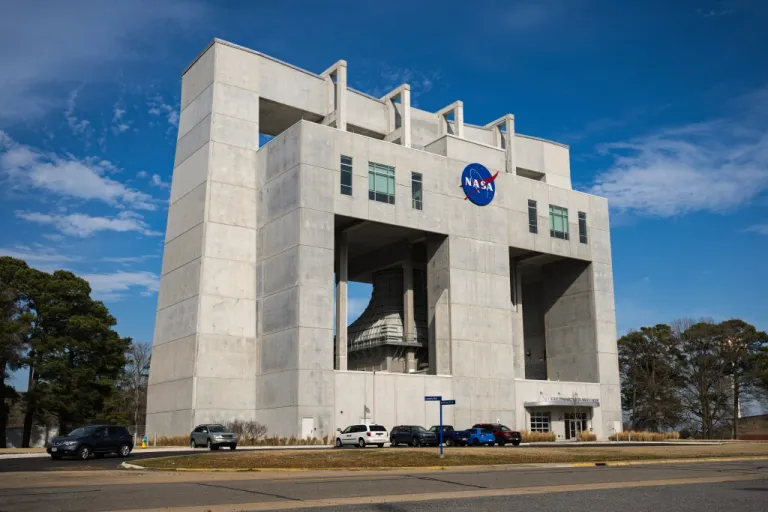
Credit: NASA/Langley Research Center
Pressure Measurement at the Center of FDRF
Pressure data feeds directly into flight dynamics analysis inside a facility like the FDRF. Engineers map pressure distributions across models to calculate forces, find stall margins, and check control surface response. Multi-hole probes cut through airflow to map three-dimensional velocity fields. Pressure scanners pull synchronized data from dozens of channels at the same time. Measurement accuracy determines whether the conclusions from a test hold up. NASA learned this lesson many times over:Past NASA creations such as the X-29 forward-swept-wing demonstrator, the X-59 quiet supersonic jet, and the Dragonfly Titan rotorcraft aeroshell all needed precise pressure instrumentation to connect design predictions to actual flight behavior. The same requirement applies to every research team running tests today. A wind tunnel without trustworthy pressure data cannot produce results worthy of its cost and technical value.
Windtuner Aligns with Facility-Level Standards
Windtuner manufactures pressure scanners and pneumatic probes for aerodynamic research teams that work at this standard. Our pressure scanners achieve ±0.05% FS accuracy with 24-bit A/D conversion and 500 Hz sampling rates. The result is clean data streams for transient flow analysis. IEEE1588V2 time synchronization keeps multi-channel acquisitions aligned across distributed nodes. That matters when research teams run back-to-back comparisons in complex facilities. We house three wind tunnel laboratories to examine and calibrate our products, all accredited by CNAS. Every pneumatic probe and pressure scanner undergoes strict factory calibration before it reaches a client. The instruments arrive ready to use. A research team studying aircraft spins in a vertical tunnel or mapping compressor blade passages in a subsonic facility gets measurement hardware built for facility-grade testing. We also provide custom probe designs when standard configurations do not fit a specific model geometry.
Just as how NASA is beginning operations in the state of the art FDRF, the utility and value of wind tunnels are still expanding across space exploration sectors, and global aviation and defense as well. The engineers running these tests need pressure measurement systems that produce trustworthy data without compromise, and Windtuner has professional expertise to form tailored and complete systems and solutions.