
A New Pressure Facility Raises the Measurement Bar
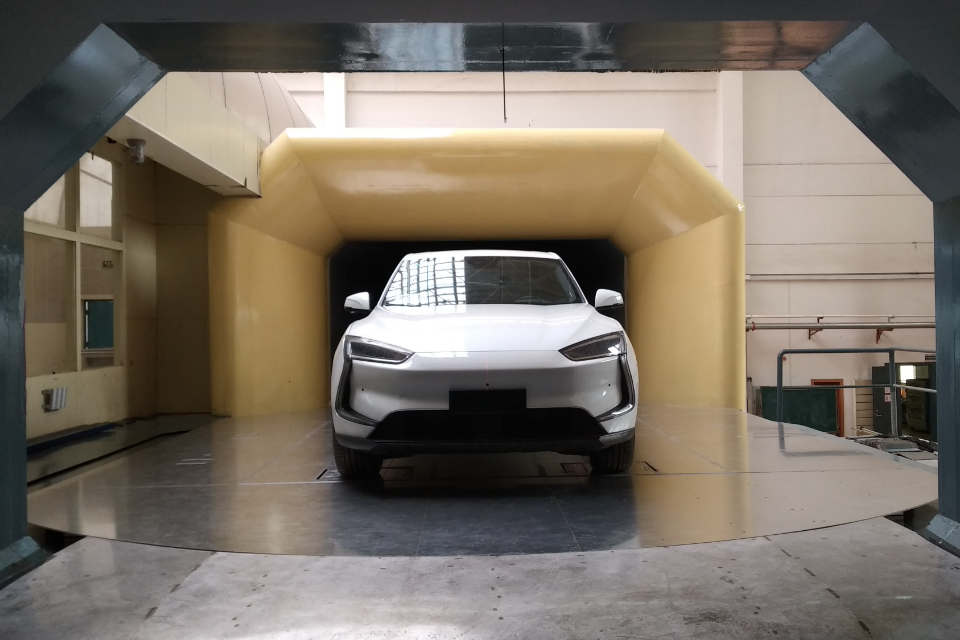
The Wuhan pressure research facility combines high temperature, low temperature, and altitude simulation in one chamber. Its announced test scope includes energy management, thermal management, emissions, low-altitude equipment, and environmental adaptation. The launch also included a data platform that connects test planning, measurement-point layout, execution, analysis, and reporting. This matters because a chamber setpoint alone does not describe the condition at every pressure tap or pneumatic line.A vehicle test can move through cold soak, airflow ramp, altitude change, and stabilized operation. Static pressure, differential pressure, temperature, and timing all move during that sequence. If the pressure channels are recorded without the chamber state, an engineer may compare two points that look similar but were acquired under different density or thermal conditions. The hardware chain and the test record have to follow the same clock.
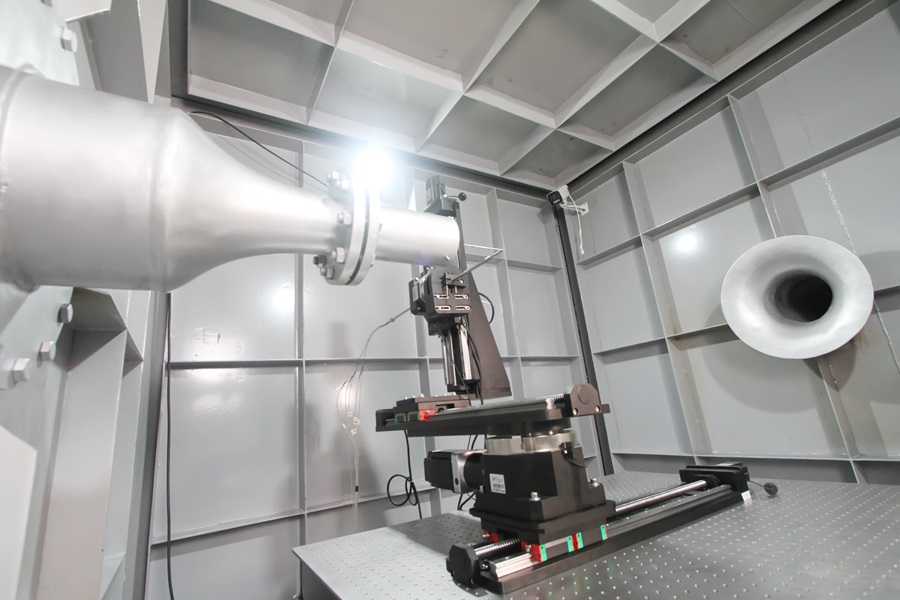
WINDTUNER's Supersonic Calibration Wind Tunnel
The new facility is a useful reminder that environmental range belongs in the thermal measurement design, not in a footnote. A pressure scanner rated for ordinary laboratory use should not be placed in a -43°C zone. The engineer can locate it outside the cold volume, route short pressure lines through a conditioned interface, or specify a heated enclosure. Line length, condensation control, response time, and leak checks then become part of the multi-channel design.
Environmental Wind Tunnel Pressure Measurement Starts with Boundaries
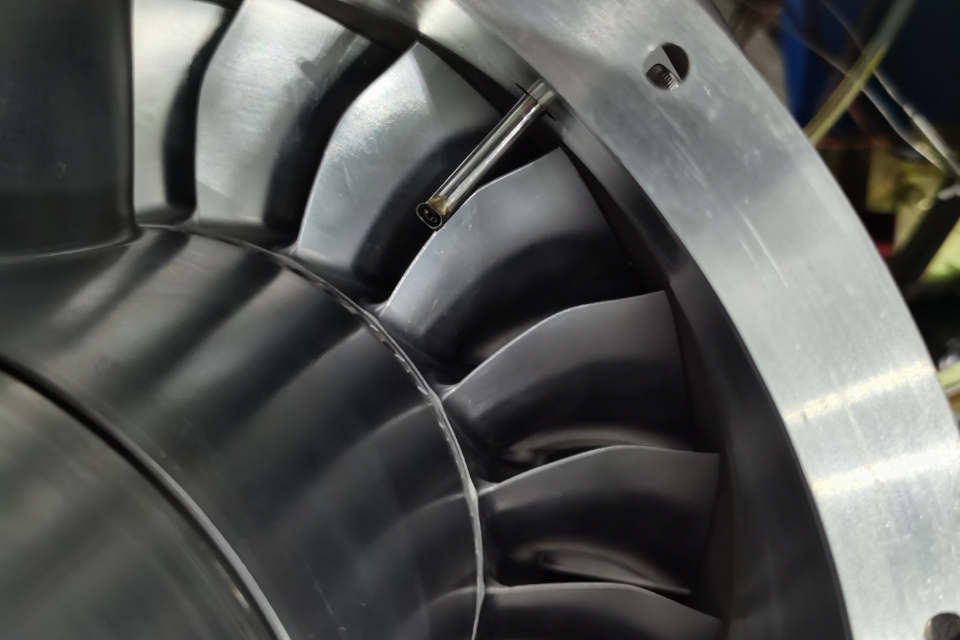
WINDTUNER's pressure scanner is a suitable tool when it comes to specific and strict test environments as displayed in the Wuhan facility, as it can operate from 0 to 60°C as standard, with an optional -30 to 60°C range. The range of total temperature error is specified at ±0.001% FS/°C. Those limits give the test engineer a clear placement rule. The optional configuration can work through many cold-chamber conditions, but the published -43°C facility minimum still falls below the pressure scanner rating. For that point, the pressure scanner needs thermal protection or placement outside the extreme zone.Each pressure scanner integrates 16 calibrated sensor modules, 24-bit A/D conversion, sampling up to 500 Hz, and ±0.05% FS accuracy. Multiple units can expand the channel count around a vehicle or low-altitude test article through multi-way connectors. IEEE 1588V2-2008 time synchronization keeps distributed channels aligned with other acquired signals, while TCP/IP and UDP carry data across the test network.
Pressure range selection matters as much as temperature rating. Simulated altitude changes the chamber reference pressure, while local taps measure smaller aerodynamic differences on top of that moving baseline. The selected range must cover the expected load without damaging the useful differential pressure signal. Zero checks before a condition change and after thermal stabilization give the operator a direct view of channel drift.
Connect Every Pressure Reading to the Test Condition
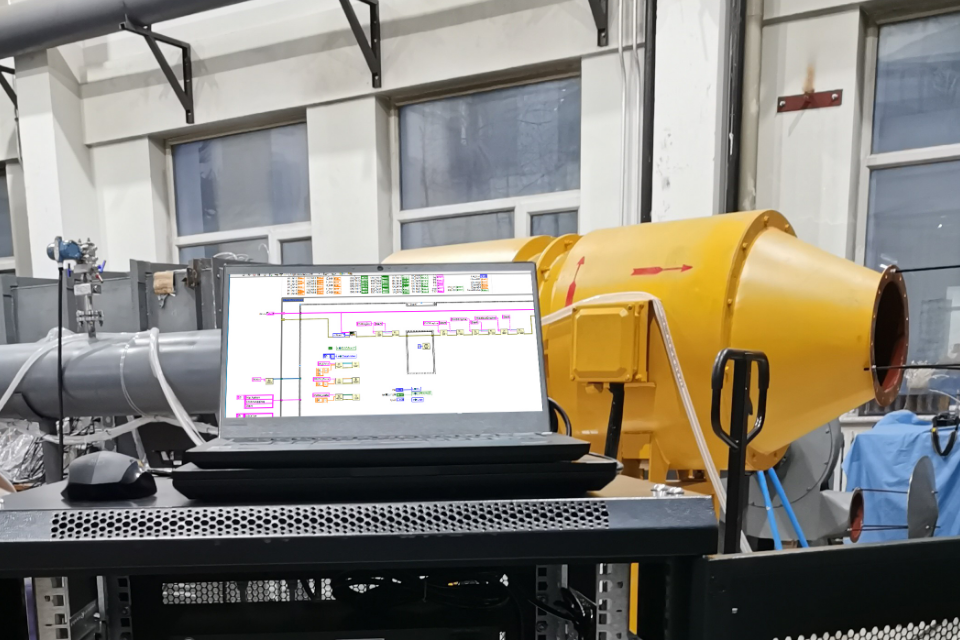
WindLabX manages pressure scanner settings, acquisition, calibration tasks, and live plots from one workstation. In an environmental campaign, the channel record should carry the chamber temperature, simulated altitude, airflow state, scanner configuration, and calibration status. A shared timestamp links a pressure change to the event that caused it, in contrast to leaving the team to reconstruct the sequence after the run. This also makes it very suitable for our precise and reliable thermocouple DAQ, in cases of collecting thermal data in environmental flow fields.The same discipline applies before a vehicle enters the chamber. Engineers can define tap names, ranges, reference channels, and decision limits during measurement-point planning. At the rig, they verify tubing routes and run zero checks. During the test, trend plots expose a blocked line or drifting channel early. Afterward, the dataset retains the thermal and pressure configuration behind every result.
Environmental wind tunnel pressure measurement now has to follow temperature, altitude, airflow, and test timing as one record. The Wuhan facility shows how much ground a modern chamber can cover. WINDTUNER pressure scanners, WindLabX software, and a correctly conditioned pneumatic layout give engineers a measurement chain that respects the chamber limits and produces pressure data they can trace back to the actual test condition.