
Windtuner's Atmospheric Pressure Scanner
Market Growth Puts Data Under Pressure
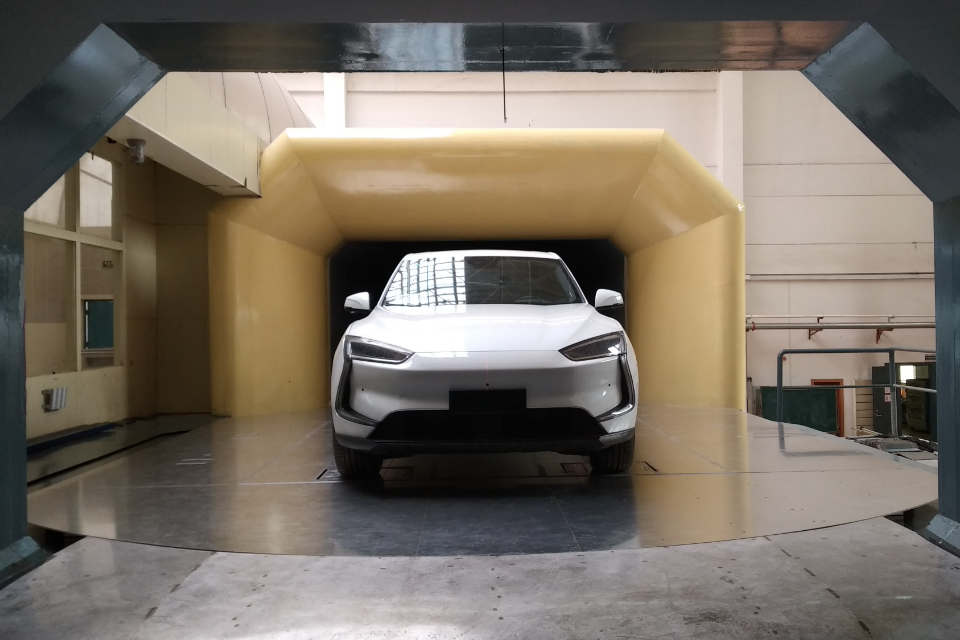
The market numbers make sense when you walk into a modern test facility. Aircraft programs run more configuration sweeps. Automotive teams test active aero parts, cooling paths, and cabin noise cases in the same campaign. Turbomachinery benches map inlet distortion and blade passage behavior at higher channel counts. Each program creates more pressure lines, more synchronization points, and more chances for small measurement errors to distort a design decision.That is where pressure measurement becomes a serious commercial filter. A tunnel can have a strong fan system, quiet walls, and careful model hardware, but weak pressure acquisition equipment could still harm a well-planned run. A pressure scanner now has to live near the model, move data through the lab network, and hold accuracy through repeated range changes. Test teams want instruments that fit existing benches without forcing a full rebuild of the data system.
Ethernet Intelligent Pressure Scanner Performance at the Bench
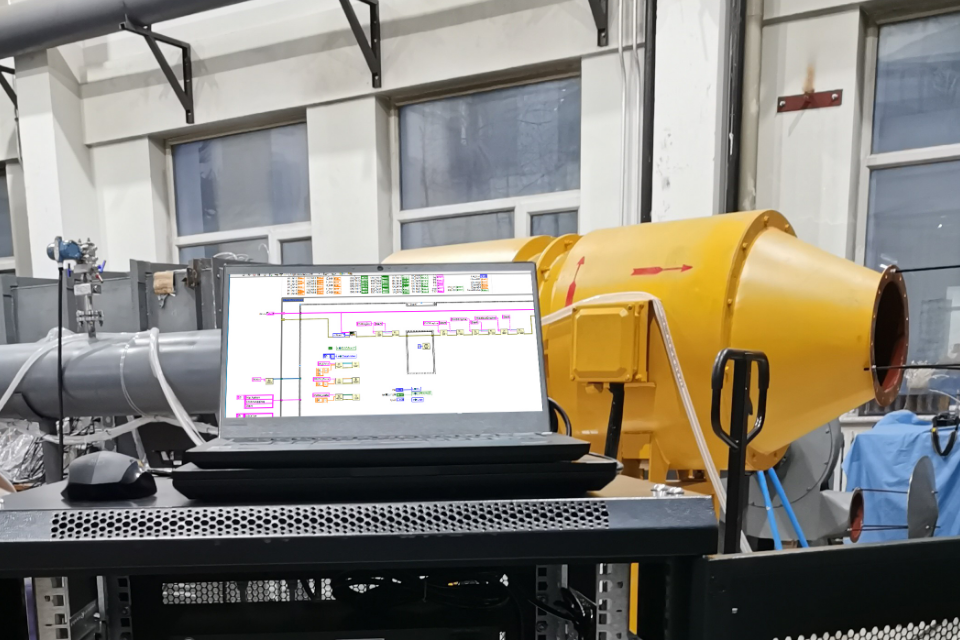
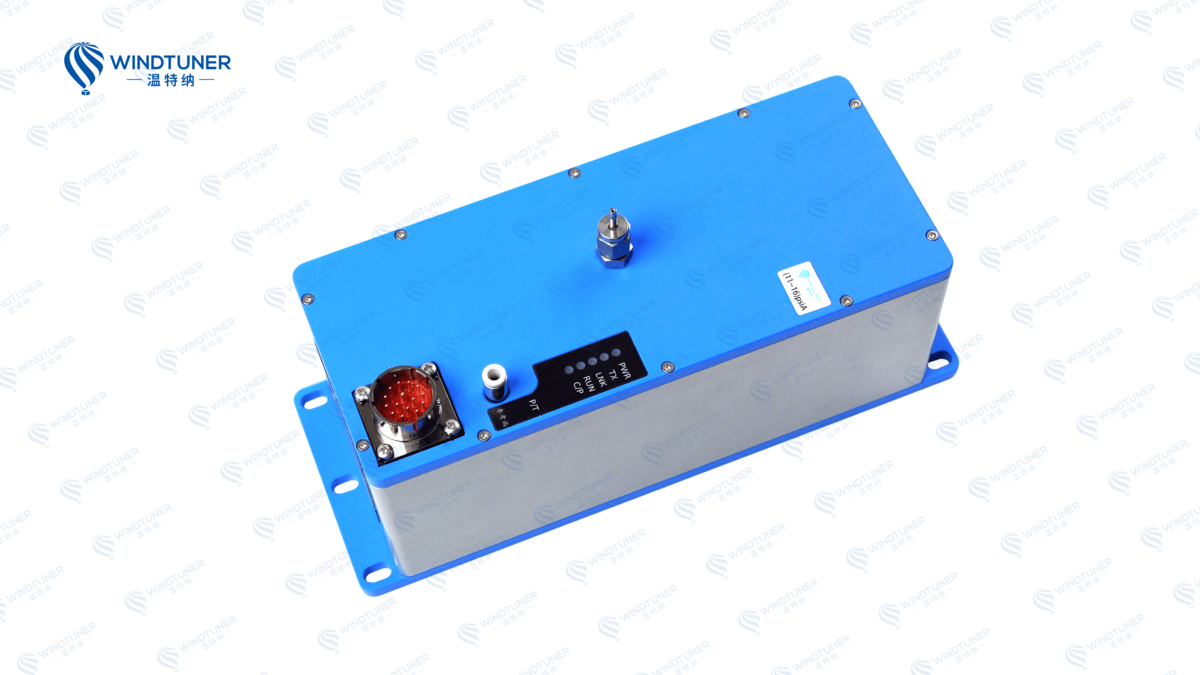
Windtuner pressure scanners are built to adapt to bench pressure. Each unit delivers ±0.05% FS accuracy with 24-bit A/D resolution, 16 channels per unit, and user-adjustable sampling up to 500 Hz. The pressure scanner communicates through TCP/IP and UDP, runs software, hardware, or timed triggers, and uses IEEE1588V2-2008 time protocol when multiple acquisition nodes must line up in the same run.The specification sheet is only the start. Internal zero calibration, full-scale calibration, and multi-point calibration give engineers a faster way to prepare the pressure scanner before a long campaign. The built-in pneumatic valve system cuts routine maintenance work, while remote firmware updates keep the instrument practical for distributed laboratories. Windtuner pressure scanners also integrate with WindLabX measurement and control software, so pressure readings, device status, and flow-field maps stay in one workflow rather than scattered across separate tools.
From Calibration to Test-Day Confidence
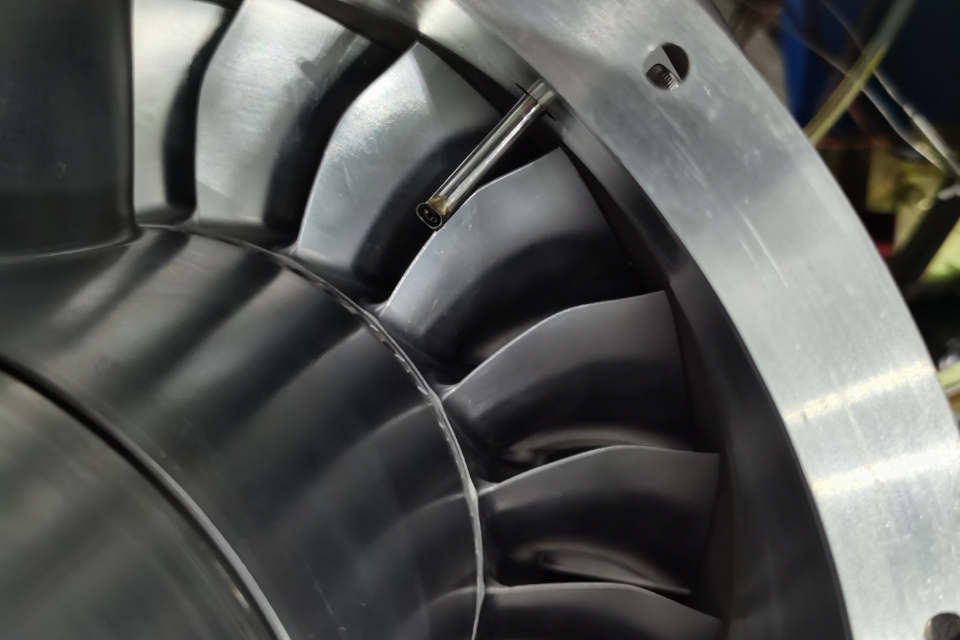
Accuracy depends on the instrument and on the discipline behind it. Windtuner operates a calibration wind tunnel laboratory accredited by CNAS under ISO/IEC 17025 management. We calibrate pressure scanners and digital manometers in our pressure laboratory, then use subsonic, low-speed, and supersonic calibration tunnels for pressure probe and airflow sensor work. This gives traceability a physical base, not just a certificate at the end of a shipment.Windtuner also manufactures the hardware around the scanner. Our pneumatic probes can be tailored for materials, port count, aperture size, probe head dimensions, stem length, mounting design, and blockage ratio. In wind tunnel testing, that means a pressure probe can match the actual flow field rather than forcing the test plan around catalog geometry. For full test benches, we build the measurement system with pressure scanner, pressure probe, electric actuator, and software moving as one chain.