
Windtuner's Pressure Scanner
Why Pressure Scanner Architecture Matters
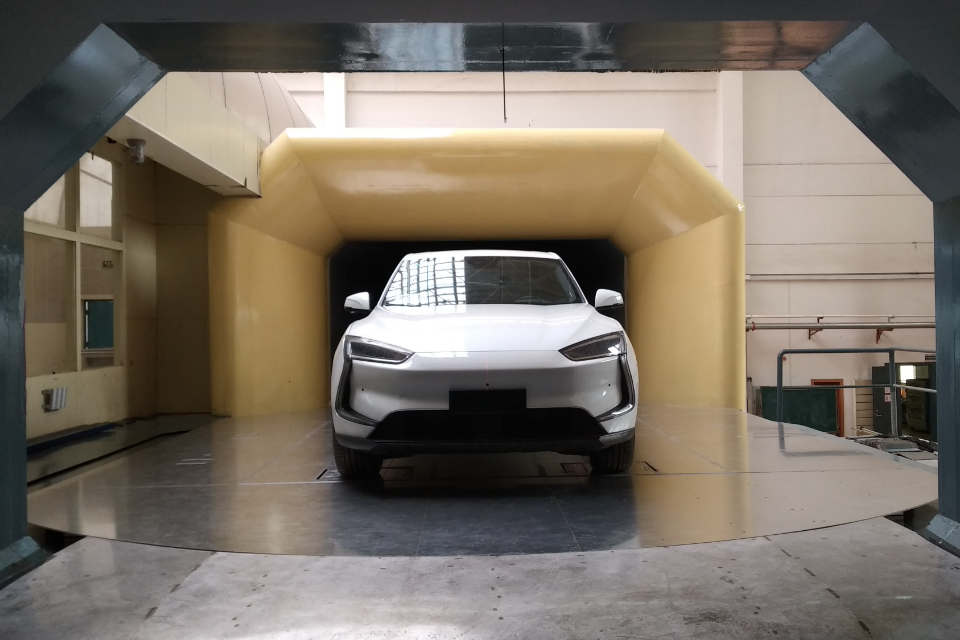
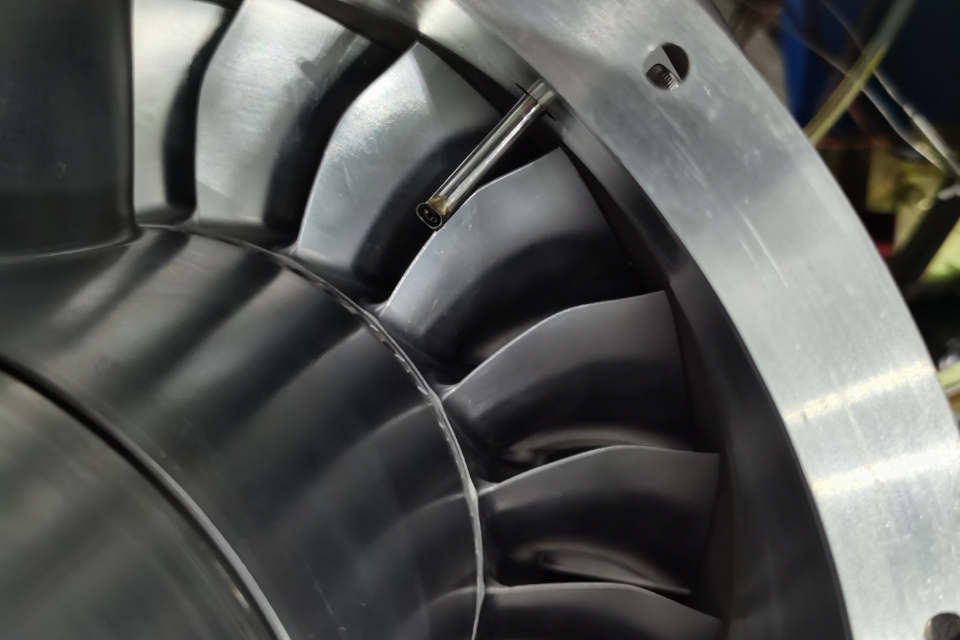
Pressure measurement used to be treated as a back-room utility. In a modern wind tunnel, it is closer to the backbone of the experiment. A wing pressure map, an inlet distortion study, or a turbomachinery rig can involve dozens of ports spread across moving hardware. If each group of channels reports at a slightly different moment, the engineer sees a distorted version of the flow.
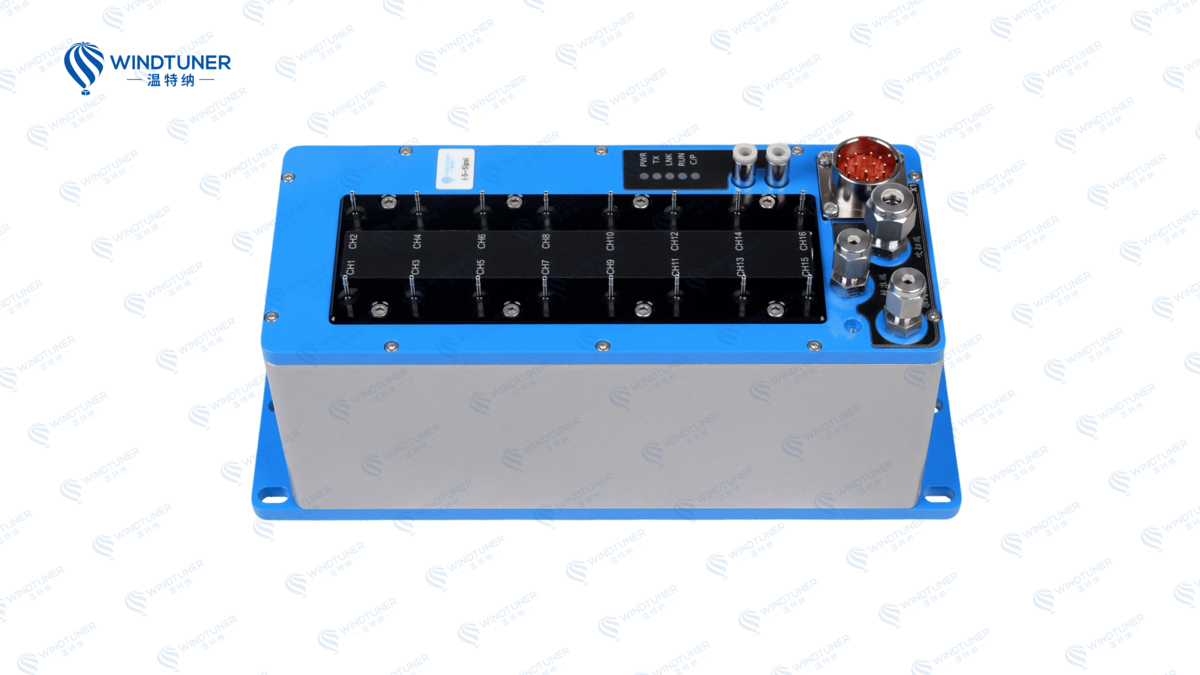
A pressure scanner solves part of that problem only when the architecture fits the job. Windtuner pressure scanners use TCP/IP and UDP communication, so the acquisition layout can sit near the model instead of forcing every tube back to one cabinet. Shorter pneumatic lines reduce lag and simplify maintenance. The system also supports software trigger, hardware trigger, and timed trigger modes, which gives the test engineer a direct way to run steady pressure surveys and transient runs from the same bench.
Ethernet Intelligent Pressure Scanner Data Without Timing Issues
The phrase "Ethernet Intelligent Pressure Scanner" contains significance both in its ethernet port and its intelligence. In real testing environments, timing discipline decides whether pressure data can be compared with balance data, actuator position, model attitude, and probe traverse data. Windtuner pressure scanners support IEEE1588V2 time synchronization and time output during data stream acquisition. That lets engineers align channels across multiple units and read pressure changes against the actual test event.
This matters in wake survey work and inlet testing. A pressure probe may move through a flow field while an electric actuator records position. The pressure scanner has to deliver data that lines up with that motion. Without that alignment, a clean contour plot can still tell the wrong story. With synchronized acquisition, the data trail is easier to defend when a design team reviews the result after a long test day.
Built for Calibration and Field Use
Windtuner does not separate product claims from calibration practice. We run a calibration wind tunnel laboratory accredited by CNAS, and we use that facility to calibrate pressure scanners and pneumatic probes before shipment. For a client comparing our service to suppliers such as Scanivalve or TE, their concern is not limited to how each pressure scanner looks on a specification sheet. The question is whether the supplier can connect the scanner, the probe, the software, and the calibration record into one trustworthy workflow.
The pressure scanner includes internal zero calibration, full-scale calibration, and multi-point calibration. It also supports remote firmware updates, which matters when a lab runs several units across different test stands. The hardware uses 16 calibrated accurate pressure sensor modules and can integrate atmospheric pressure and atmospheric temperature sensors. Product prototypes go through more than 10000 hours of durability examination before mass production, because a scanner that fails during a booked tunnel run costs more than its purchase price.
Expanding the Test Bench With Less Noise
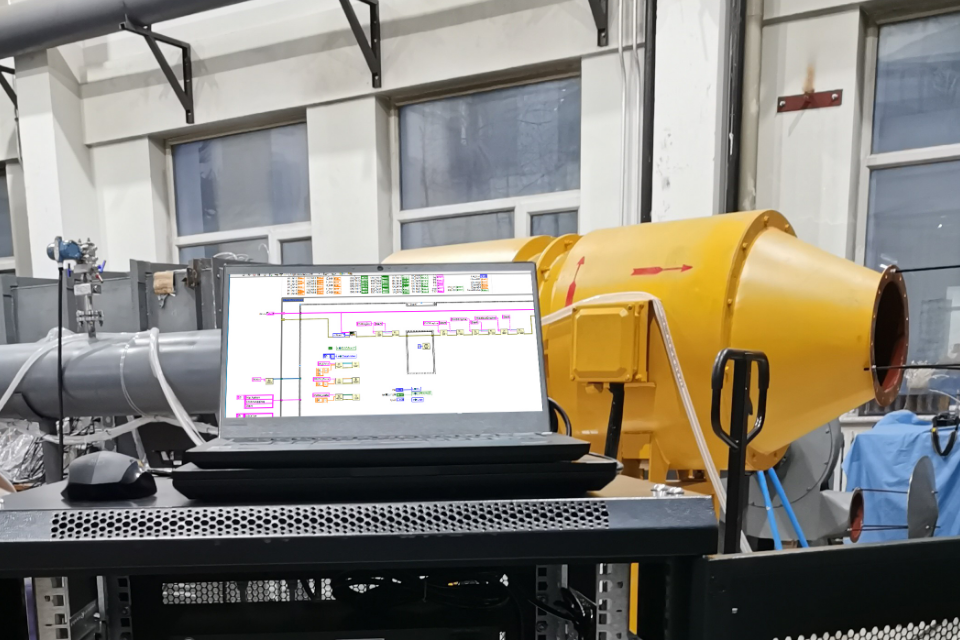
A good measurement chain should grow with the experiment. Windtuner clients often start with pressure acquisition, then add pressure probes, electric actuators, and WindLabX measurement and control software as the test plan becomes more demanding. That sequence works because the parts speak the same engineering language. The pressure scanner collects clean channel data. The pressure probe captures flow angle and velocity information in the tunnel. The actuator moves the probe through a repeatable path. WindLabX ties the run together for acquisition, calibration, and parameter settings.
This is where the modular design of pressure measurement proves to be practical. Engineers can add channels, select ranges, and adjust sampling frequency without rebuilding the whole system. Windtuner pressure scanners deliver the accuracy and timing discipline that make the larger chain useful. As more aerospace, automotive, engine, and wind energy teams demand tighter flow field data, an Ethernet Intelligent Pressure Scanners become a working part of the test strategy, not just another instrument in the rack.