
A 3-hole probe and a 5-hole probe both use pressure differences among several ports, together with calibration data, to determine flow parameters. The most visible difference is the number of ports, but that is not the best basis for selection. The real questions are whether the test needs a two-dimensional or three-dimensional flow measurement, how far the flow angle may vary, and how much room is available for the probe and its tubing. Once those conditions are clear, the choice between a 3-hole probe and a 5-hole probe becomes much more straightforward.
A 3-Hole Probe Is Well Suited to Two-Dimensional Flow
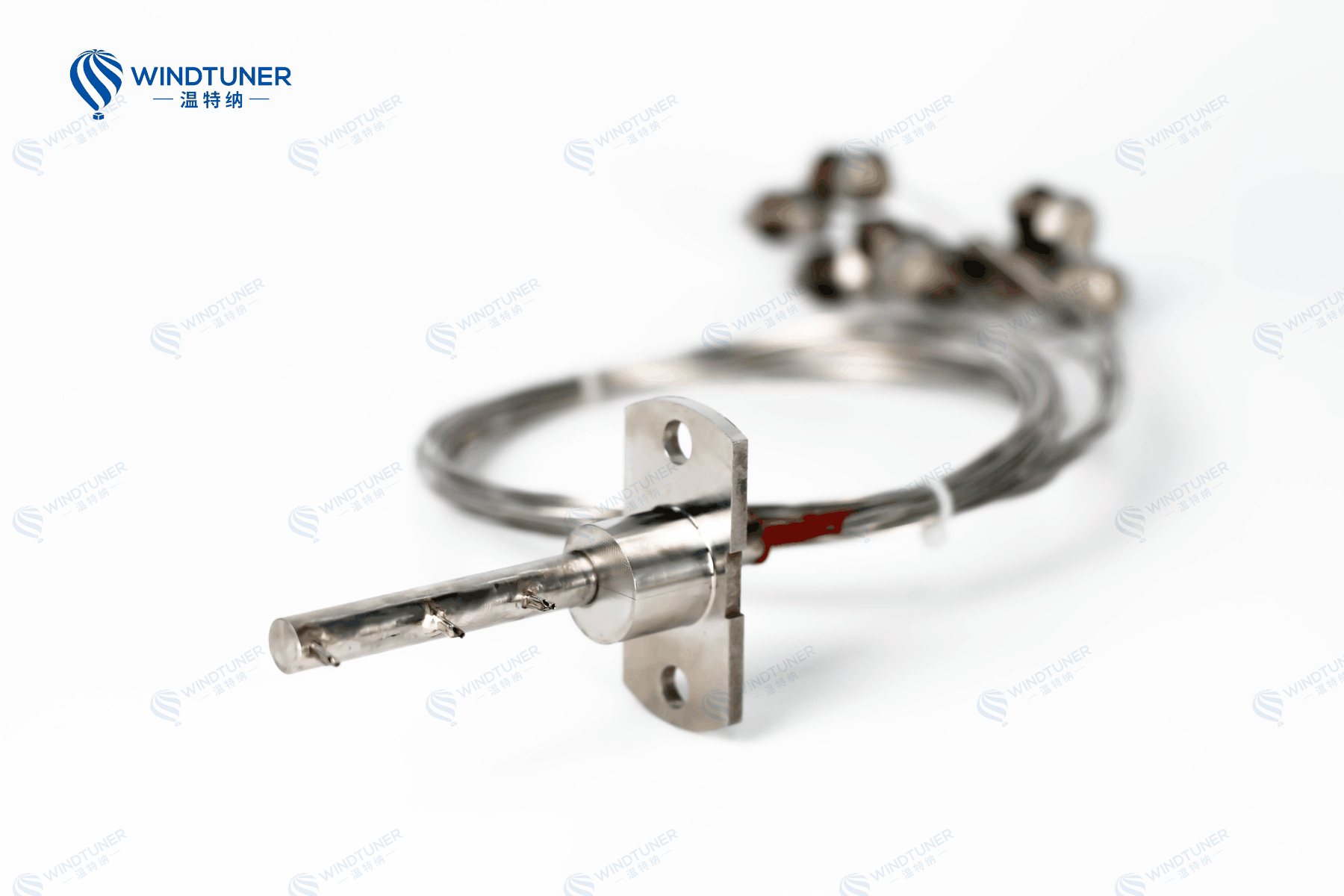
A typical 3-hole probe has a center port with one pressure port on either side. The center port primarily senses the pressure in the forward direction, while the difference between the two side ports changes as the flow turns. After wind tunnel calibration, these pressure relationships can be used to determine total pressure, static pressure, velocity, and the flow angle in one plane. For a flow that varies mainly within a single plane, a 3-hole probe can often provide all the information the test requires. Its compact structure uses fewer pressure channels, which also makes it easier to install where measurement points are closely spaced or access is limited.
A 5-Hole Probe Resolves Three-Dimensional Flow
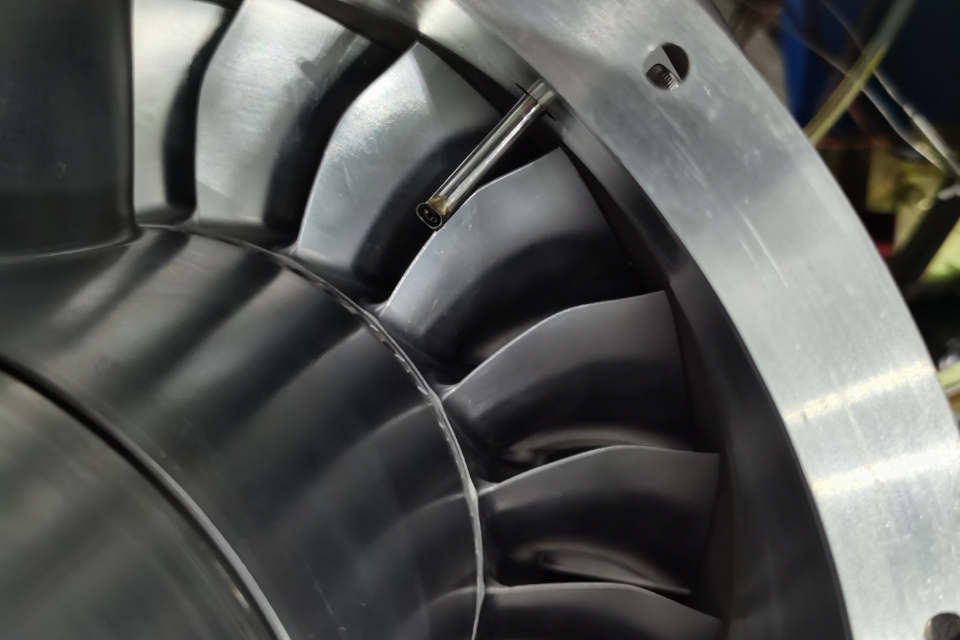
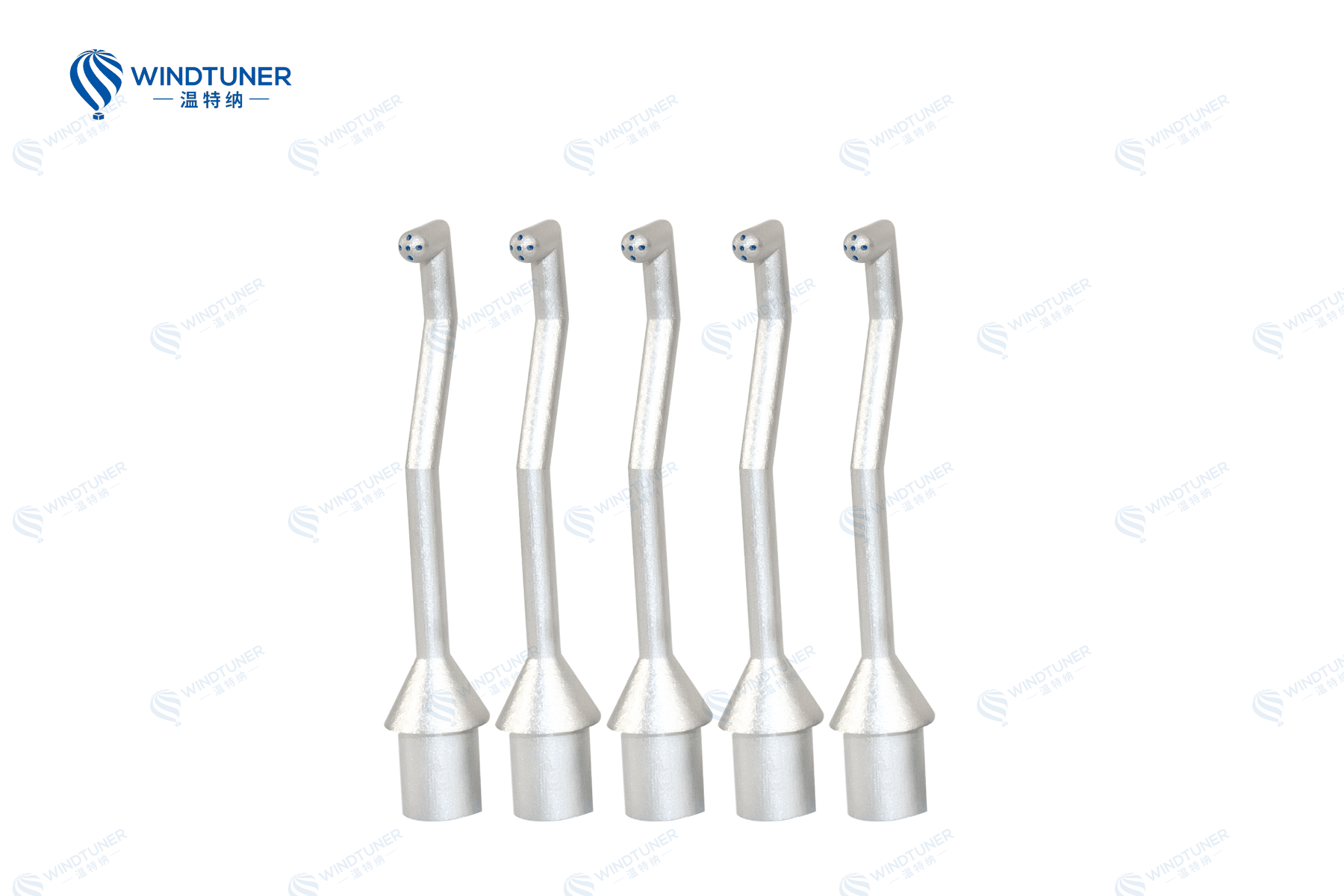
A 5-hole probe places additional directional ports around the center port, allowing it to sense pressure changes along two perpendicular axes. With the appropriate calibration data, it can determine total pressure, static pressure, velocity, and flow angles in two directions. This makes it a better fit for flows with clear three-dimensional behavior, such as those at turbomachinery exits, in curved passages, or in complex wakes. WINDTUNER 3-hole probes are designed for two-dimensional flow measurements and can cover angles up to ±30 degrees, while 5-hole probes are designed for three-dimensional measurements and can cover angles up to ±45 degrees. The final selection still needs to account for probe geometry, calibration range, and actual operating conditions rather than relying on these two figures alone.
More Ports Also Place More Demands on the System
A 5-hole probe provides more directional information, but it also uses more pressure channels and requires more involved calibration and data processing. If the flow is essentially two-dimensional, those extra channels may add little value. If pitch and yaw both vary significantly, however, a 3-hole probe may not describe the incoming flow completely. Other considerations include the disturbance caused by the probe head, the risk of blocked pressure ports, the dynamic response of the tubing, and the channel count and range of the pressure scanner. Tests with strong high-frequency fluctuations also require a separate review of the pneumatic lines and acquisition system response.
Work Backward from the Measurement Objective
A sound selection process starts with the required parameters. Speed range, angular range, installation space, temperature, and target uncertainty can then be defined before choosing a three-hole or five-hole design. WINDTUNER customizes pneumatic probes to match the flow field, including probe shape, number and diameter of ports, stem, and mounting arrangement, and calibrates them in dedicated calibration wind tunnels. For confined spaces or unusual geometries, the probe form can be adjusted within manufacturing and strength limits instead of forcing the test setup to accommodate a standard probe.
A 3-hole probe is generally the more direct choice for velocity and direction measurements in a two-dimensional plane. A 5-hole probe is intended for three-dimensional flow and resolves angular changes in two directions. Neither is automatically the better instrument. The right choice depends on the dimensionality of the flow, the angular range, the installation, and the rest of the pressure measurement chain. Matching those factors to the test is what makes a 3-hole probe useful rather than merely convenient.
A 3-hole probe is generally the more direct choice for velocity and direction measurements in a two-dimensional plane. A 5-hole probe is intended for three-dimensional flow and resolves angular changes in two directions. Neither is automatically the better instrument. The right choice depends on the dimensionality of the flow, the angular range, the installation, and the rest of the pressure measurement chain. Matching those factors to the test is what makes a 3-hole probe useful rather than merely convenient.