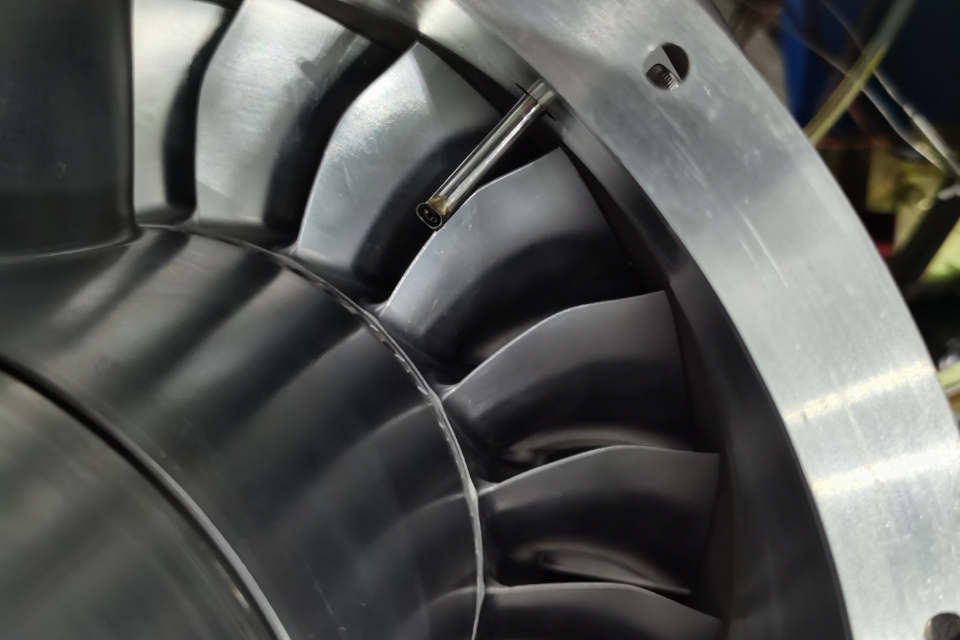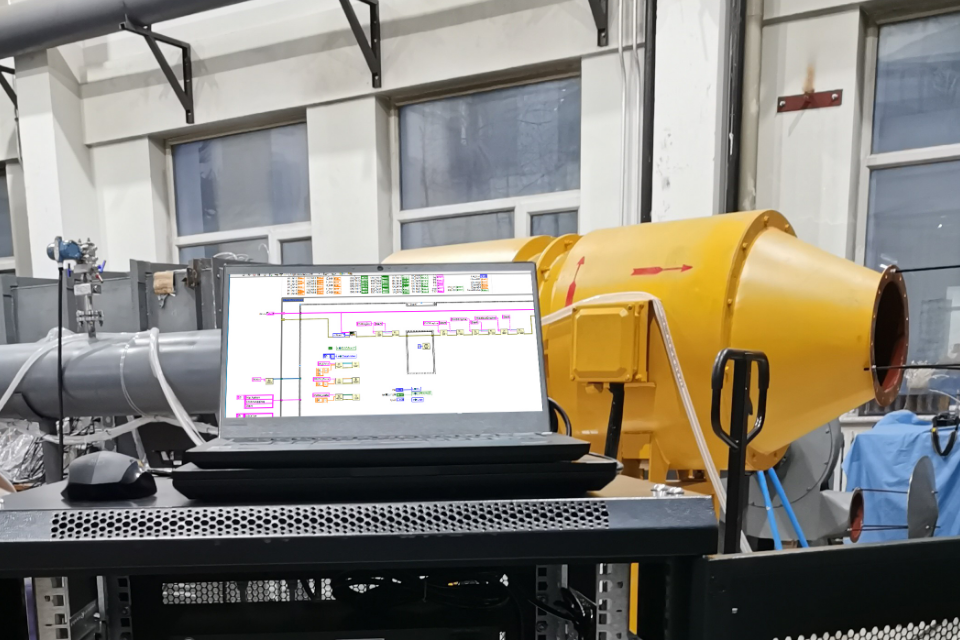

A pitot-static probe and a total pressure probe both face the oncoming airflow, and both involve total pressure. They do different jobs, though. WINDTUNER's total pressure probes and other pneumatic probes are mainly used during product development and testing, where engineers need to examine the flow at specific points. A pitot-static probe is mounted on a UAV or other aircraft to provide continuous total- and static-pressure signals in flight. The aircraft system uses those signals to calculate airspeed and other parameters. Their similar shapes can hide a basic difference in where and how they are used.
What Each Probe Measures
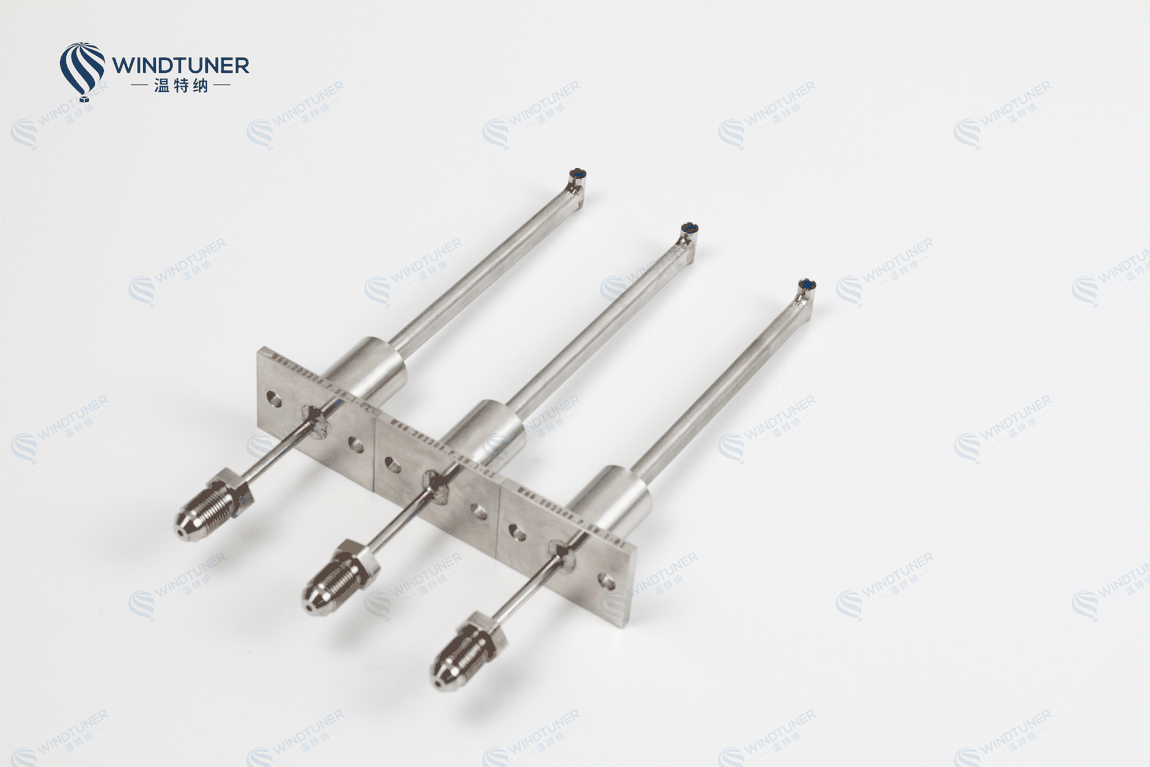
A total pressure probe typically points its pressure port into the flow. Air approaching the port is brought nearly to rest there, allowing the probe to sense total pressure at that point. If the test also requires velocity, engineers need a suitable static-pressure reference from the same flow, along with air density and the appropriate calculation method. Total pressure alone is not an airspeed reading. In development work, a total pressure probe may be paired with a pressure scanner and a traverse system to collect readings at multiple positions and map pressure around a model or across a test section.
A pitot-static probe brings total- and static-pressure measurements together in a flight probe. Its forward-facing port senses total pressure, while its static-pressure ports sense pressure in the surrounding flow. An air data computer uses those signals to calculate airspeed and other required parameters. The calculation must fit the flight speed and ambient conditions; one simple formula does not cover every operating regime. The question is not which probe is more advanced, but what pressure information the task calls for and how the system uses it.
A pitot-static probe brings total- and static-pressure measurements together in a flight probe. Its forward-facing port senses total pressure, while its static-pressure ports sense pressure in the surrounding flow. An air data computer uses those signals to calculate airspeed and other required parameters. The calculation must fit the flight speed and ambient conditions; one simple formula does not cover every operating regime. The question is not which probe is more advanced, but what pressure information the task calls for and how the system uses it.
Development Testing vs. Flight
During development, engineers often need to see how air moves around a particular part. They can place a total pressure probe at a chosen measurement point or move it through a test area to collect readings position by position. Available space, probe shape, and the disturbance the probe introduces to the flow all affect the setup. After a test, the probe can be removed, adjusted, or repositioned. The team can also check pressure tubing and calibration data for the conditions being tested. That is a very different job from remaining installed on an aircraft through repeated flights.
A flight-mounted pitot-static probe must keep working through takeoff, cruise, turns, and landing. The aircraft needs more than a one-time reading at one point: it needs pressure signals that feed reliably into its onboard data chain. WINDTUNER’s WTN-PT100 pitot-static probe combines total- and static-pressure measurement for aircraft airspeed and air-data applications and can connect to a compatible air data computer. Probe location, disturbance from the airframe, tubing, and downstream processing all need to be checked as parts of one system.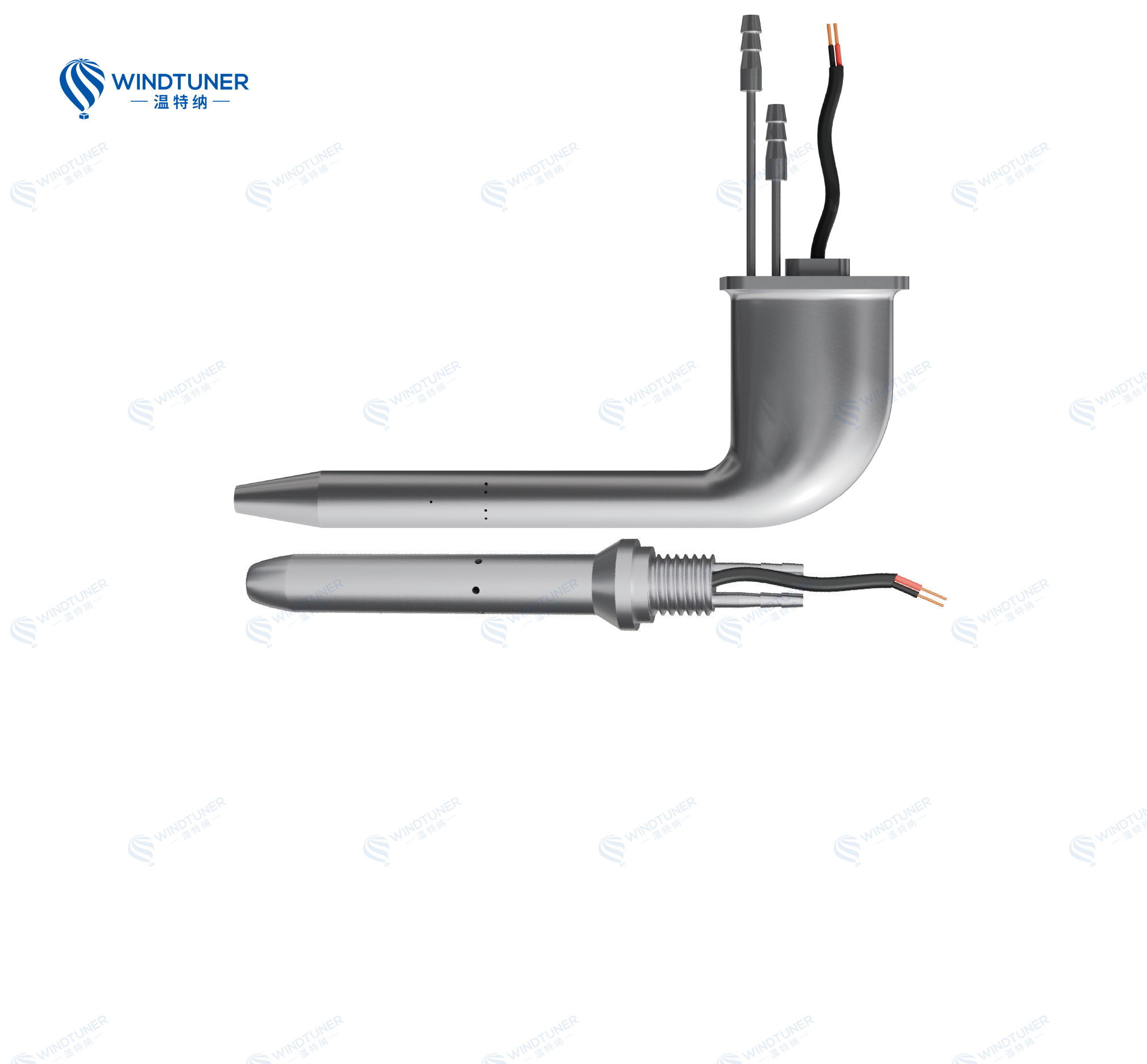
A flight-mounted pitot-static probe must keep working through takeoff, cruise, turns, and landing. The aircraft needs more than a one-time reading at one point: it needs pressure signals that feed reliably into its onboard data chain. WINDTUNER’s WTN-PT100 pitot-static probe combines total- and static-pressure measurement for aircraft airspeed and air-data applications and can connect to a compatible air data computer. Probe location, disturbance from the airframe, tubing, and downstream processing all need to be checked as parts of one system.
Why Shape and Name Are Not Enough
Both devices may have a long, narrow probe shape, but that does not make them interchangeable. For a total pressure probe used in a wind tunnel or on a test stand, the key questions include measurement location, flow angle, pressure range, and connections to other test equipment. A flight-mounted pitot-static probe also has to meet installation, environmental, and continuous-operation needs. Heating and anti-icing functions are available for some WINDTUNER airspeed measurement products, depending on the model and project configuration; a feature offered on one model should not be assumed for every product.
This is why the ability to measure total pressure is not, by itself, a complete in-flight airspeed solution. The system also needs a suitable static-pressure source, sensors, tubing, and data processing. Conversely, an airspeed probe built for flight does not replace a pneumatic probe used to scan a local flow field during development. Both have a place in the path from testing to flight, but they serve different tasks.
Start with the setting: is the equipment measuring local flow in a test facility, or will it fly with the aircraft and supply airspeed data continuously? For the first task, look at measurement-point placement and the acquisition setup for a total pressure probe. For the second, build the solution around the pitot-static probe’s onboard installation, pressure signals, and air-data calculation chain. Defining the task usually makes the right choice clearer than the probe name alone.
This is why the ability to measure total pressure is not, by itself, a complete in-flight airspeed solution. The system also needs a suitable static-pressure source, sensors, tubing, and data processing. Conversely, an airspeed probe built for flight does not replace a pneumatic probe used to scan a local flow field during development. Both have a place in the path from testing to flight, but they serve different tasks.
Start with the setting: is the equipment measuring local flow in a test facility, or will it fly with the aircraft and supply airspeed data continuously? For the first task, look at measurement-point placement and the acquisition setup for a total pressure probe. For the second, build the solution around the pitot-static probe’s onboard installation, pressure signals, and air-data calculation chain. Defining the task usually makes the right choice clearer than the probe name alone.