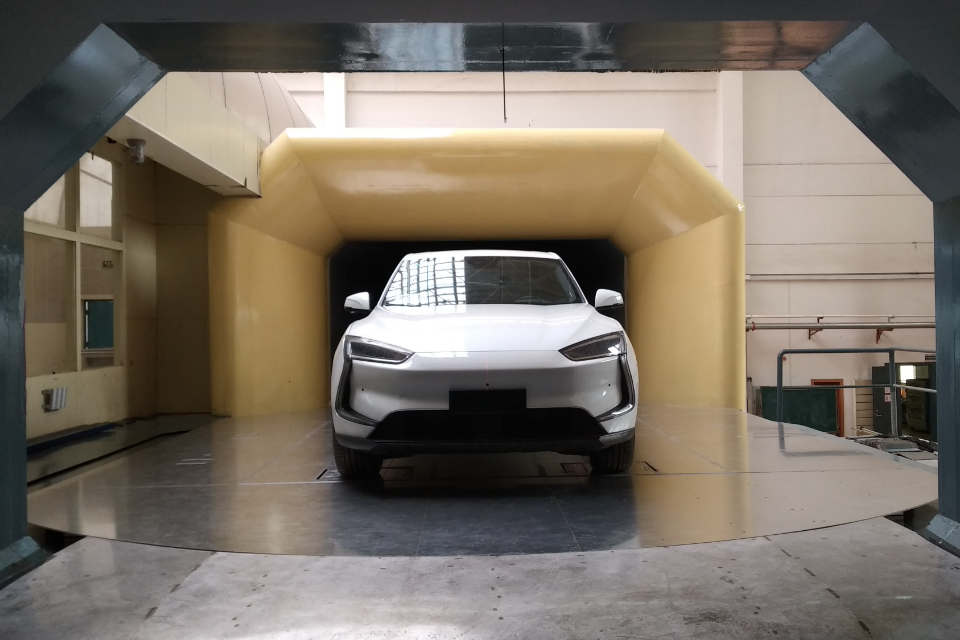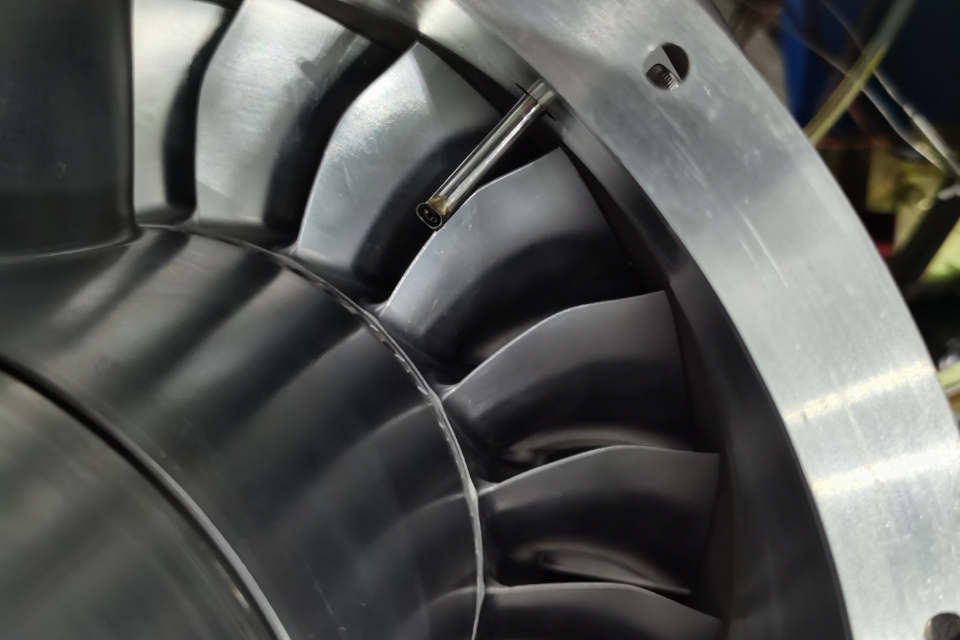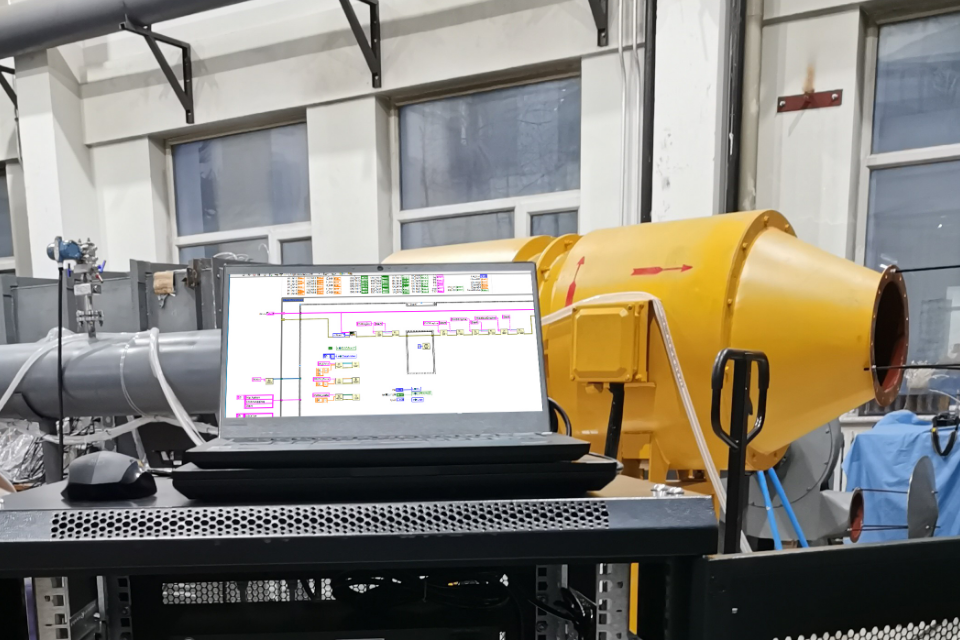

Wind tunnel tests rarely involve just one pressure point. Pressure on a wing surface, in an inlet or cascade, or inside a model may need to be acquired at the same time. Test personnel also need to know which channel produced each reading, which range applies, and whether all readings share the same time base. A pressure scanner brings these separate pressure signals together and converts them into data that can be recorded and compared. Choosing one by channel count alone can overlook the more basic question of how the pressure needs to be measured.
WINDTUNER offers intelligent pressure scanners in standard, differential, and atmospheric-pressure versions. They share some features and a similar form factor, but they are intended for different measurement tasks. Defining the pressure type first, then selecting the range, channel count, and acquisition method, is more useful than comparing a single specification in isolation.
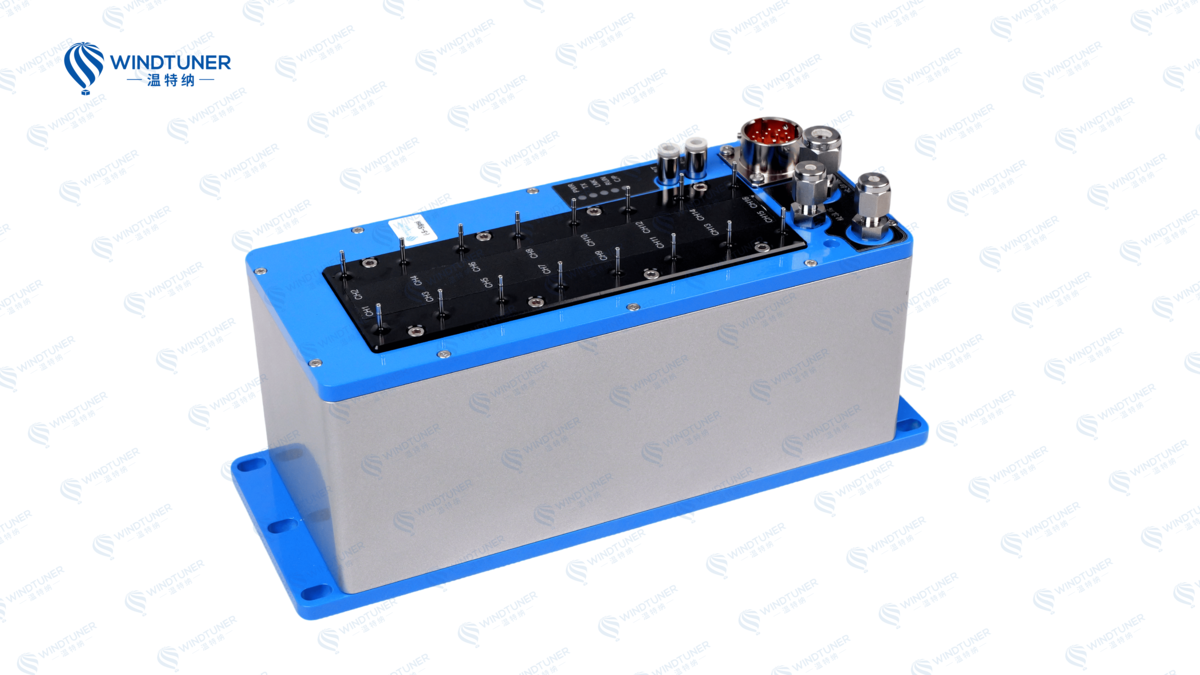
WINDTUNER offers intelligent pressure scanners in standard, differential, and atmospheric-pressure versions. They share some features and a similar form factor, but they are intended for different measurement tasks. Defining the pressure type first, then selecting the range, channel count, and acquisition method, is more useful than comparing a single specification in isolation.
Start with What You Need to Measure
The standard model is designed for multipoint pressure acquisition. It integrates multiple independent pressure-sensor modules and can be used in aero-engine test stands, engine test cells, and aircraft wind tunnel tests. For surface-pressure measurements or synchronized recording from several pressure lines, test personnel usually need to track how each point changes relative to a defined reference pressure. The standard model is a practical starting point for this type of work.
The differential model measures the pressure difference between a high-pressure port and a low-pressure port. It is suited to tests that compare pressure at two locations directly, including complex-flow studies, engine performance tests, and certain wind tunnel pressure measurements. Measuring the difference directly avoids the channel-matching and timing problems that can occur when two separate data series are subtracted later. The high- and low-pressure connections still need to be correct, and the expected differential pressure must remain within the selected range.
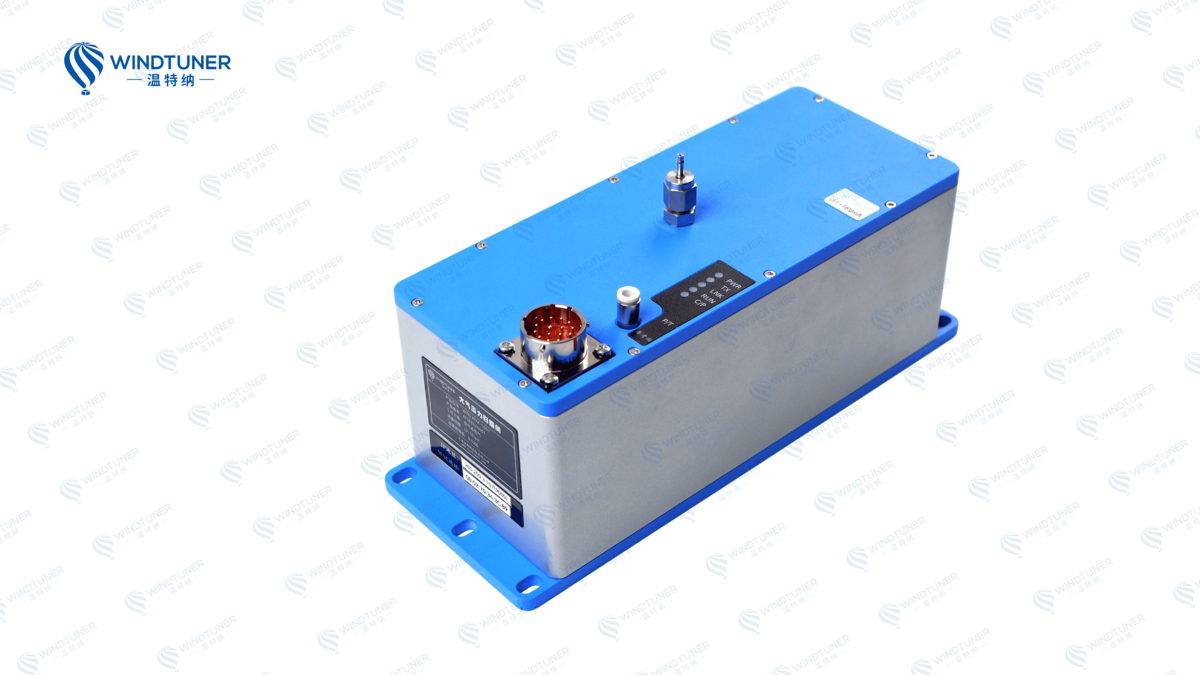
The atmospheric-pressure model is a single-channel instrument for ambient barometric pressure. Atmospheric pressure often serves as a reference for other pressure measurements and may also be needed when test conditions are recorded or corrected. If a project requires continuous ambient-pressure monitoring, or if barometric data needs to be recorded with the rest of the test data, this version is more direct than using a multichannel instrument.
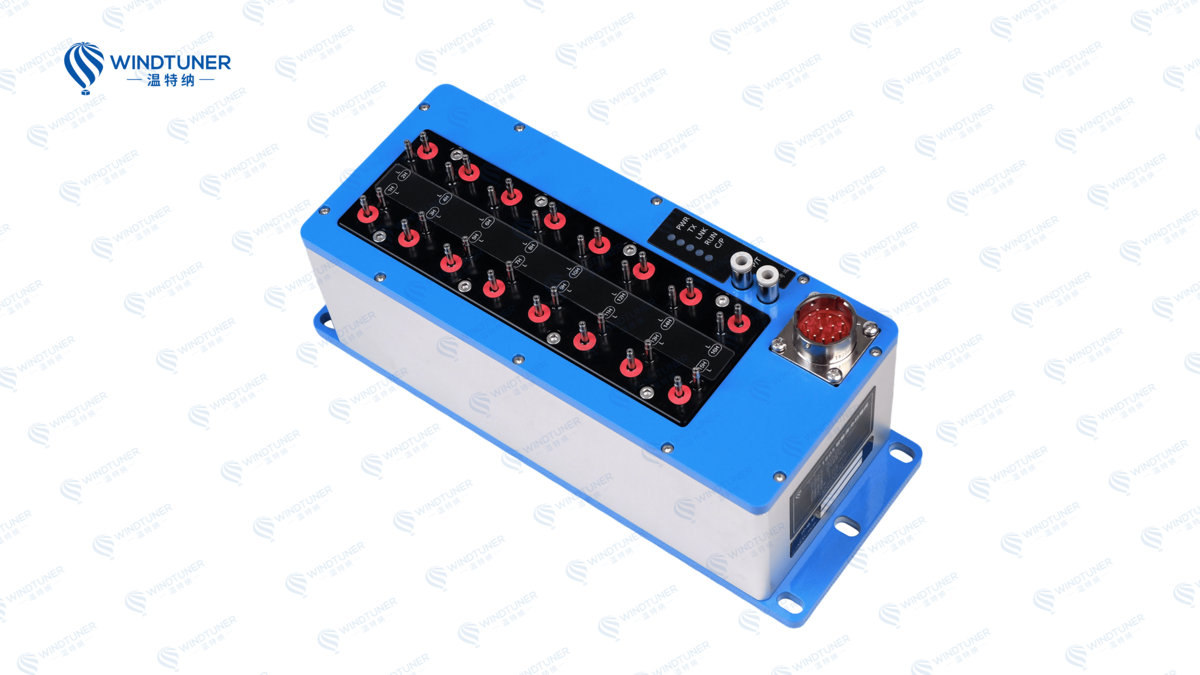
The differential model measures the pressure difference between a high-pressure port and a low-pressure port. It is suited to tests that compare pressure at two locations directly, including complex-flow studies, engine performance tests, and certain wind tunnel pressure measurements. Measuring the difference directly avoids the channel-matching and timing problems that can occur when two separate data series are subtracted later. The high- and low-pressure connections still need to be correct, and the expected differential pressure must remain within the selected range.
The atmospheric-pressure model is a single-channel instrument for ambient barometric pressure. Atmospheric pressure often serves as a reference for other pressure measurements and may also be needed when test conditions are recorded or corrected. If a project requires continuous ambient-pressure monitoring, or if barometric data needs to be recorded with the rest of the test data, this version is more direct than using a multichannel instrument.
Match the Channels, Range, and Acquisition Method to the Test
WINDTUNER standard and differential models each have 16 channels, while the atmospheric-pressure model has one. More channels are not automatically better. The decision should reflect which points must be synchronized, how the pressure lines will be routed, and whether more points may be added later. When several scanners are used together, device IDs, channel lists, and timing information should be planned before the test so the source of each dataset does not have to be reconstructed after export.
Range selection also needs a sensible margin. A range that is too narrow may not cover pressure fluctuations during the test, while one that is unnecessarily wide can make small changes harder to resolve. WINDTUNER pressure scanners are available with customized ranges, allowing the selection to reflect the expected pressure, possible peaks, and the project safety margin. All three versions have an accuracy class of 0.05 and support real-time acquisition control and timestamped output. The standard and differential versions also support IEEE 1588 V2-2008 Precision Time Protocol for tests that require a common time base across multiple devices.
Range selection also needs a sensible margin. A range that is too narrow may not cover pressure fluctuations during the test, while one that is unnecessarily wide can make small changes harder to resolve. WINDTUNER pressure scanners are available with customized ranges, allowing the selection to reflect the expected pressure, possible peaks, and the project safety margin. All three versions have an accuracy class of 0.05 and support real-time acquisition control and timestamped output. The standard and differential versions also support IEEE 1588 V2-2008 Precision Time Protocol for tests that require a common time base across multiple devices.
Software and Calibration Affect Day-to-Day Use
After the pressure lines and communications are connected, the scanner still needs channel settings, acquisition parameters, data display, and file storage. WINDTUNER instruments can work with WindLabX measurement and control software, which reduces the need to move between separate tools. Hardware and software can also be adapted when a project calls for a particular operating screen, acquisition sequence, or output format.
Calibration records determine how the resulting data can be interpreted. Before a test, users should confirm the range, calibration status, pressure connections, and reference-port arrangement. Channel configurations and raw records should be retained after the test. WINDTUNER provides factory calibration and annual recalibration services so the instrument range and calibration basis remain clear.
The right pressure scanner is the one that matches the measurement target, reference pressure, channel count, and data-processing method. The standard model handles multipoint pressure acquisition, the differential model measures the pressure difference between two ports, and the atmospheric model records ambient pressure. Getting that choice right makes the rest of the setup, acquisition, and analysis easier to manage.
Calibration records determine how the resulting data can be interpreted. Before a test, users should confirm the range, calibration status, pressure connections, and reference-port arrangement. Channel configurations and raw records should be retained after the test. WINDTUNER provides factory calibration and annual recalibration services so the instrument range and calibration basis remain clear.
The right pressure scanner is the one that matches the measurement target, reference pressure, channel count, and data-processing method. The standard model handles multipoint pressure acquisition, the differential model measures the pressure difference between two ports, and the atmospheric model records ambient pressure. Getting that choice right makes the rest of the setup, acquisition, and analysis easier to manage.